Impact & Progress Report · 2026

Our impact and progress in 2026

This year our volunteers and local partners put working water systems in place in DR Congo, the Philippines and Cambodia, delivered a water filtration pilot in Papua New Guinea, began funding a new local NGO there, and sponsored five university students from DR Congo. Here is what happened, what each part costs, and what comes next.

Updated September 28, 2026 · Clean Water Help, 501(c)(3), EIN 99-0765687
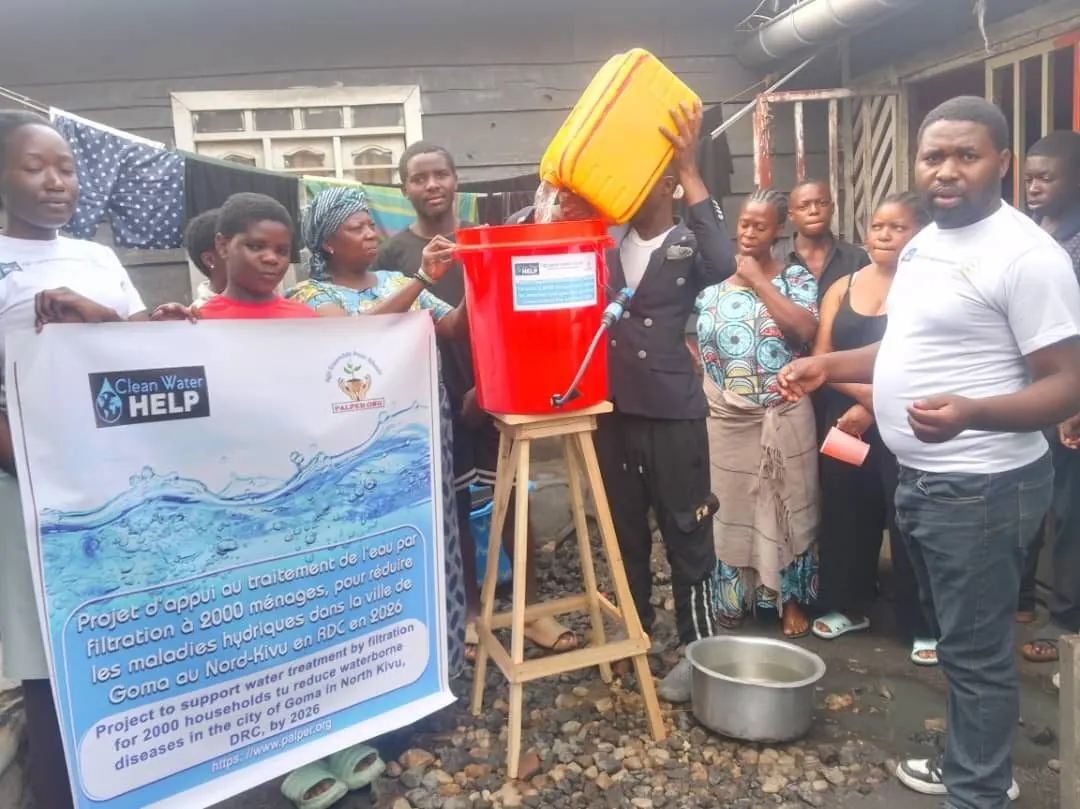
A mother in Goma pours water into a shared filter
DR Congo
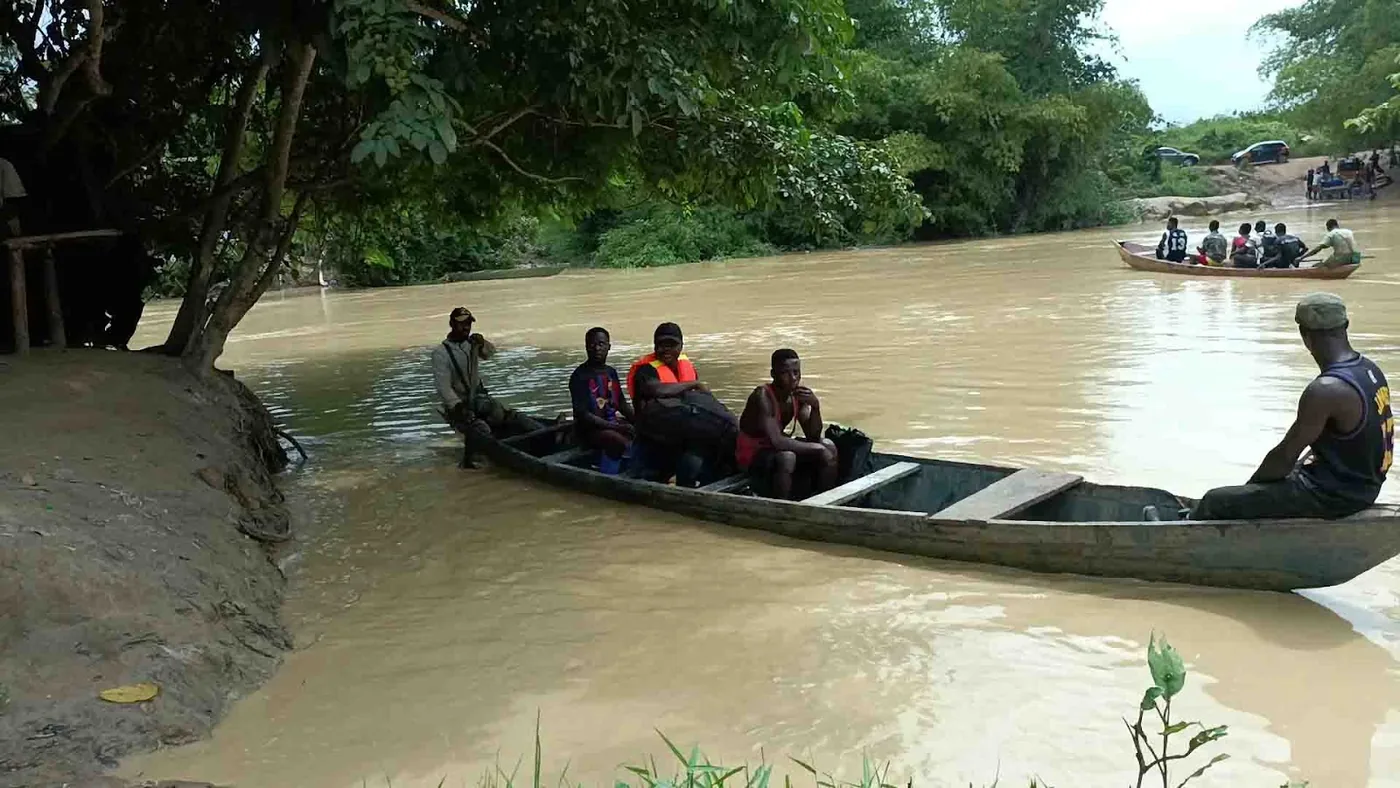
Residents cross a river by canoe in Ghana
Ghana
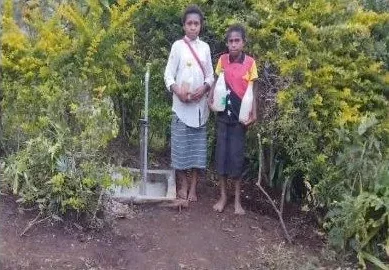
Two girls at a tap stand in the Eastern Highlands
Papua New Guinea
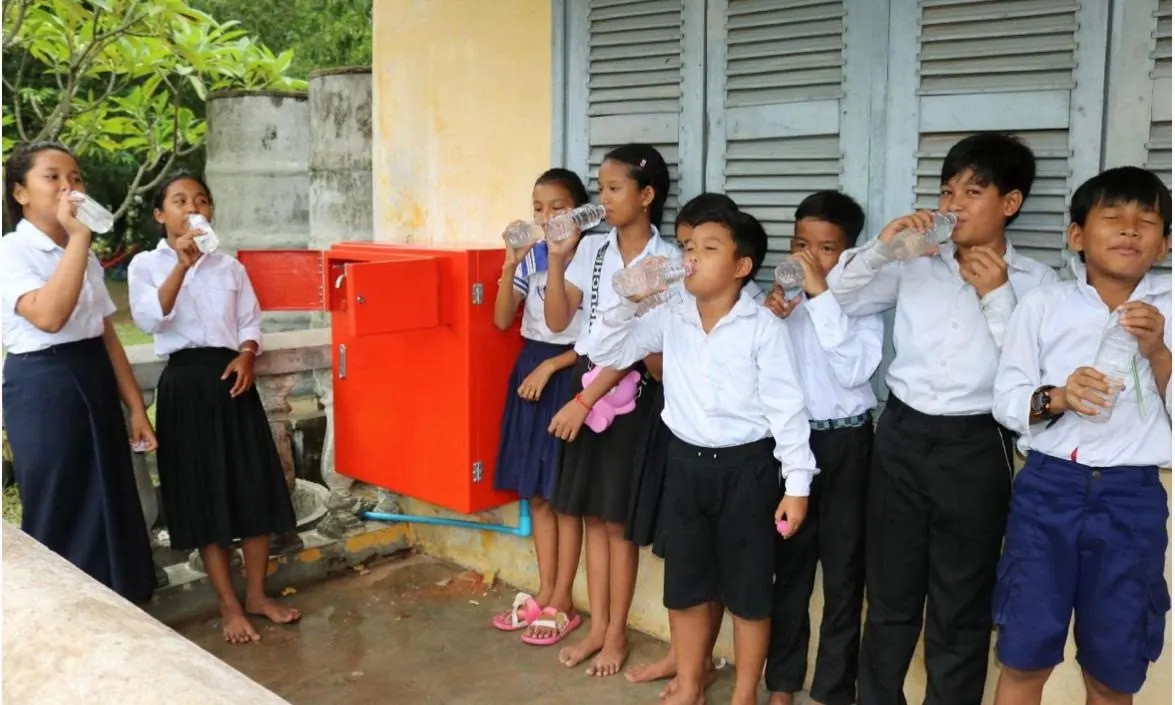
Students drink from their school water system in Kampot
Cambodia
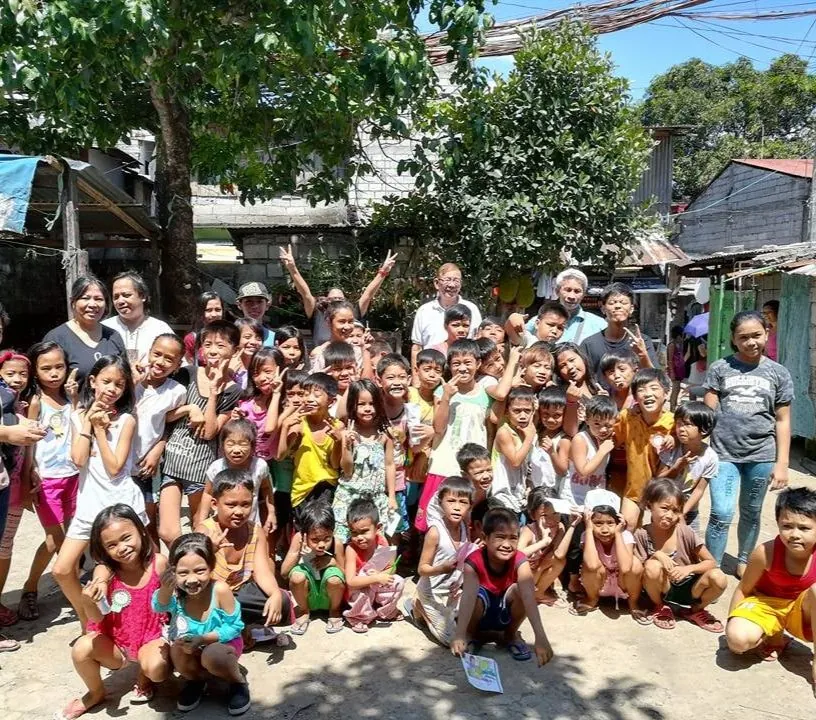
Children at a partner community in the Philippines
Philippines
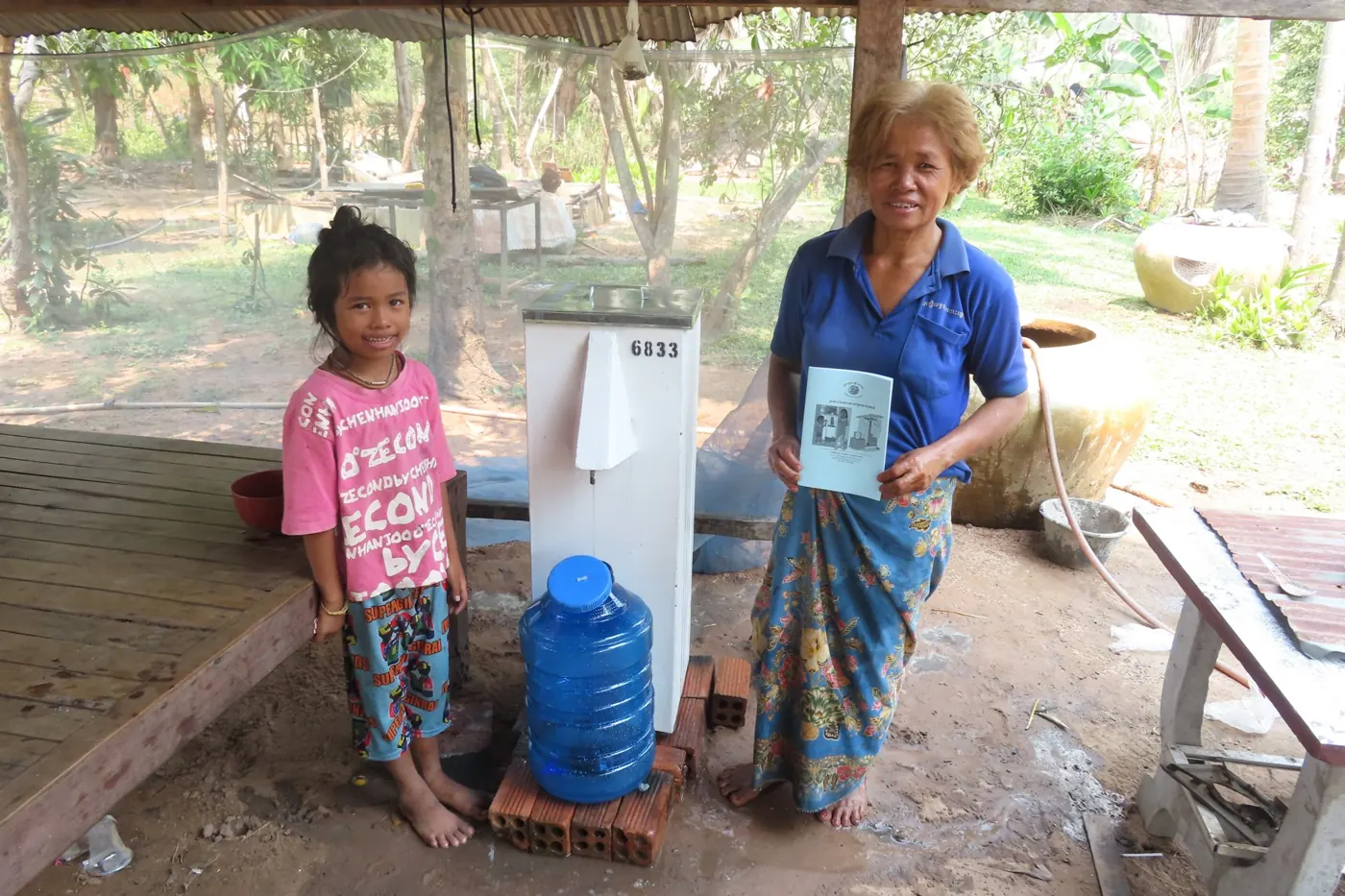
A grandmother and granddaughter with their biosand filter
Siem Reap

What your support made possible

Each number carries a tag that says where it comes from.

~250
people in DR Congo (Goma) drink filtered water from our first 10 shared filters
EstimatePALPER: 50 households
5
students from DR Congo (Goma) sponsored for university; classes begin October 15
RecordSep 2026
100–200
people a day drink safe water from the system we installed with a local church in Mariveles, Philippines
ReportedLocal partners
5
biosand filters funded for farming families near Siem Reap, Cambodia
RecordApr 2026
1
water filtration pilot delivered in Papua New Guinea, where we are also funding the formation of a new local NGO
ReportedSep 2026
30
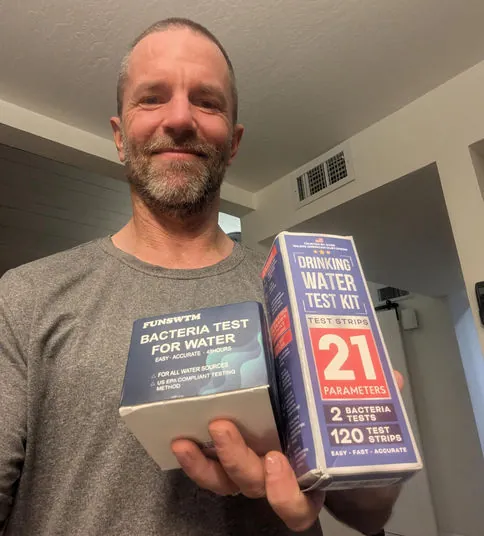
bacteria tests we donated so our partner KCCO can check the finished water at schools in Kampot, Cambodia
RecordAug 2026
3
local government bodies in Ghana approved or support the pilot
RecordAug 2026
15
versions of a cyanide-free gold process for Philippine miners, with an independent technical review
Record2026
6 countries 10 projects 45+ volunteer experts, about 25 with PhDs and 6 professional engineers about 2,500 volunteer hours to date 100% of public donations to projects

This was the year our work reached families directly

Clean Water Help was incorporated in January 2024. In 2026 our work moved from advice to results on the ground.

Our local partners did the hardest part: PALPER in DR Congo, Philip Wayaki Bongi and PNG Safe Water, KCCO and YourAid in Cambodia, Nyankonton Aid Foundation in Ghana, Trailblazer, GOLD, and the church volunteers who run the system in Mariveles. Our volunteers diagnose the water problem, design a practical fix and help find the money.

On sponsoring students

Sponsoring students is such a heartwarming, directly beneficial program. Having read King Leopold’s Ghost recently, I’m really grateful to be able to play a positive role in that region.

Stephen McCord, PhD, PEPresident, Clean Water Help
On the scholarships

It is heartbreaking to read about their struggles. We should fund everything for the top candidates so they can study without distraction or interruption.

Deena Hannoun, PhDVice President, Clean Water Help
On this year

This is the most meaningful thing I have ever been a part of, and it is just the beginning.

Byran Fuhrmann, PhD, MBAExecutive Director, Clean Water Help
On North Kivu

The community in North Kivu Province has welcomed these water filters with great joy. I promise that we will continue to work hand in hand to improve the living conditions of the people we serve.

Martin MashagiroPresident, PALPER, DR Congo
On PNG Safe Water

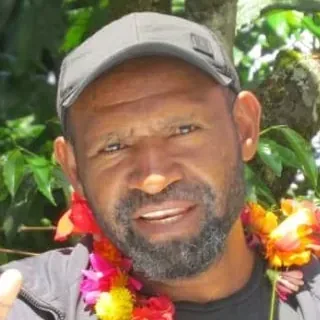
We will make a greater impact in the communities with this new NGO initiative and I am excited to lead that. This is an opportunity I can’t ignore. I am willing to return home soon and start work.

Philip Wayaki BongiExecutive Director, PNG Safe Water, Papua New Guinea

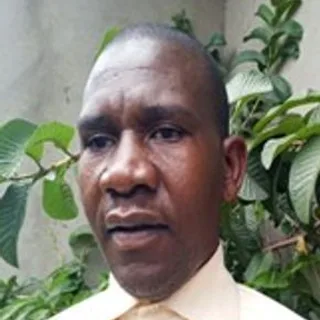
Martin Mashagiro’s photo: PALPER.

Where we worked in 2026

In priority order. Tap any photo to enlarge it, or download the detailed report for each project.

DR Congo (Goma, North Kivu) · with PALPER

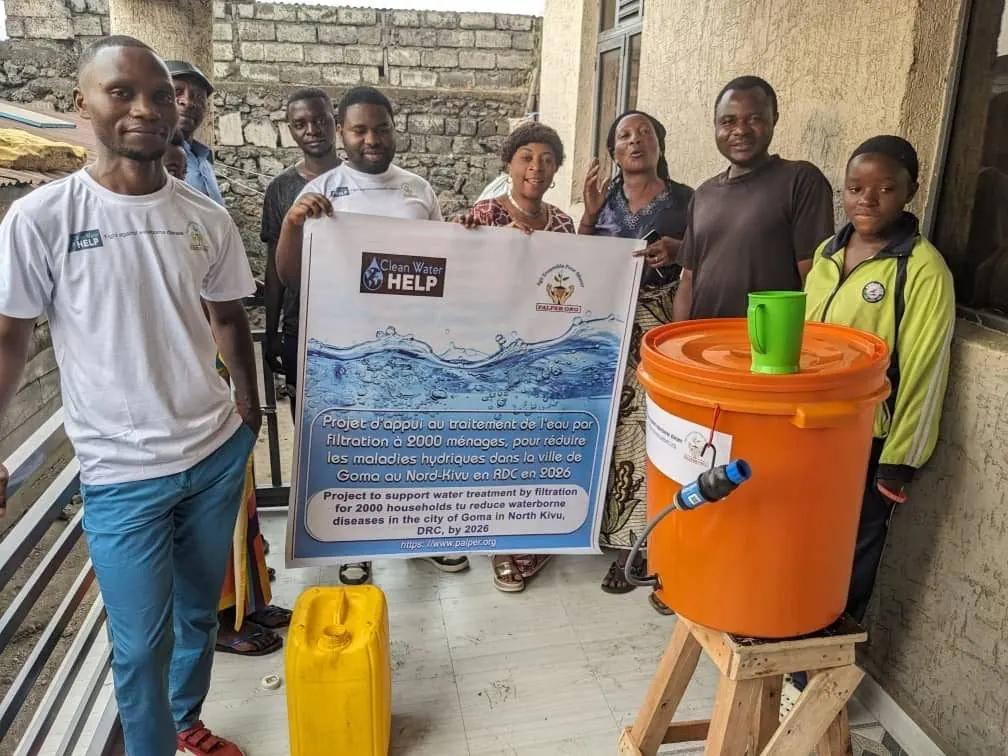
Shared water filters for families in DR Congo

Scaling up to 60 filters
~250
people drinking filtered water from the first 10 filters
Estimate
60
filters when the scale-up is complete
Planned
~1,500
people reached by all 60 filters
Planned

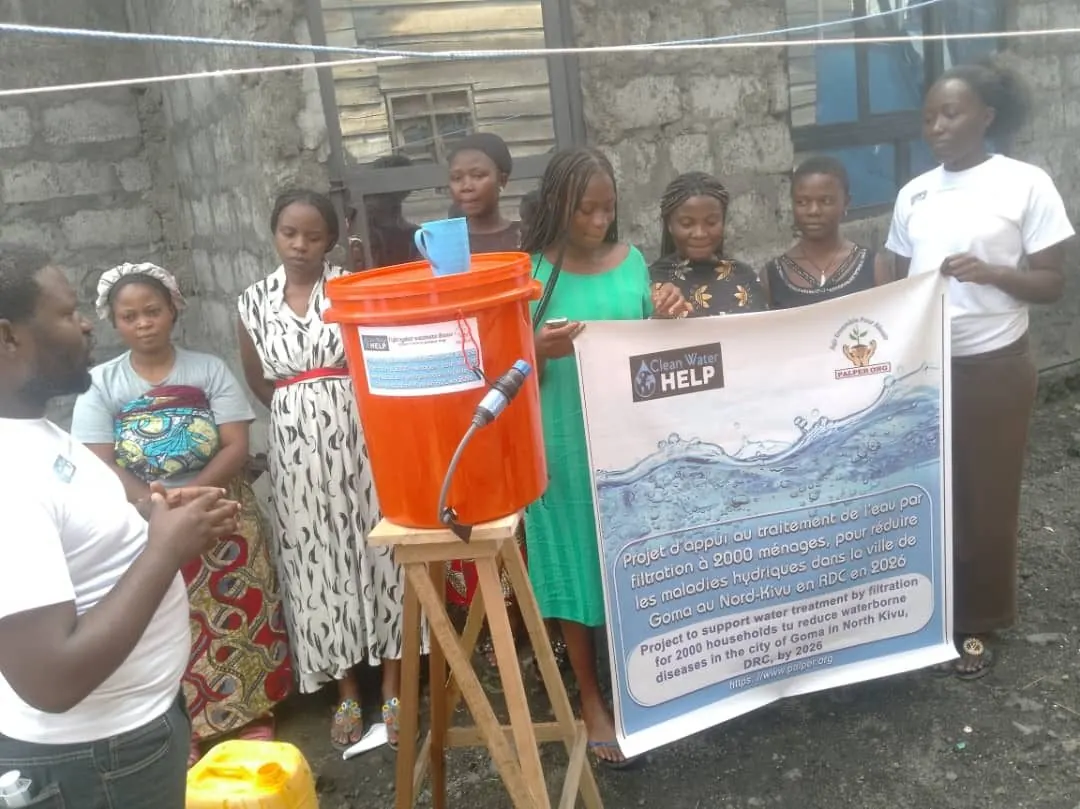
Goma sits in a conflict zone where cholera is a constant risk. It is built on volcanic rock, which makes wells impractical, and many families drink untreated water carried over long distances. Our partner PALPER installed our first 10 gravity filters between June and August 2026. Five households share each filter, so the pilot reaches about 250 people. The filters need no power or chemicals, and families call them chombo ya maajabu, Swahili for “instruments of wonder.”

Residents report fewer stomach illnesses and have asked for more filters. In September we ordered 50 more. The first 10 are paid for and on a truck from Kenya. Each filter costs about $80, all-in, and serves about 25 people for about 5 years: about $3.20 per person, and an estimated cost per life saved of about $1,000.*

“The people can now attest to the benefits of this support through their access to safe drinking water treated with filters.”Martin Mashagiro, President of PALPER, September 2026

What’s next

  • Install filters 11 to 60 as each truckload arrives, reaching about 1,500 people by early 2027.
  • Track every filter: households served, cleaning routine and reported illness.
  • After the filter rollout, bring lake water to families by truck.
  • Find new funders and partners, and write grants in PALPER’s name.

* Estimate, not a measured result. Contaminated drinking water causes about 505,000 diarrheal deaths a year (WHO). We attribute about 450,000 of them to the 703 million people without a basic drinking water service (WHO and UNICEF): about one death a year for every 1,500 people. A filter costs $80 and serves about 25 people for about 5 years, or $0.64 per person per year, and $0.64 × 1,500 ≈ $1,000. The same method gives about $450 for Papua New Guinea and $500 for Cambodia. It assumes families drink the treated water every day. Full method →
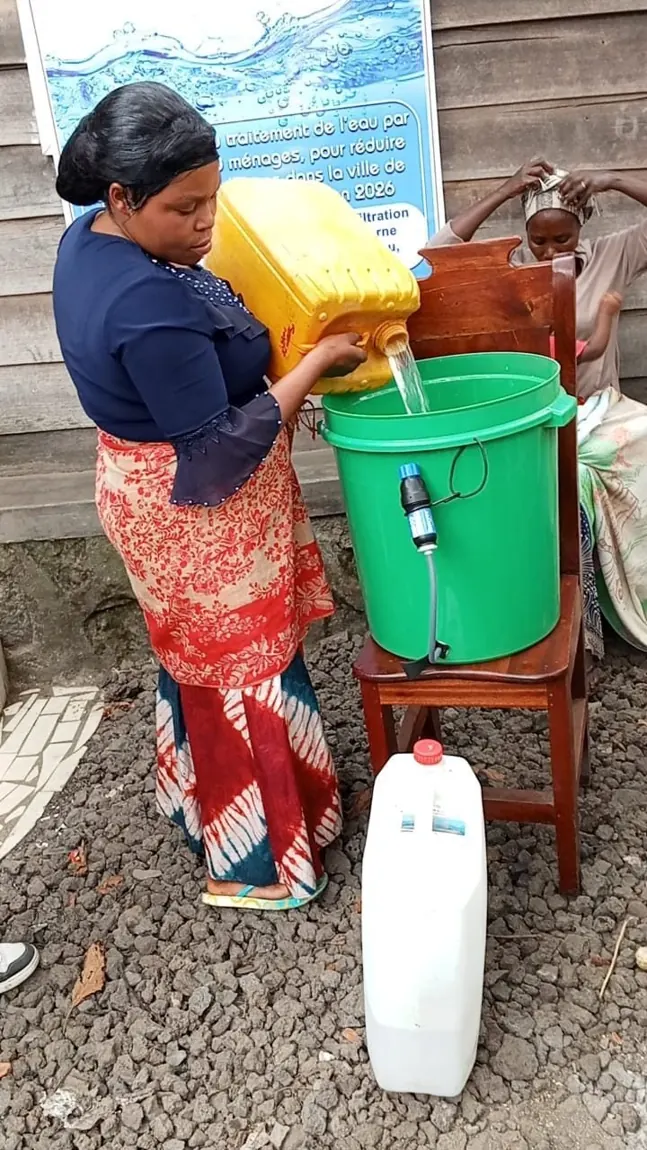
A mother pours water into a shared filter
One shared filter serves about five households
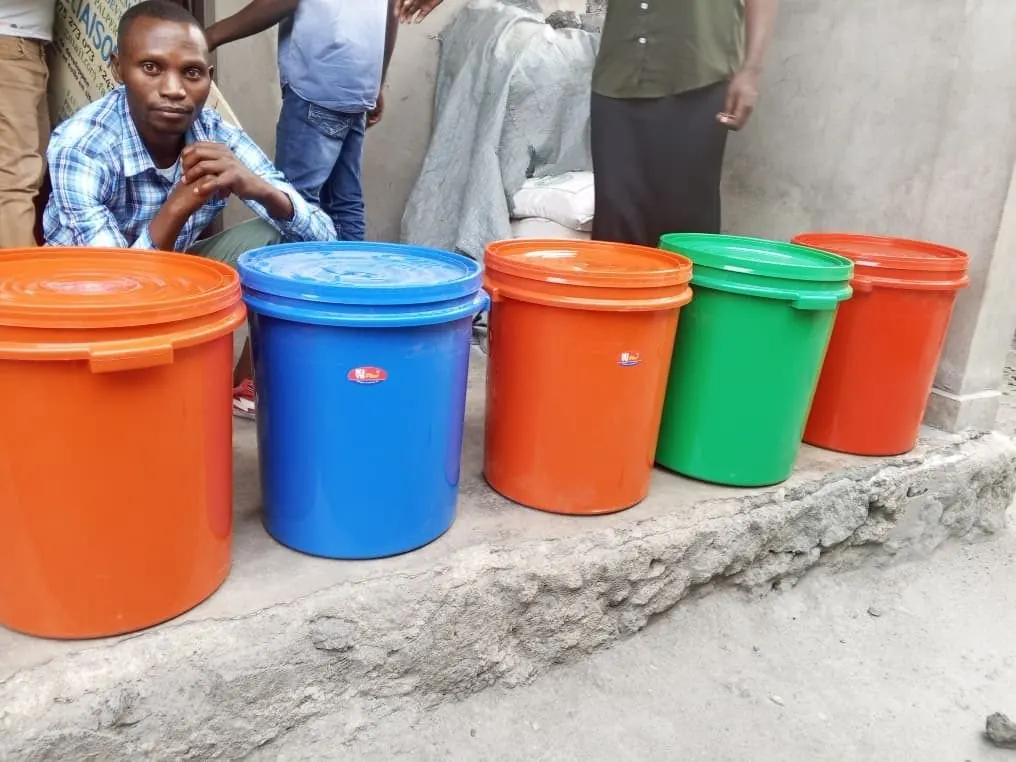
Filter buckets ready for households in Goma
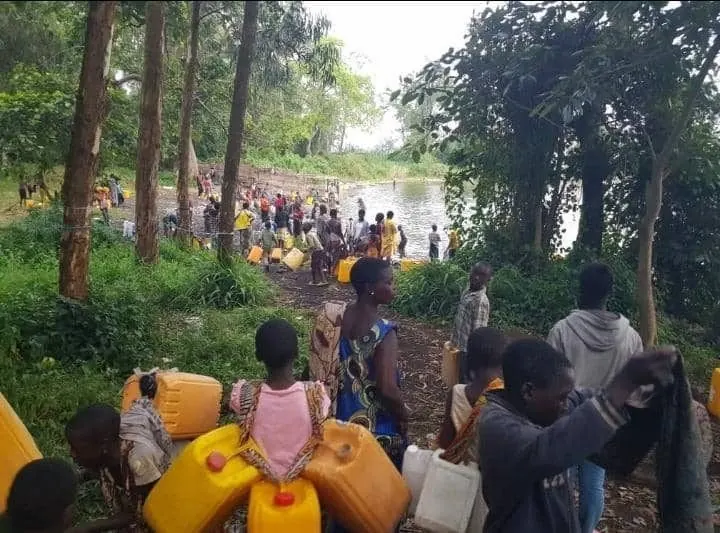
Collecting untreated water in North Kivu
Pouring water into a new filter bucket during installation

Photos: PALPER. Shared with permission.
DR Congo (Goma) · with PALPER and ULPGL

Scholarships for DR Congo Students

All five sponsored · enrollment being finalized
33
students from Goma applied in June
Record
5
scholarships, all fully funded
Record
$1,500
per student per year, stipend included
Record

In June, 33 students from Goma, in eastern DR Congo, applied through PALPER. Volunteer reviewers ranked them and we awarded scholarships in August. When the University of Goma was suspended for the 2026–27 year because of the conflict, we moved the program to ULPGL (Université Libre des Pays des Grands Lacs), a private university in Goma. By September 22, sponsors had covered all five students.

Two will study Civil Engineering (four years) and three Public Health (three years); enrollment is being finalized. The award pays a living stipend as well as tuition and books, because many capable students must work to support their families instead of studying. From 2027, each student will have a CWH volunteer mentor and an internship with PALPER.

Papua New Guinea is next. Philip Wayaki Bongi, whose own donor-paid tuition changed his life, is gathering applications from the Eastern Highlands. We aim to fund five PNG students in 2027.

LareineCivil Engineering
FaustinCivil Engineering
ChantalPublic Health
RuphinPublic Health
BienvenuPublic Health

Shared with each student’s written permission. First names only.

“The PALPER organization and our entire team stand ready to support these students until they achieve success and earn their university degrees.”Martin Mashagiro, President of PALPER, August 2026

What’s next

  • Classes start October 15; first-semester results in January 2027.
  • Collect PNG applications, December 2026 to January 2027.
  • Find sponsors for the later years so every student can finish a degree.
PALPER’s team in Goma, which also runs the scholarships
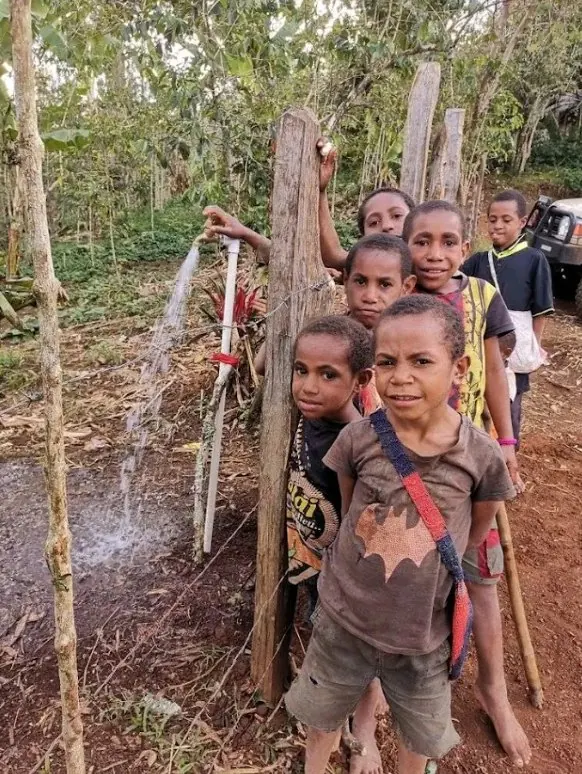
Children at a village tap in the Eastern Highlands, where our next scholarship students will come from
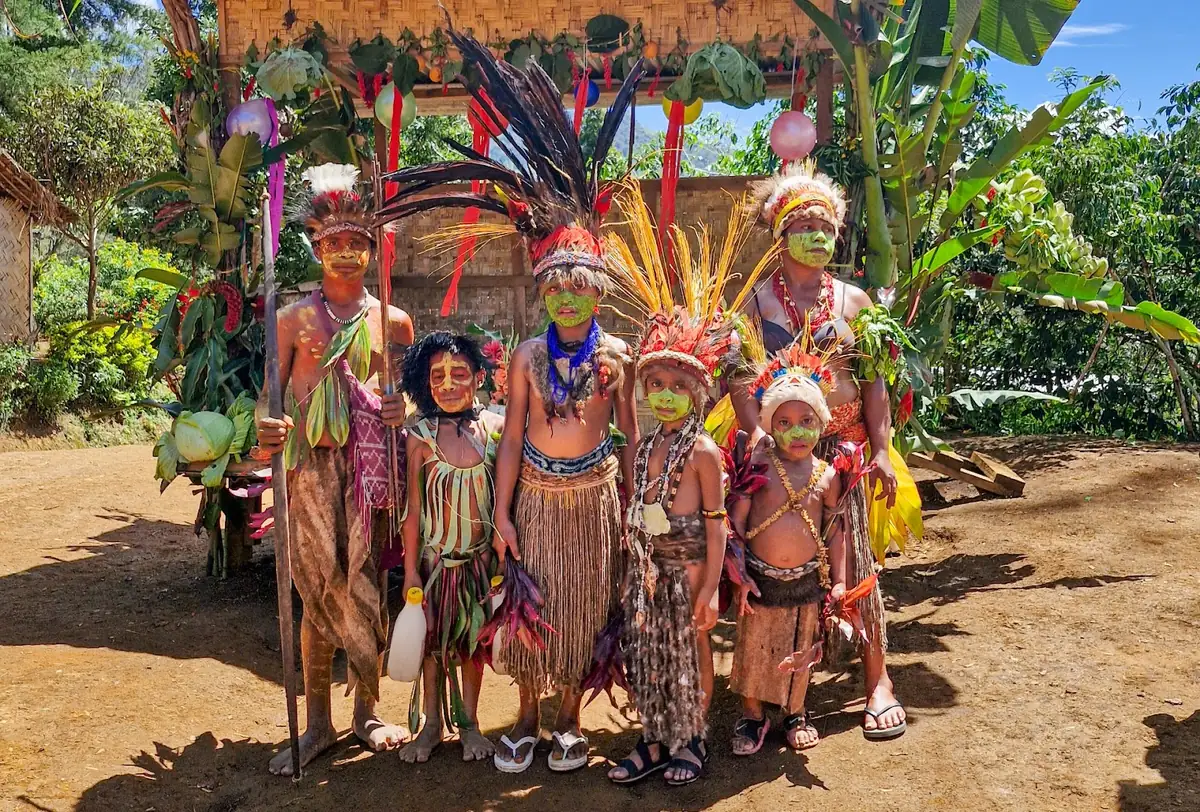
Children of the Eastern Highlands

Photos: PALPER and Philip Wayaki Bongi.

Papua New Guinea · Eastern Highlands · with PNG Safe Water

A filter at the tap for a pipeline the community built

Pilot unit delivered · local NGO forming
3,500+
people on the community’s own gravity pipeline
Reported
1
ultrafiltration pilot unit delivered in September
Reported
4
more systems if the pilot works
Planned

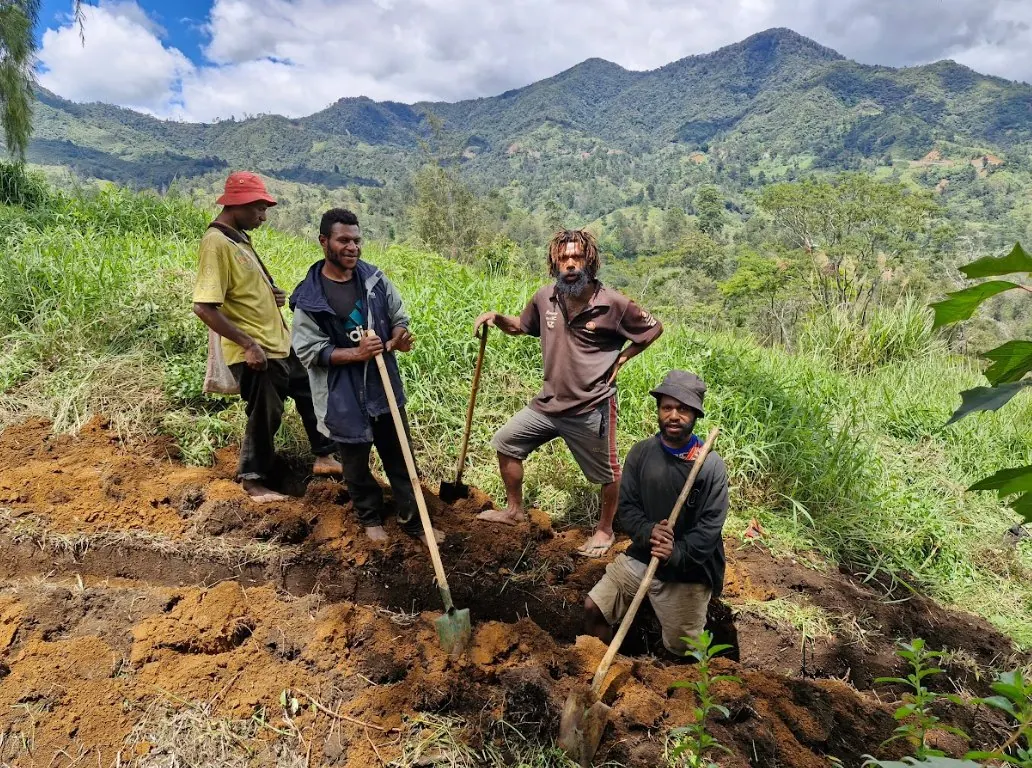
Philip Wayaki Bongi and his community built a gravity pipeline, digging its trenches by hand. Writer Elan Head, whose mother Carey Lafferty knew Philip, told the story and raised the money for its 2025 extension. It now carries mountain water to more than 3,500 people. That is the community’s achievement. What the water still needs is a reliable germ barrier.

The prefilter and gravity ultrafiltration pilot unit was delivered in September 2026, and a plumber is being arranged to install it. It needs no power or chemicals and will be tested through the rainy season, when the water is muddiest. If it works, four more systems follow. If sediment clogs it too often, chlorine added by families at the point of collection is the fallback. We ruled out in-line chlorine and UV for this site.

We are also funding the formation of PNG Safe Water, a new PNG-based nonprofit led by Philip that will own and run the systems. We manage the work until PNG Safe Water governs itself, then step back as a technical advisor, the same model we follow with PALPER and KCCO.

What’s next

  • Install the pilot at a tap stand and test it through the rainy season.
  • Register PNG Safe Water (target January 2027).
  • Raise about $25,000 (estimate) for filtration on the existing line, an extension to about 1,500 more people and a new pipeline for about 3,500 more: about 5,000 more people, 8,500 in all, at an estimated cost per life saved of about $450.
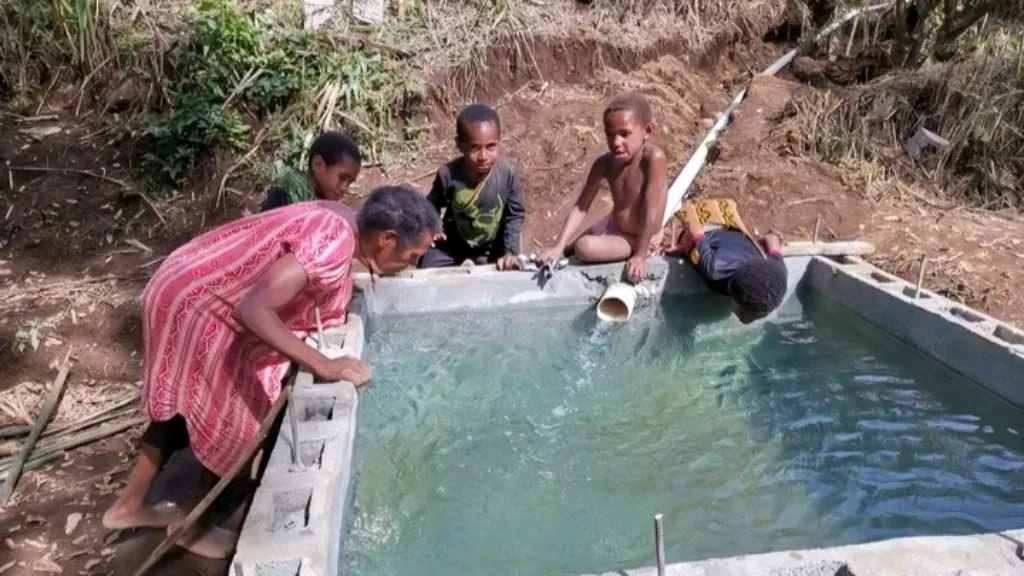
A family at the water tank the community built
Community members dig the pipeline trench by hand
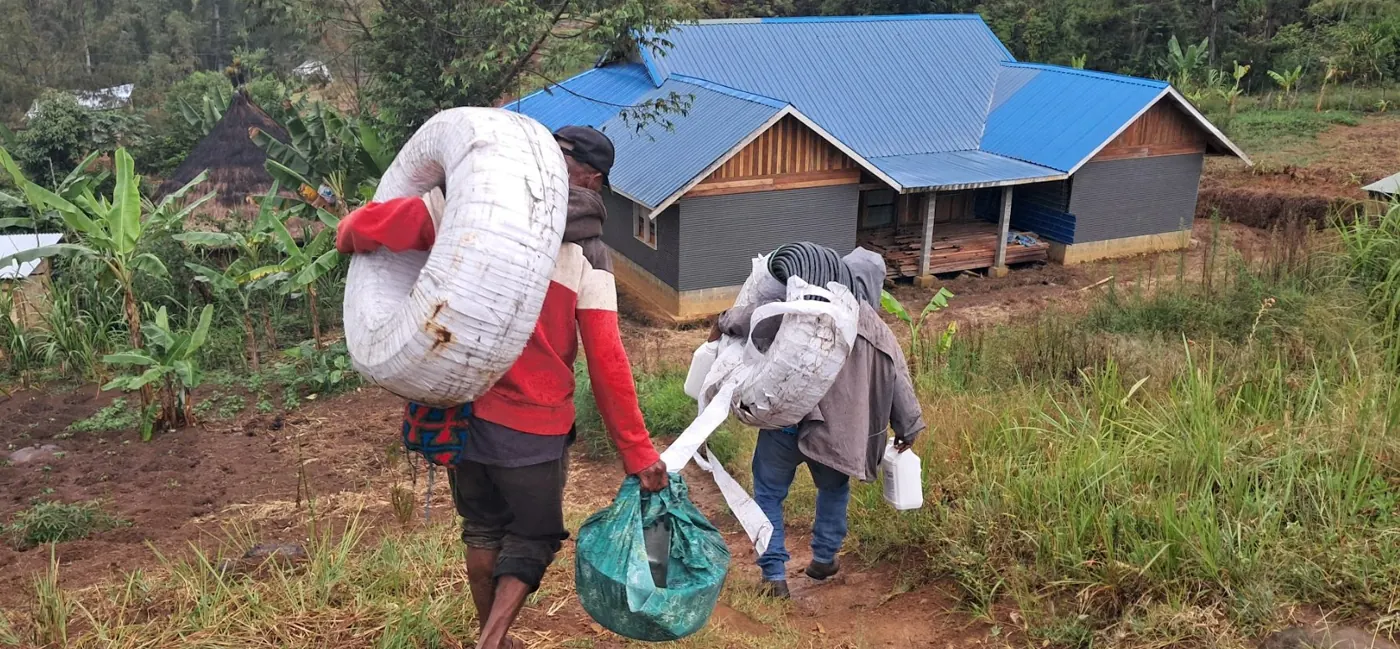
Materials carried up the mountain on foot
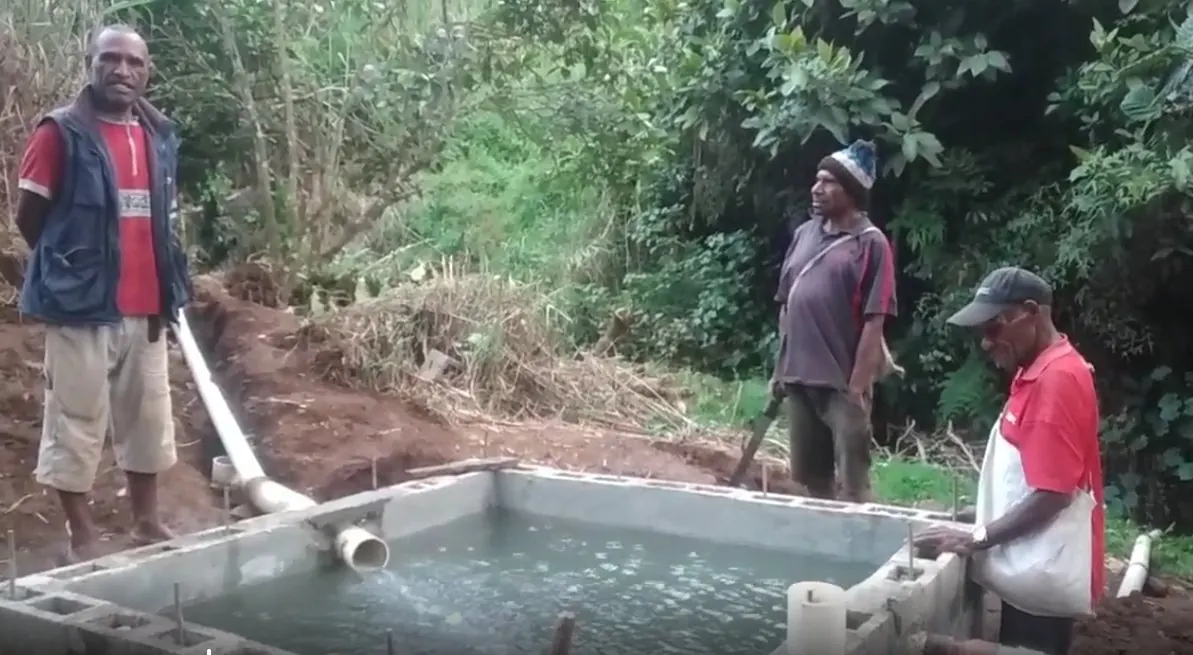
Creek water collects in the concrete catchment
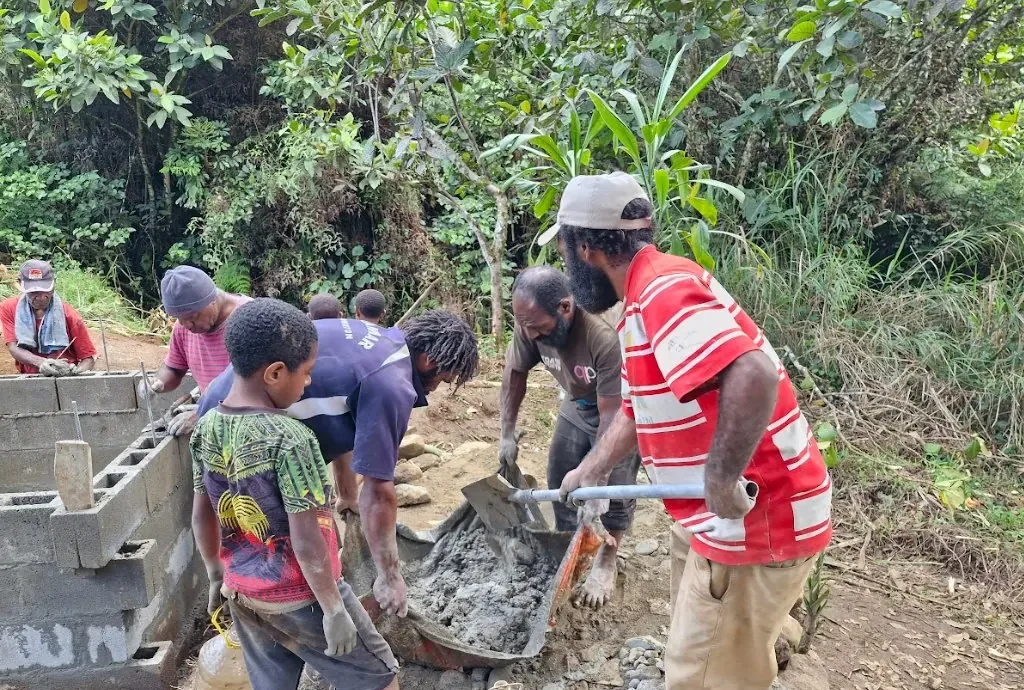
Mixing concrete for the catchment

Photos: Philip Wayaki Bongi and the community. Shared with permission.

Philippines · Benguet · with AppelGlobal
Taking the cyanide out of small-scale gold

Two-week pilot in early 2027
500+
Philippine mines our partner helped move off mercury
Reported
15
versions of the design, with an independent technical review
Record
2 weeks
side-by-side pilot against cyanide, early 2027
Planned

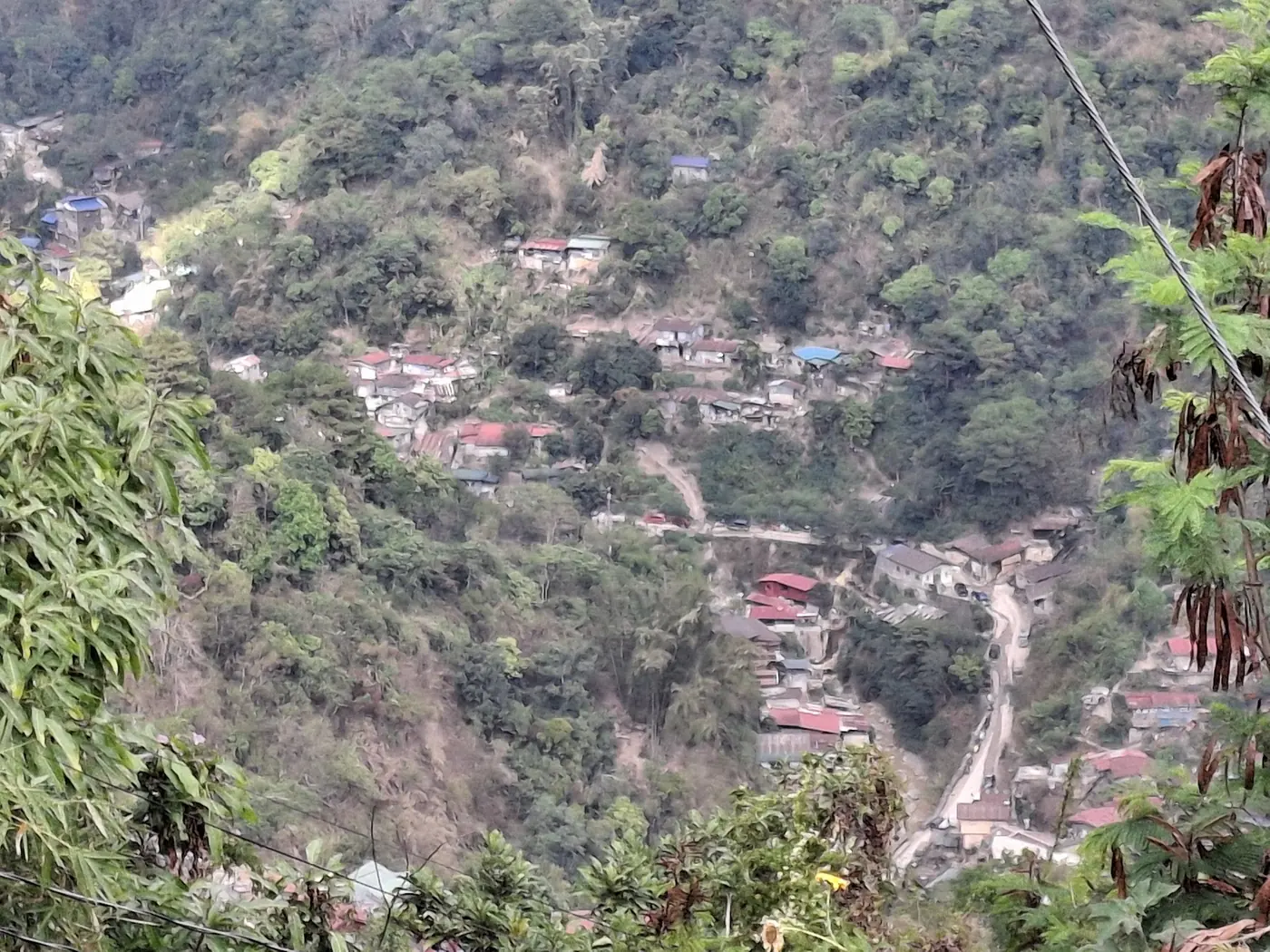
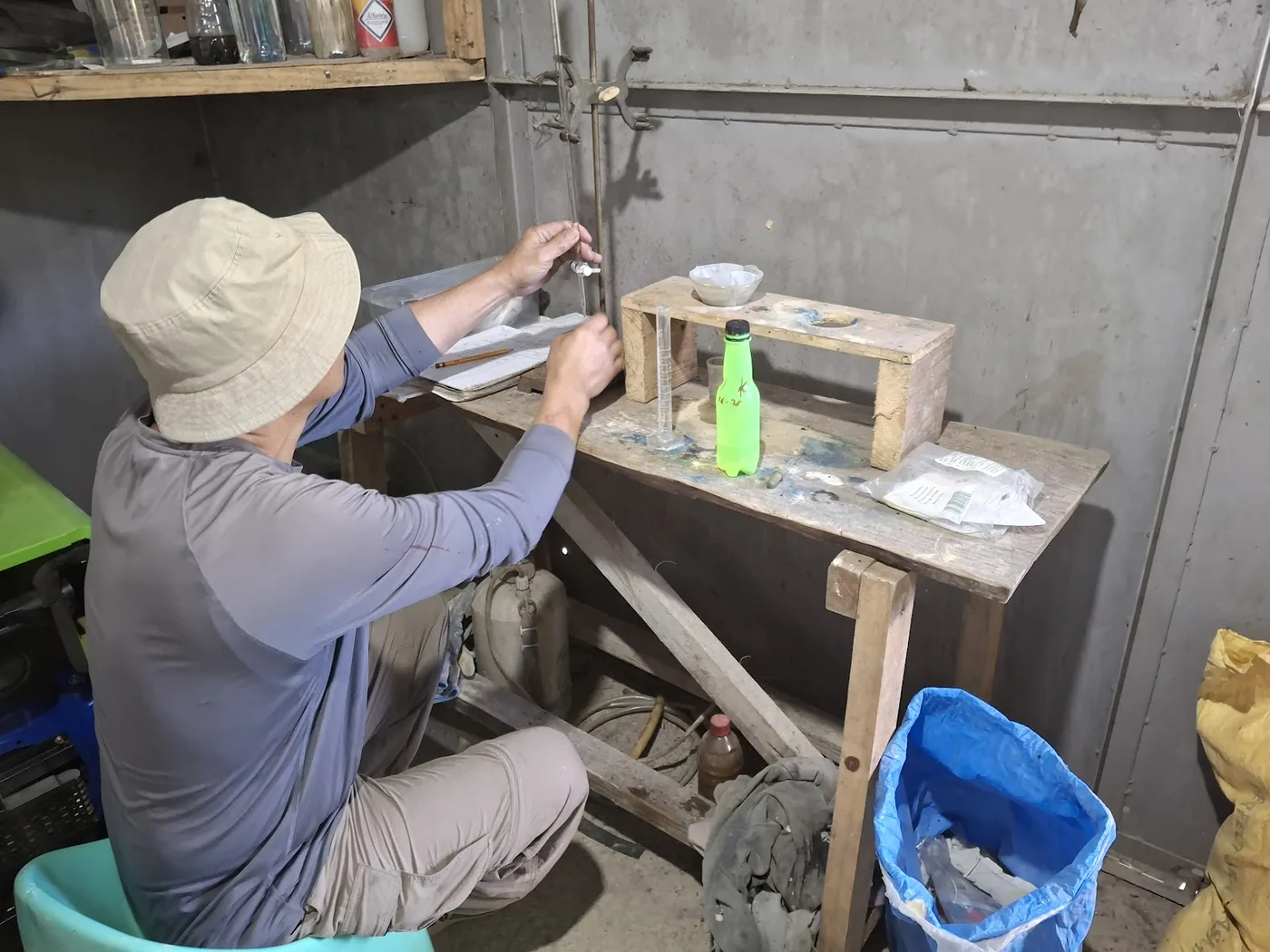
Around Baguio, small-scale miners already recover much of their gold with gravity methods instead of mercury. Our partner AppelGlobal has helped more than 500 Philippine mines make that switch. Cyanide is still used for the gold locked in copper-rich ore. Our chemists designed a process that uses thiosulfate in that second step instead of cyanide.

We are now securing the licenses and chemicals. In early 2027 the process will run for two weeks at full scale, side by side with the normal cyanide process. The work has the support of local government and the local small-scale mining association. If the results are promising, the plan is to invite local universities to help optimize the method.

What decides success: miners adopt what pays. The pilot compares gold recovery, time and cost directly against cyanide.

A mining town built into the mountainside
Small-scale gold processing at a workbench
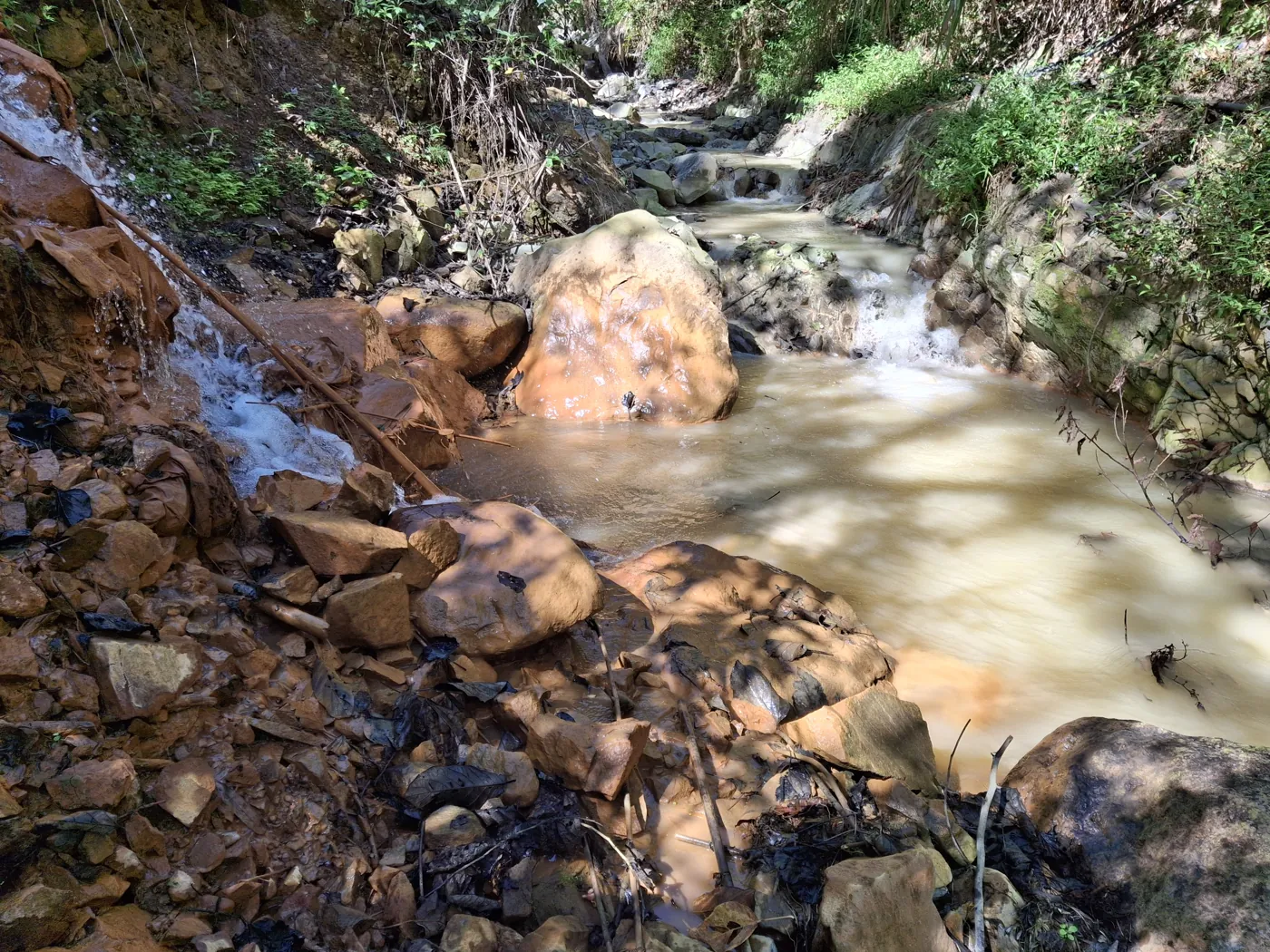
Mine drainage in a mountain stream

Photos: Clean Water Help site visit, February 2026.

Philippines · nationwide

Keeping drinking water flowing after typhoons and earthquakes

Prototype live
46.2%
of Philippine households drink refilling-station water
Census
539
past typhoons the app can replay
Record
Free
and open source for Philippine agencies
Record

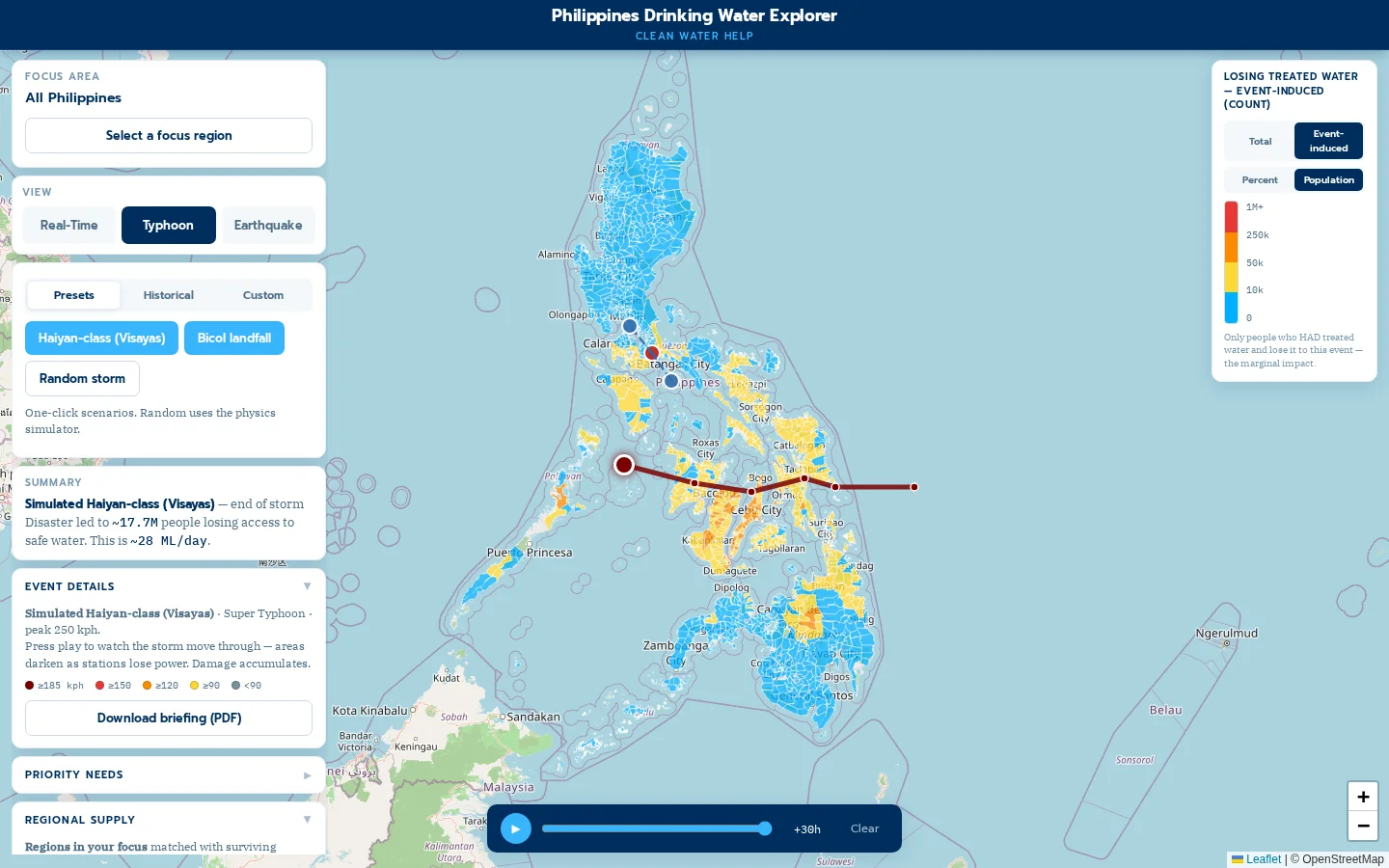
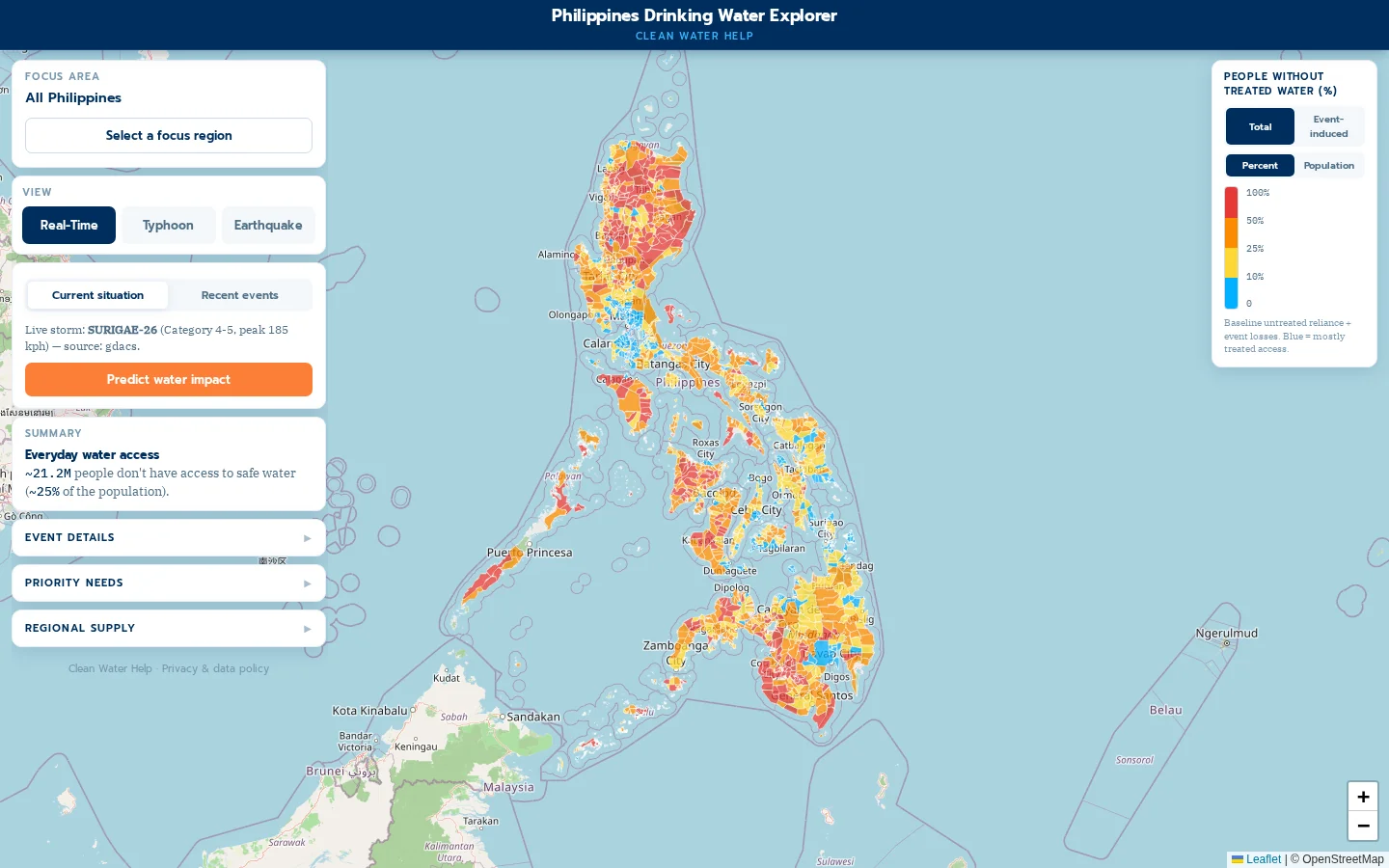
Nearly half of Philippine households get their drinking water from small refilling stations. After a typhoon or earthquake, many of those stations stop working, and emergency agencies cannot see which ones will fail or which are still running.

Our free prototype app estimates which stations are likely to go down and points agencies to nearby stations that can keep supplying water. The goal is that agencies get water faster, station owners earn income during the emergency, and communities recover sooner. The prototype is live. Its numbers are estimates until we test it with the people who would use it.

What’s next

  • Interview refilling-station owners and local disaster offices.
  • Run a tabletop exercise using a past storm.
  • Agree a 2027 pilot with one local government.
A simulated Haiyan-class typhoon crossing the Visayas
Everyday access: where people rely on untreated water

Screenshots from the live prototype. Model outputs are estimates and are not yet calibrated.

Cambodia · Kampot · with KCCO and YourAid
Safe water for rural schools

Program audit in December
300+
school systems installed by our partners since 2020
Reported
~60
new schools a year at about $700 each
Reported
200–300
students aged 5 to 13 at each school
Reported

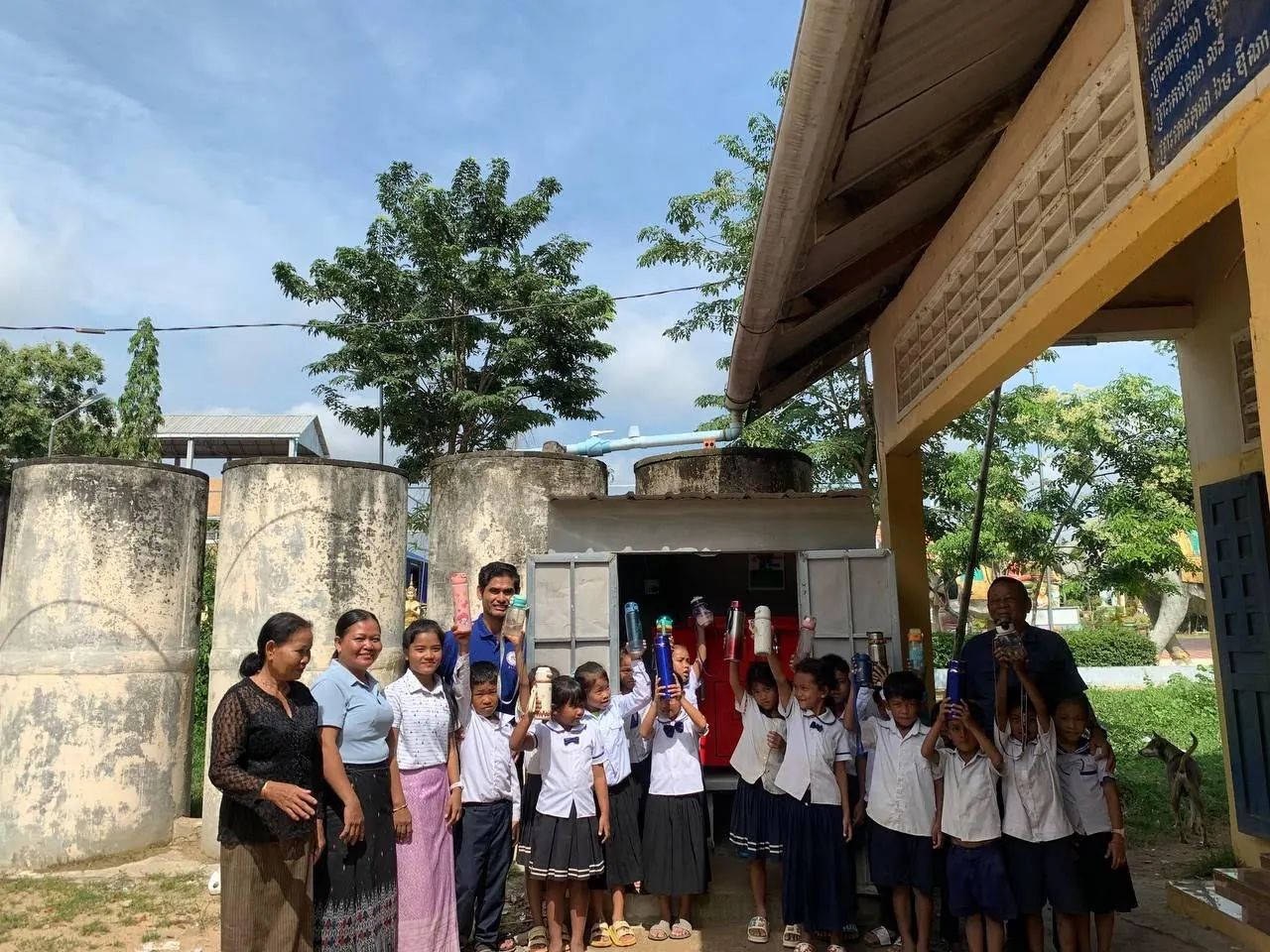
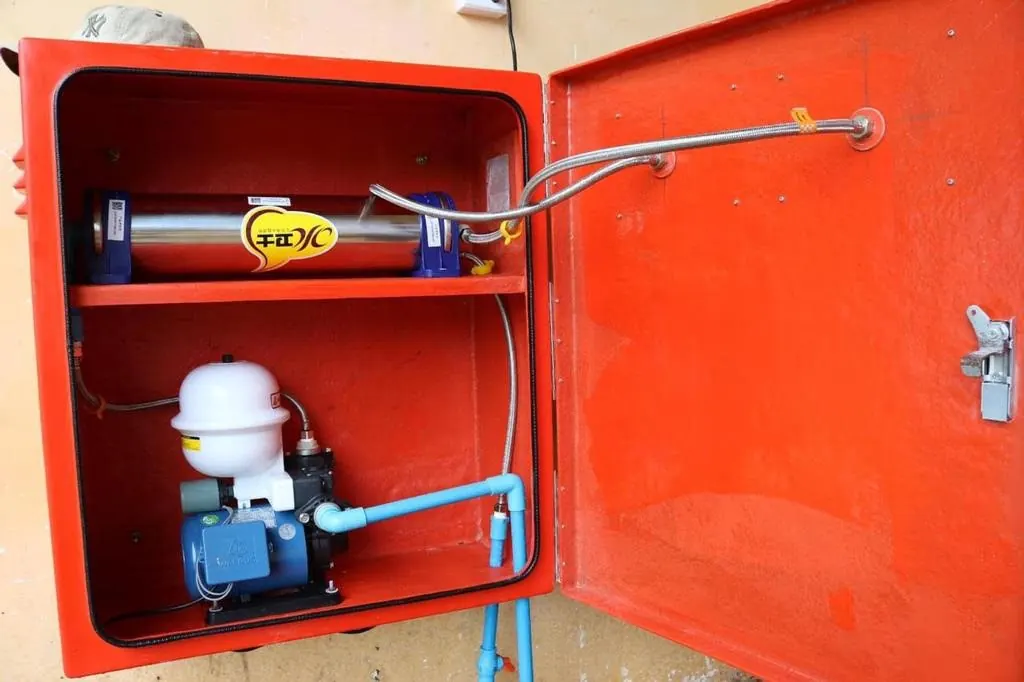
KCCO, funded by YourAid, runs the school water program in Kampot Province. Our role is technical: protecting the source water so the filters last longer, and testing the finished water for pathogens. Byran Fuhrmann visited the schools in May 2026. In August, KCCO ran the first bacteria tests with kits we donated: treated water tested negative for bacteria and untreated tank water tested positive. Each school system costs about $700, for an estimated cost per life saved of about $500.

From December 4 to 15, we return to audit the program, including how the systems handle pond water in the dry season, when rainwater runs out. We will also share ideas on hygiene education, grants, and partners for deep wells and pipelines, so the program can reach more children.

What’s next

  • Test water at 10 to 15 schools in December, including schools that use pond water.
  • Recommend practical fixes for dry-season treatment, such as washable prefilters.
  • Deliver an audit report with funding ideas early in 2027.
Students drink from their school’s new system
A school community gathers beside its water system
Inside the unit: pump and ultrafiltration membrane

Photos: ISZA and YourAid. Shared with permission.

Ghana · Ashanti Region · with Nyankonton Aid Foundation
Cleaner water for communities hit by galamsey

Approved at the district level
3
local government bodies approved or support the pilot
Record
4
filter materials communities can source locally
Planned
1–2
pilot communities to start, chosen with the districts
Planned

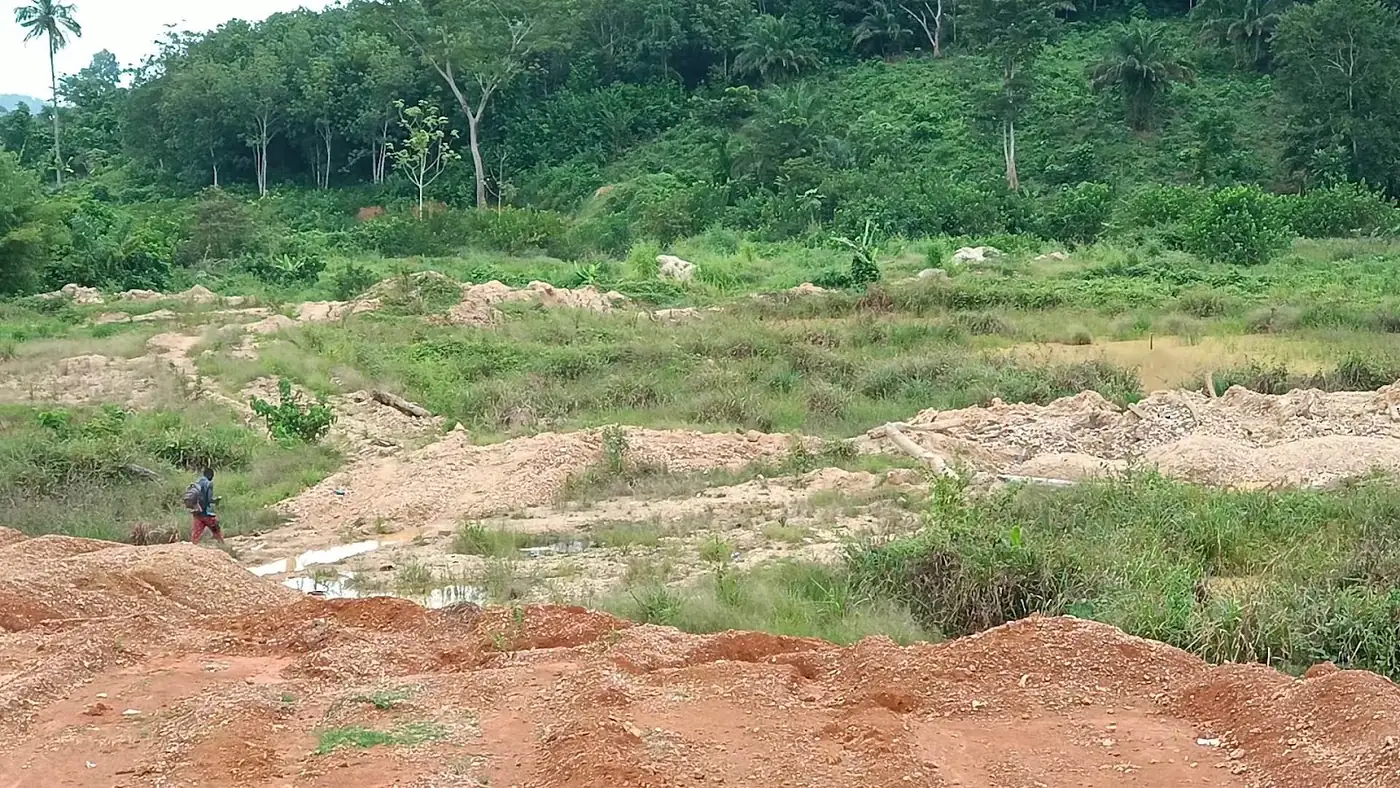
Galamsey, small-scale gold mining that is often unregulated, has clouded rivers in Ghana’s Ashanti Region and released mercury and other metals. With Nyankonton Aid Foundation, we are developing filters that communities can build themselves from biochar made from uncontaminated local plants, sand, scrap iron filings and bone char.

With AppelGlobal, we plan to teach legitimate small-scale miners about the dangers of mercury and show them gravity methods, such as sluicing and panning, that recover gold without it. In August 2026 the project received district-level approval.

What’s next

  • Hold an inception meeting and sign an agreement with the districts.
  • Test water and fish in one or two pilot communities.
  • Build and lab-test the first community filters.
Land scarred and flooded by gold mining
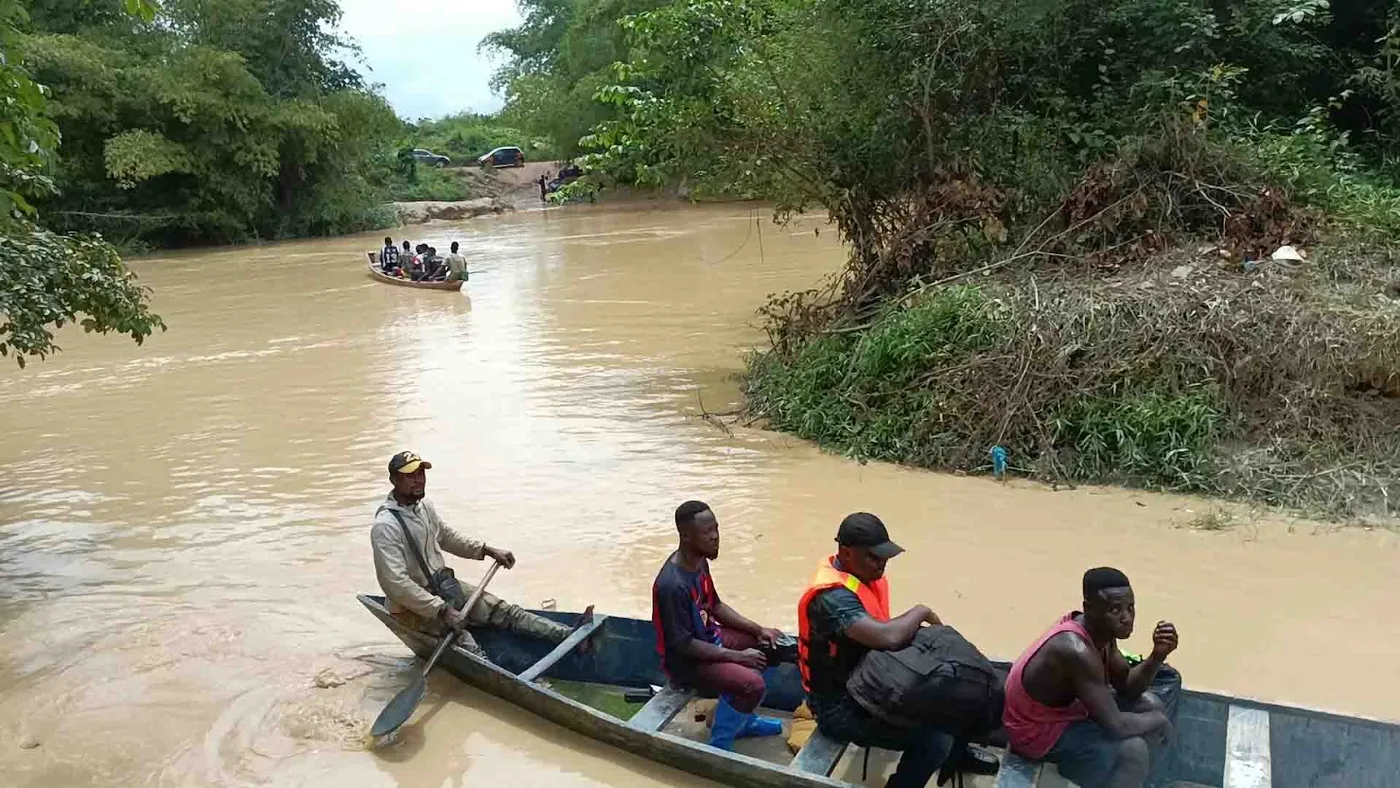
Residents cross a river by canoe
Canoes on a river clouded by mining sediment

Photos: Nyankonton Aid Foundation.

Philippines · Mariveles, Bataan

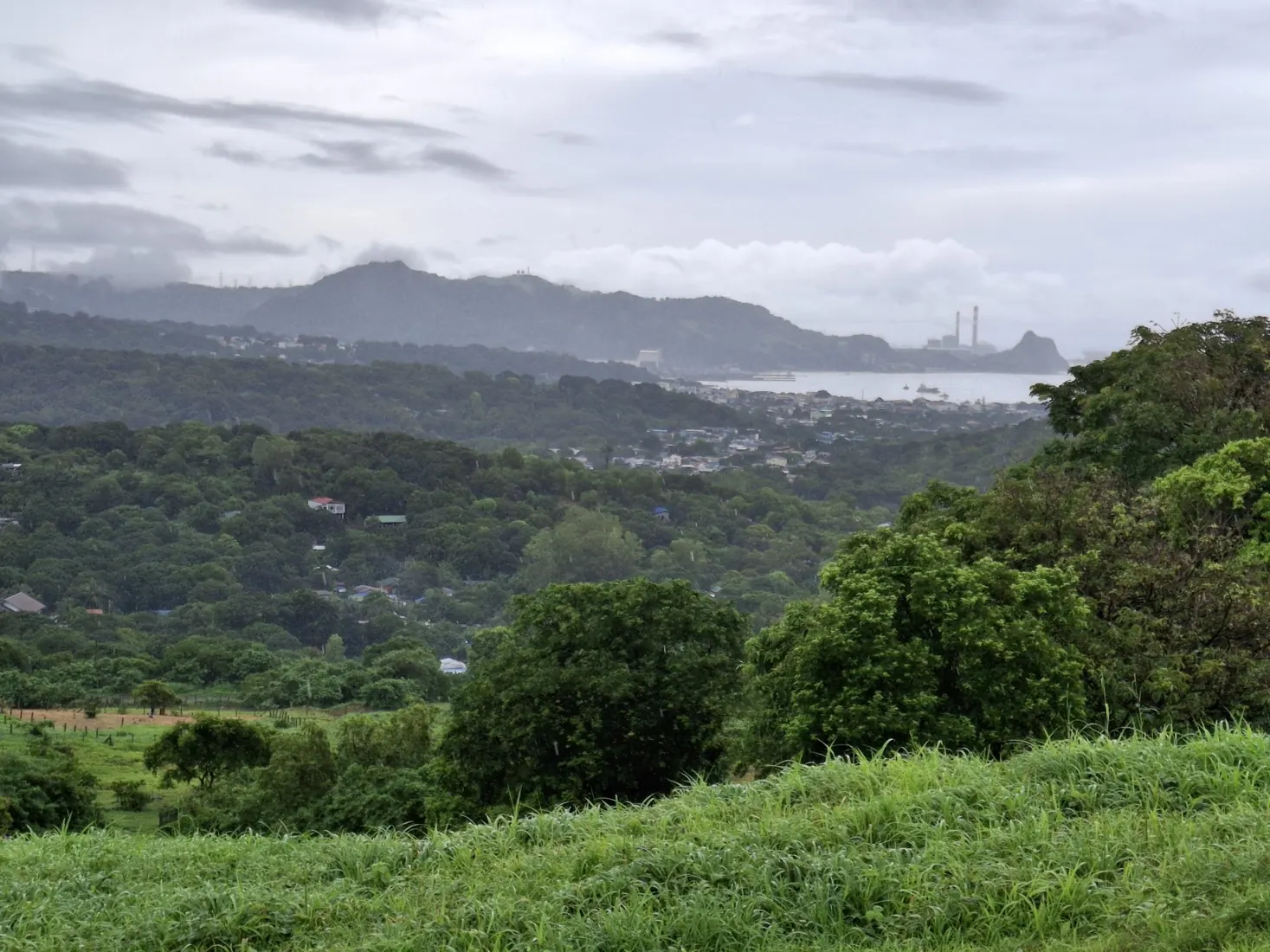
Safe drinking water in Mariveles

System one running
100–200
people a day drink from the first system
Reported
$533
cost of the first system
Record
~500
people a day planned at an indigenous school
Planned

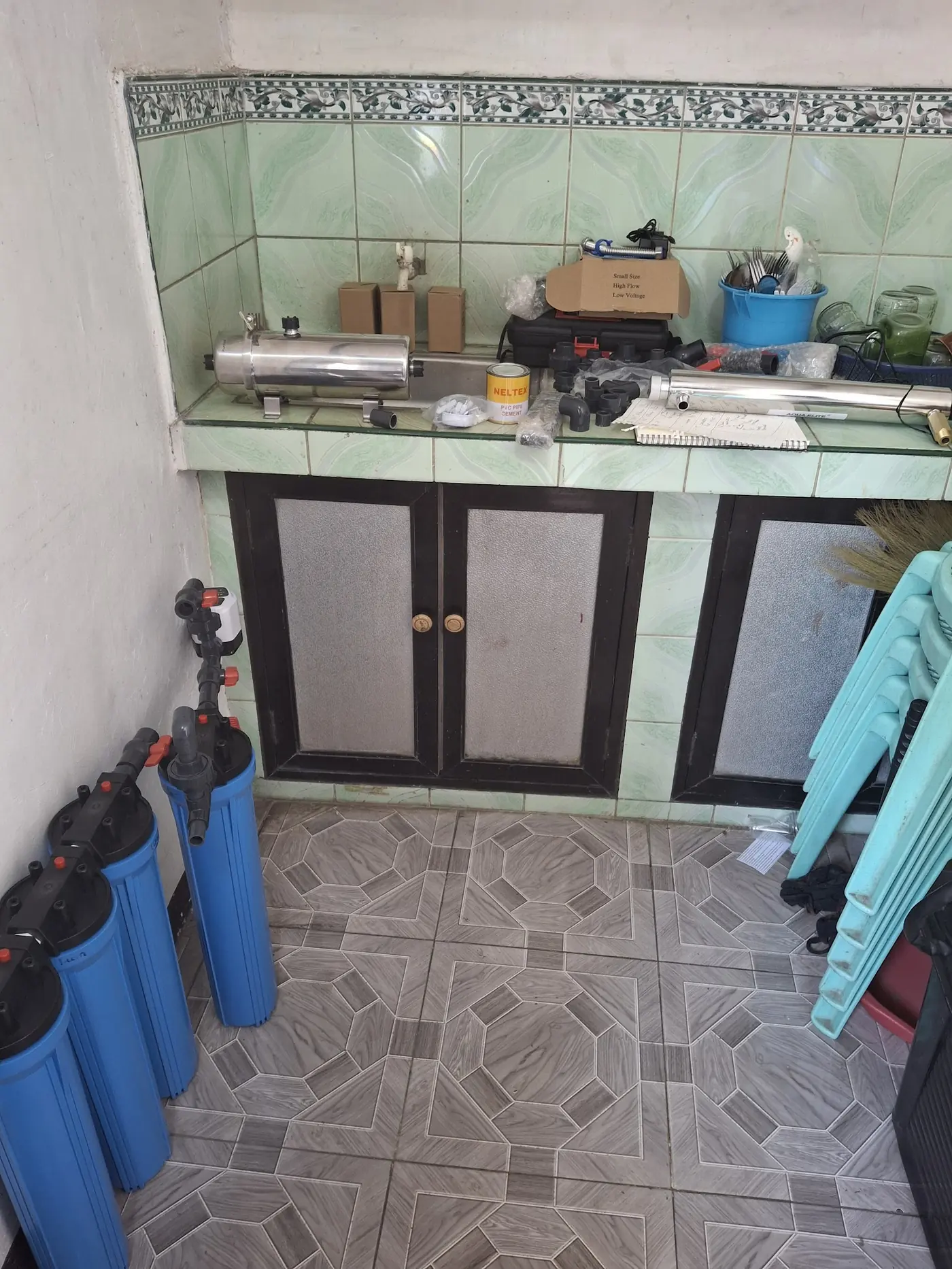
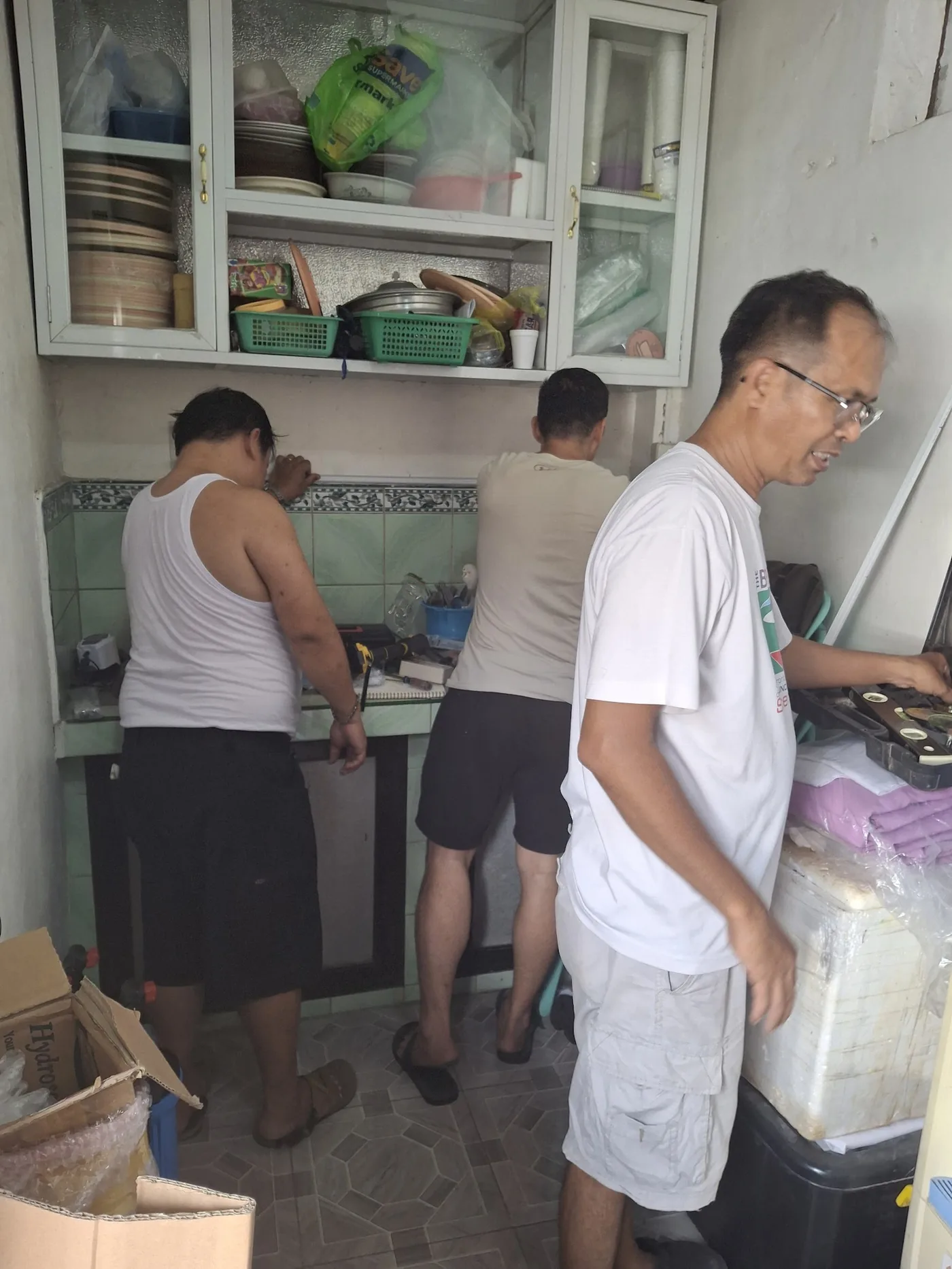
A small system of prefilters, ultrafiltration and UV, run by church volunteers, has served safe drinking water since spring 2026 and passed its post-installation bacteria test. Next is a simplified version for the Biaan Aeta Integrated School, a school for indigenous Aeta children and low-income families, where it could serve about 500 people a day.

What’s next

  • Finish a simpler design for the school: passive ultrafiltration and UV, with no storage tank or booster pump.
  • Raise about $700 and build the system with school staff.
  • Train two caretakers, and test the water after installation and again after six months.
The finished ultrafiltration and UV system
Installing the filtration system
Mariveles, Bataan
Mariveles, Bataan

Photos: Clean Water Help and local partners.

Smaller roles

Two projects where we advise or fund and a partner does the rest.

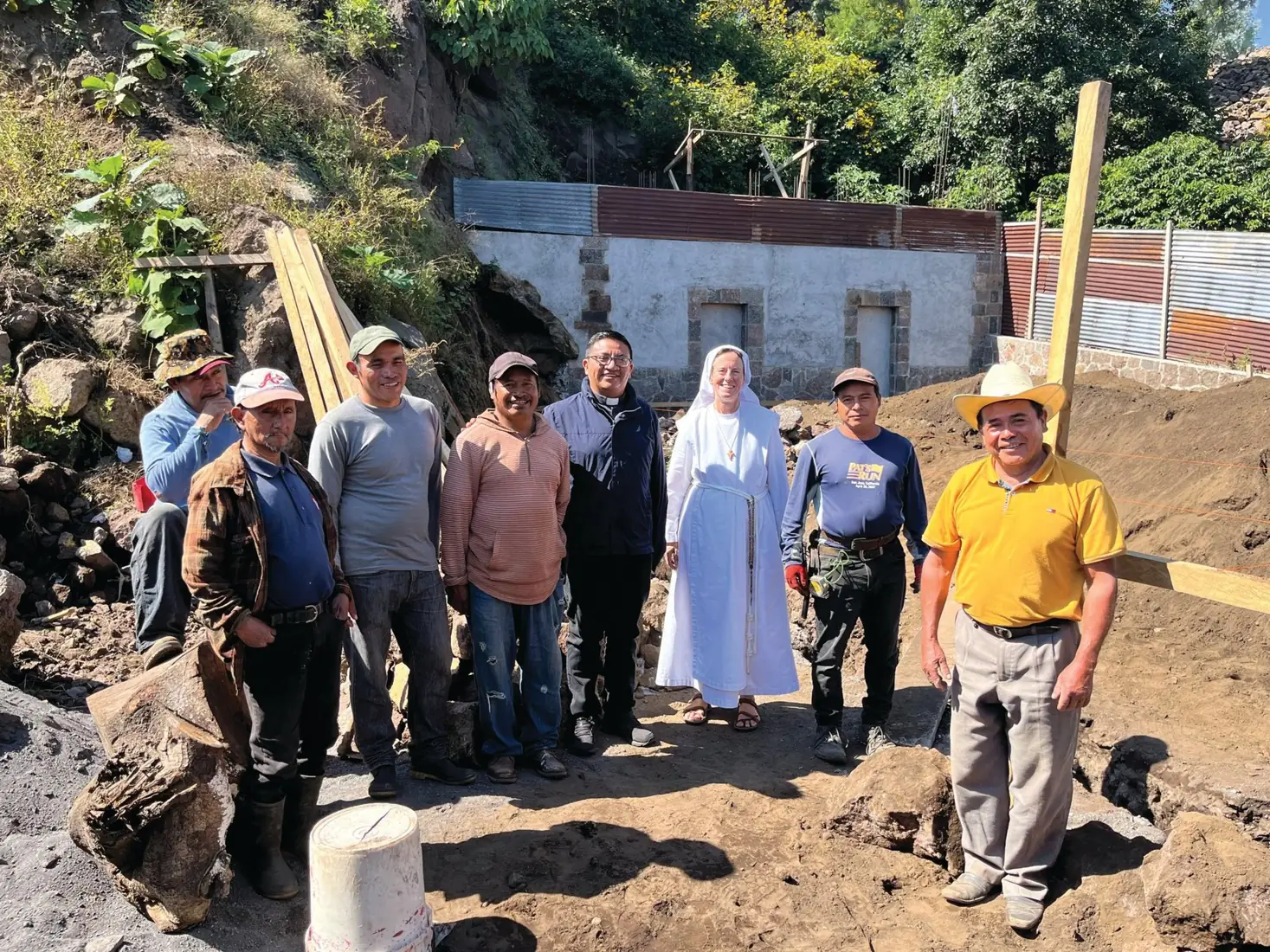
Volunteers at the hospice construction site in Cerro de Oro
Guatemala · with GOLD

Water for a hospice on Lake Atitlán

GOLD is building a small hospice for about 10 patients and 5 volunteer caregivers. Our volunteers act as on-call advisors on a safe drinking and medical water system that deals with pathogens, arsenic, heavy metals and an unreliable town supply. GOLD leads the project.

A grandmother and granddaughter with their biosand filter
Cambodia · with Trailblazer

Five biosand filters for farming families

In April 2026 we funded five biosand filters through Trailblazer Foundation. Trailblazer Angkor built, delivered and installed them and trained each family. Each filter serves about 7 to 20 people and should last more than 10 years.

2026 milestones

  1. Jan
    • Ghana partnership begins with Nyankonton Aid Foundation.
    • First meeting with Philip Wayaki Bongi about Papua New Guinea.
  2. Feb
    • Site visit to small-scale gold mines near Baguio.
    • Ghana partnership letter signed and sent to Nyankonton Aid Foundation.
  3. Mar–Apr
    • First Mariveles water system installed.
    • Five biosand filters funded in Cambodia.
    • First 10 DRC filters ordered.
  4. May
    • Disaster water app made free and open source.
    • Visit to Kampot schools and the Trailblazer workshop in Cambodia.
    • Mariveles system passes its bacteria test.
    • DRC filters arrive in Goma.
  5. Jun
    • 33 students in DR Congo (Goma) apply for scholarships.
    • PNG team chooses the ultrafiltration pilot.
    • DRC filter pilot starts with PALPER.
  6. Jul
    • DRC phase 1: 125 people drinking filtered water.
    • Disaster app refocused on water refilling stations.
    • New cleanwaterhelp.org and palper.org websites launch.
  7. Aug
    • First bacteria tests at Cambodian schools.
    • DRC phase 2: 250 people drinking filtered water.
    • District-level approval in Ghana.
    • PNG pilot unit shipped. Scholarship winners announced.
  8. Sep
    • Board approves 50 more DRC filters; the first 10 are on their way.
    • PNG Safe Water holds its first board meeting; pilot unit delivered.
    • Scholarships move to ULPGL; all five students sponsored.
    • Baguio two-week pilot set for early 2027.
  9. Coming
    • Oct 15: classes start at ULPGL.
    • Dec 4–15: Cambodia program audit.
    • Dec–Jan: PNG scholarship applications.
    • Early 2027: Baguio pilot; PNG Safe Water registration.

Science first, local partners in charge

Every project follows the same four steps.

  1. We diagnose the problem

    Volunteer scientists and engineers test the water and find out what is actually making people sick or holding a community back.

  2. We design a practical fix

    We choose the simplest solution that will keep working locally, and we write down the options we set aside and why.

  3. Local partners lead

    A local organization runs the work and makes the final decisions. We help raise funds and write grants in its name.

  4. We step back

    Once the partner can run on its own, we become its technical advisor. PALPER and KCCO work this way today, and PNG Safe Water will too.

100%of public donations go to the project the donor chose.
$0in salaries. No one at Clean Water Help is paid.
Founderspersonally cover every operating cost. See our finances →

The partners who make it work

Every result in this report belongs first to the local organizations and communities who did the work.

PALPER logoKCCO logoYourAid logoISZA logoTrailblazer Foundation logo

Corporate sponsors. LakeTech, our first corporate sponsor, is funding a full year of university for one of our DR Congo students. It paid $1,000 to cover every cost of our September 30, 2026 evening at the California Lake Management Society conference in Davis, so every dollar raised that night goes to projects. LakeTech also offers its lake management software to our partners free of charge. Limnological Solutions International and McCord Environmental also sponsor our work. Thank you to every individual donor, sponsor and volunteer who gave their money and time this year.

What we look forward to in 2027

Papua New Guinea and DR Congo come first. These are plans, not results yet, and we will report on each one the same way we reported this year.

Papua New Guinea · with PNG Safe Water

Reliable, safe water for about 5,000 more people

  • Help local leaders register PNG Safe Water, a new PNG-run nonprofit that will own and run the water systems.
  • Extend the community’s pipeline and build a second one, bringing water to about 5,000 more people in the rural Eastern Highlands (about 8,500 in all).
  • Add filtration to remove the germs that cause waterborne disease, starting with four more systems if the rainy-season pilot works.
  • Sponsor five young adults from the Eastern Highlands at university, $1,500 each a year, with PNG Safe Water supporting them locally.
DR Congo · with PALPER

Filtered water for about 5,000 people in Goma, and support for our five students

  • Grow the filter program from about 250 people today to about 1,500 by early 2027, when all 60 filters are in use, and about 5,000 by the end of 2027. Reaching 5,000 takes about 200 filters in all ($16,000 at $80 each), then a used truck, pump and tank to deliver lake water: a $20,000 goal.
  • Mentor our five scholarship students and give them internships with PALPER, so they learn safe water work in their own community.
  • Find sponsors for the later years, so all five students can finish their degrees.
Cambodia

Audit, then reach more children

Two weeks in Kampot in December 2026 auditing the KCCO and YourAid school program, then proposals such as wells, portable filters and stronger hygiene teaching.

Philippines · Baguio

Cyanide-free gold pilot

A two-week, full-scale pilot side by side with cyanide, with local partners in early 2027. We will share the results with local government and universities, and hope a local PhD student will carry the work forward with the community.

Ghana

Filters made from local materials

With Nyankonton Aid Foundation, teach communities to build filters from 100% local materials, designed to reduce mercury and other metals and checked by lab tests. Explain how mercury builds up in fish and food, to protect pregnant women and children. With AppelGlobal, help legitimate small-scale miners use less mercury.

Philippines · nationwide

Disaster water app, built with Filipinos

Develop the free app further with a Filipino co-lead, refilling-station owners and local disaster offices, then pilot it with one local government.

Philippines · Mariveles

A larger system for an indigenous school

Build on our first system with a simpler design that serves more people: about 500 a day at the Biaan Aeta Integrated School, for about $700.