Process designed. Licenses and chemicals in progress.
Status as of September 28, 2026
After a site visit in February 2026, 15 versions of the design and an outside technical review, the process is ready to test. We are now securing the licenses and chemicals for the pilot, with support from local government and the local small-scale mining association. The pilot will run full production-scale batches (about 1.5 tons of ore) beside the normal cyanide process in early 2027.
- Site visit & researchFeb 2026
- Design the processFeb–Jul 2026
- Licenses & chemicalsNow
- Side-by-side pilotEarly 2027
- Universities optimizeIf promising
- Jan 2026While researching mercury solutions for Ghana, we meet AppelGlobal and its local expert, Leoncio Na-oy.
- Feb 9–13, 2026Byran Fuhrmann visits small-scale mines near Baguio with Leoncio.
- Feb–Jun 2026Our chemists refine the process through 14 versions, with geochemical modeling.
- Jun 2026An independent geochemist reviews the method; the design is simplified and made safer.
- Jul 2026Version 15 is completed; the board funds the research; sourcing of chemicals and resin begins.
- Sep 2026Pilot scheduled for early 2027; licenses and chemicals being secured.
- Early 2027Full-scale batches run side by side with cyanide at a working mine.
- NextIf promising, the plan is to invite local universities to optimize the method with local government and miners.
From the field
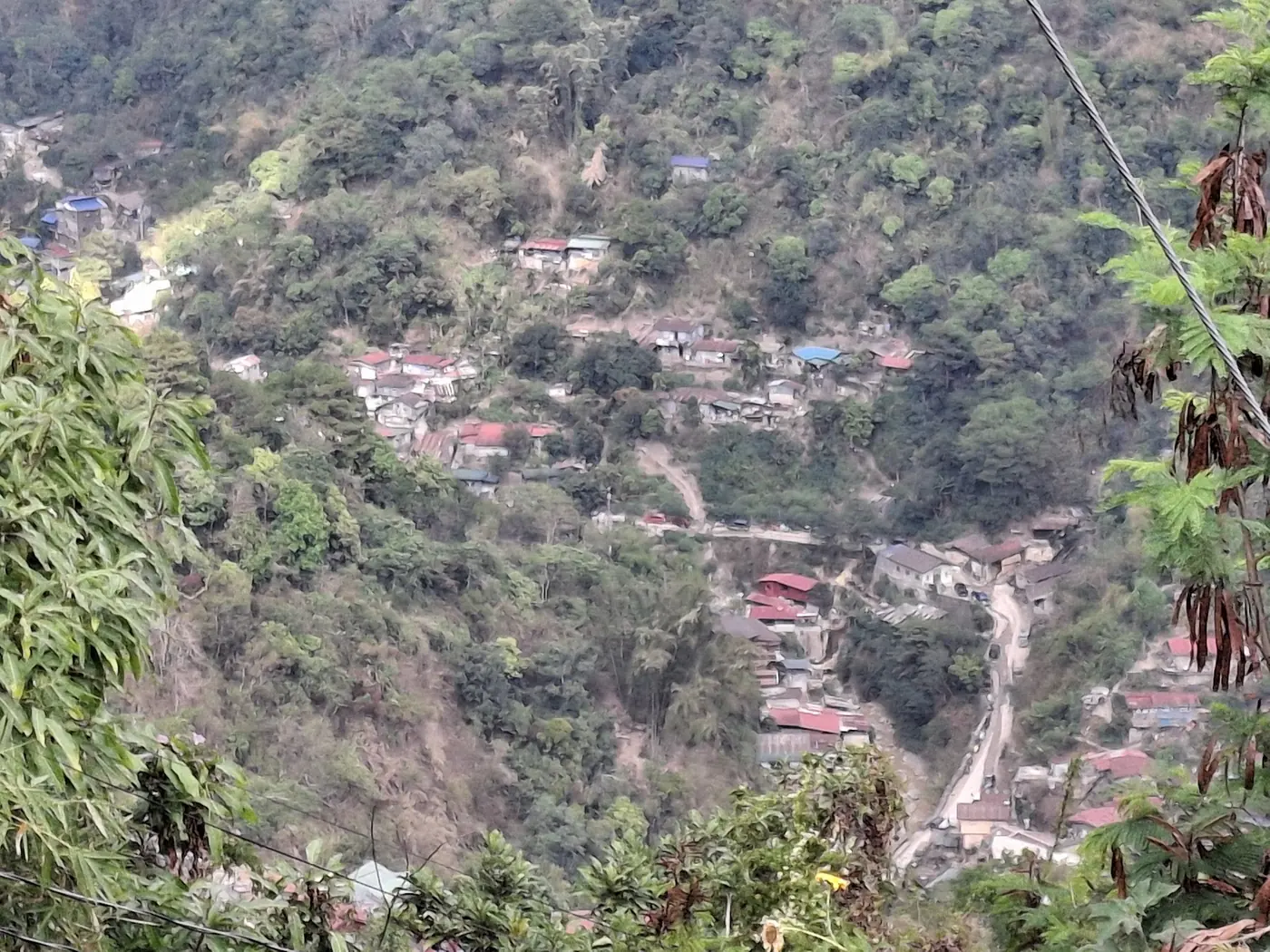
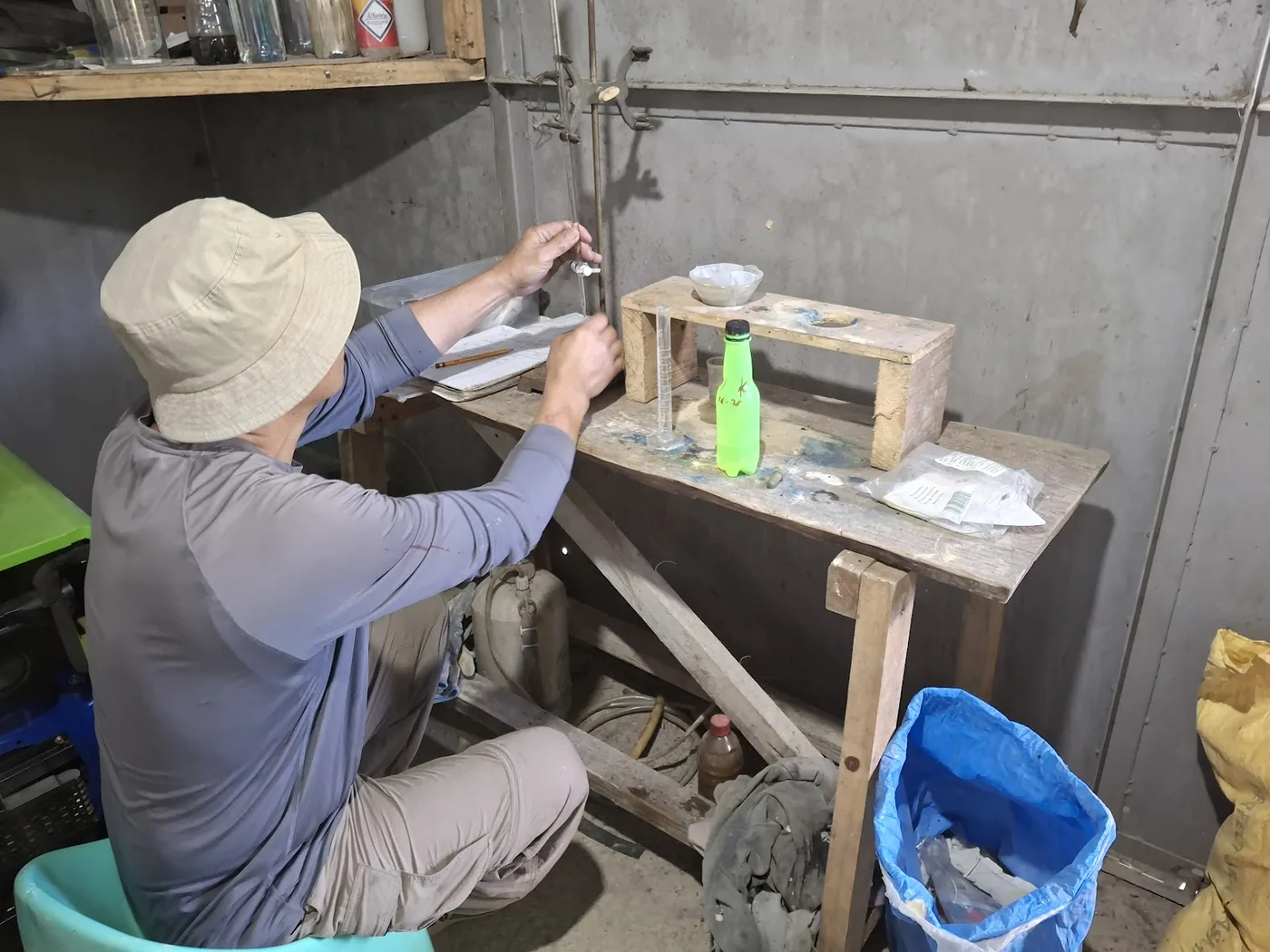
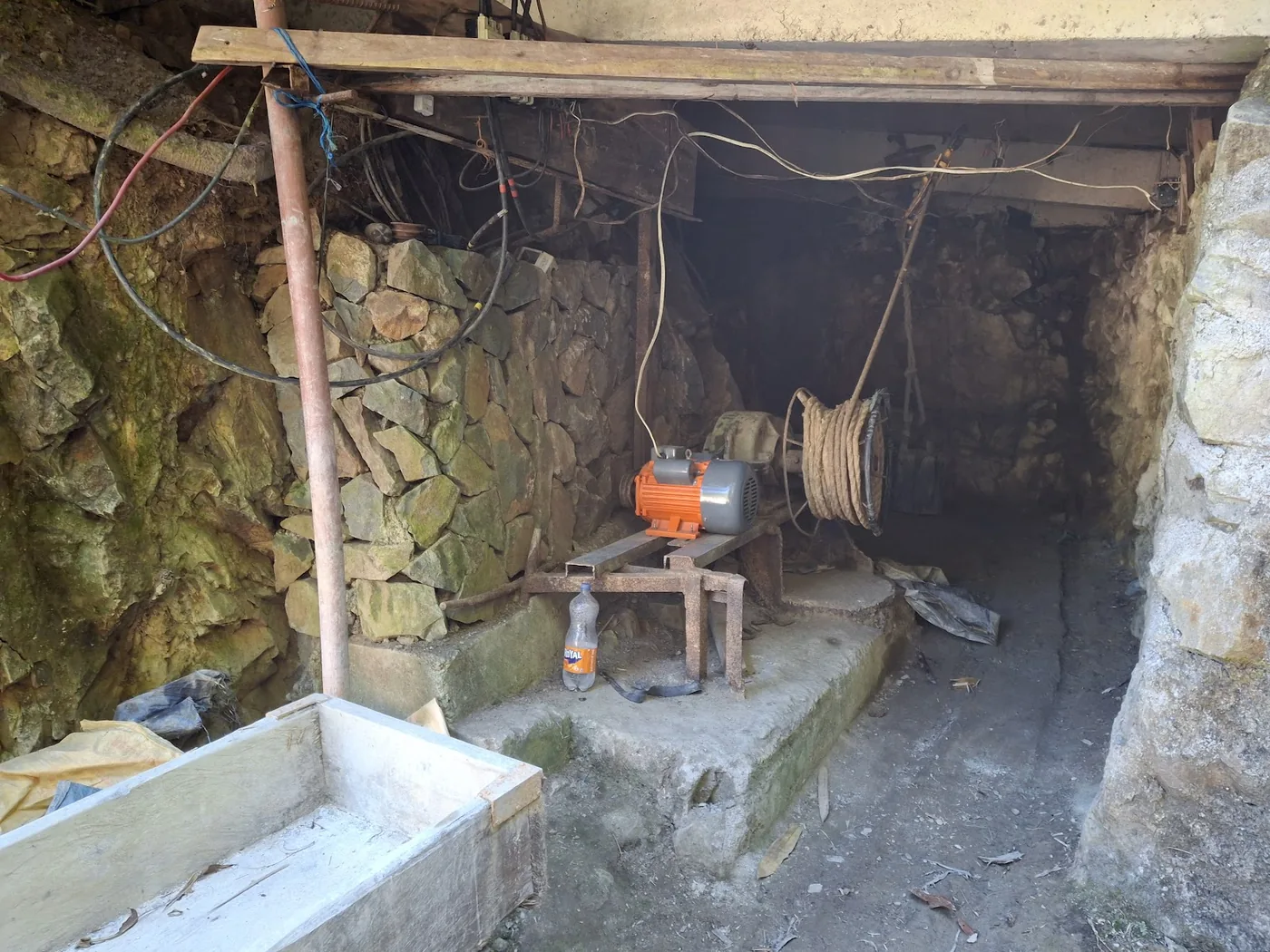
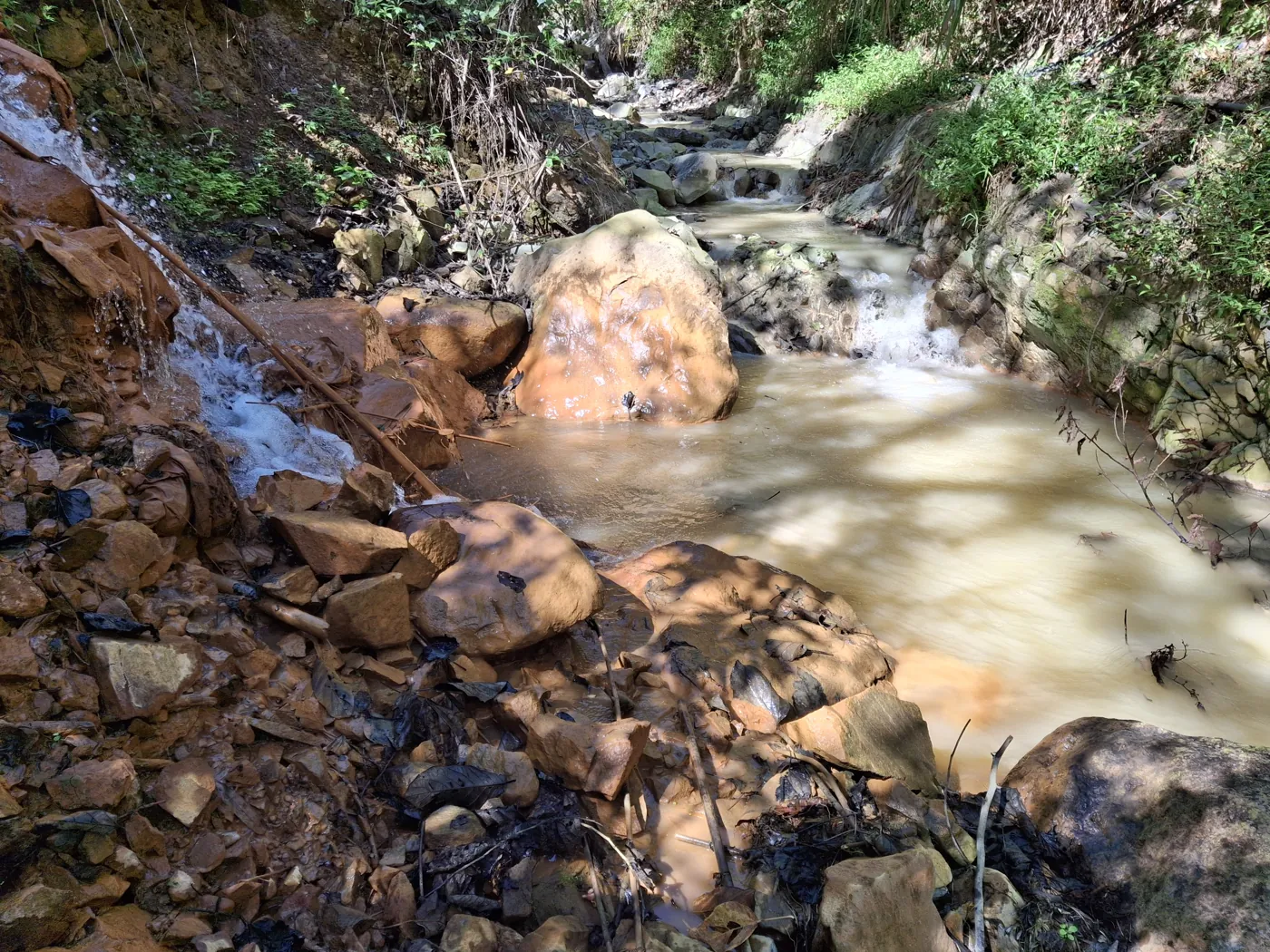
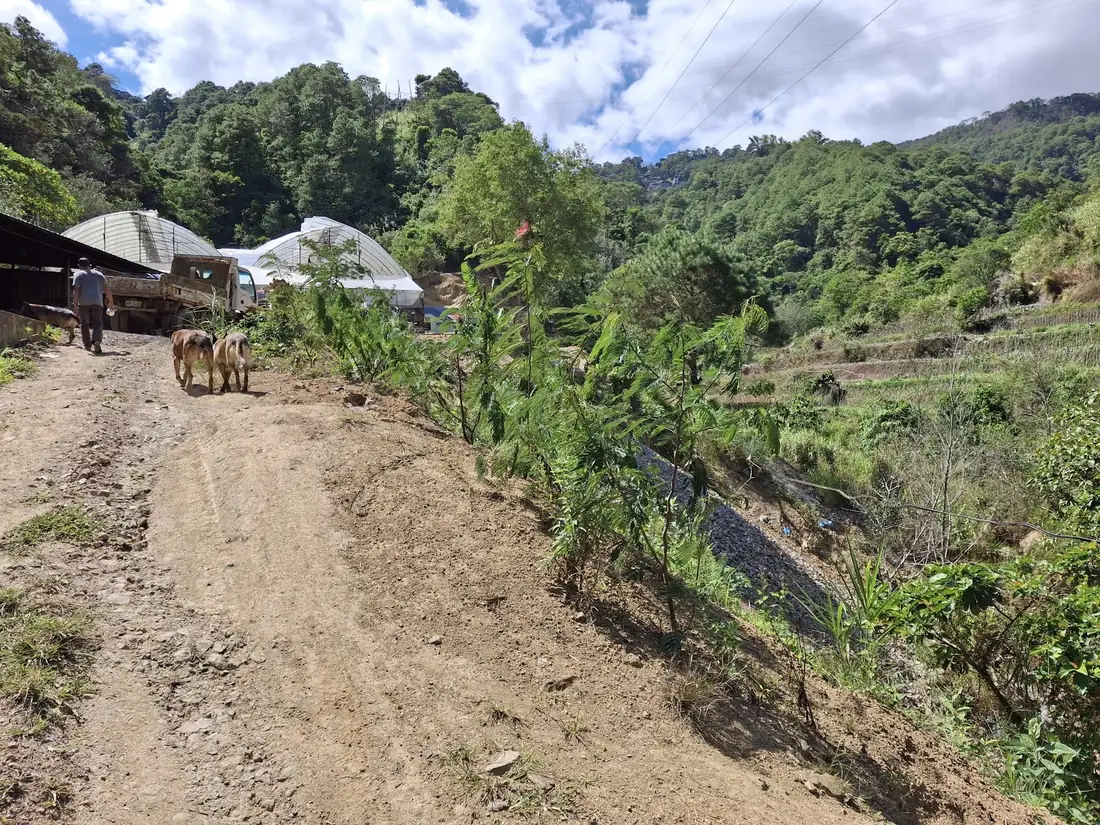
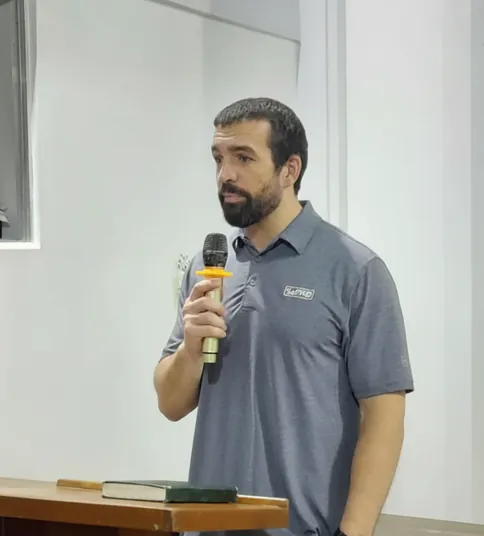
Photos: Clean Water Help, February 2026.
Learn more
The short version is above. Open any section for the details, or download the full report below. For the background, read our brief on replacing mercury and cyanide in gold mining.
The problemCyanide waste reaches the rivers people use
Gold mining is a large part of the local economy in Benguet Province. After miners recover the free gold by gravity, the remaining gold is locked in copper-rich ore and is usually leached with cyanide. Cyanide waste, mixed with acid drainage from the mines, can reach rivers that downstream communities use for drinking, farming and fishing.
Cyanide also works poorly on this ore. The copper consumes much of it, and recovery on this kind of ore is often limited to about half to two thirds of the gold.
What miners already do rightMercury is almost gone from Baguio
Decades ago, small-scale miners around Baguio used mercury. Our partner Leoncio Na-oy of AppelGlobal helped move them to gravity methods (sluicing, panning and simple smelting) that recover gold without mercury. His work has helped more than 500 Philippine mines stop using mercury, and only a handful of the roughly 600 mines around Baguio still do. We are building on that success for the next step.
Our approachA thiosulfate process instead of cyanide
Our chemists designed a process based on thiosulfate, a far less dangerous chemical than cyanide, with a copper catalyst and a resin that captures the gold. It is designed to work on this copper-rich ore, to finish faster than the usual cyanide cycle, and to leave tailings that can be neutralized before discharge.
We are deliberately not publishing the operating recipe until the pilot proves it is safe and effective. The method went through 15 versions and an independent review by a geochemist.
How we will test itSide by side with cyanide, at full scale
- Full production-scale batches (about 1.5 tons of ore) run beside the mine’s normal cyanide process
- Compare gold recovered, processing time and chemical cost, batch by batch
- Monitor safety closely (ammonia and hydrogen sulfide gas monitors, pH control, aeration)
- Test the treated tailings before discharge
Miners will judge the process on their own ore and their own economics, so the test has to be real, not a lab demonstration.
Who is involvedLocal partners lead; our chemists support
- AppelGlobal and Leoncio Na-oy: mercury-free mining experts and our field partners
- The local small-scale mining association in Benguet, which supports the pilot
- Local government, which supports the pilot
- Clean Water Help volunteers: process chemistry, geochemical modeling, safety planning and funding
- Local universities: invited to optimize the method if the pilot is promising
Why it matters beyond BaguioA safer method could spread
If the process matches cyanide on recovery and cost, it could be adopted across the roughly 600 small mines in the region, and later in other gold-mining communities, including Ghana, where we are working on mercury pollution with the same partner.
Project ReportPhilippines: Cyanide-Free Gold PilotDownload the full project report
Why cyanide is the next target after mercury, how the process was developed and reviewed, how the pilot will be run and judged, and a dated timeline. Updated September 2026.
The team behind it
Volunteer scientists and engineers donating their expertise to this project. Click anyone to see their work.