Water testing underway. Program audit in December.
Status as of September 28, 2026
In August 2026, KCCO ran the first bacteria tests with kits we donated: treated water tested negative for bacteria and untreated tank water tested positive. From December 4 to 15, our executive director will be in Kampot to audit KCCO’s full water, sanitation and hygiene (WASH) program and to test how the systems cope with pond water in the dry season.
- Meet the partners2025
- School visitsMay 2026
- Water testingNow
- Program auditDec 2026
- Improvements & grants2027
- 2020ISZA and YourAid begin installing ultrafiltration systems at rural Cambodian schools.
- Jul 2025Clean Water Help connects with ISZA and YourAid and launches a fundraiser for school systems.
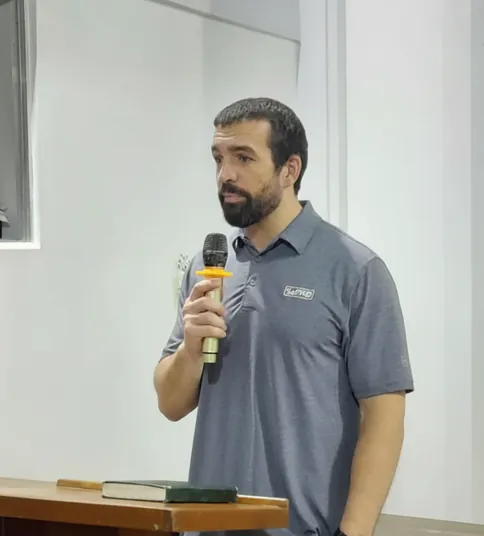
- May 2026Byran Fuhrmann visits schools around Kampot with KCCO.
- Jun 2026KCCO asks us to audit its full water, sanitation and hygiene program, not just the filters.
- Aug 2026We donate 30 bacteria tests and 200 water-chemistry test strips; first results come back.
- Dec 4–15, 2026Two-week audit visit in Kampot, with dry-season water testing.
- 2027Recommendations, grant applications and new partners to extend the program.
From the field
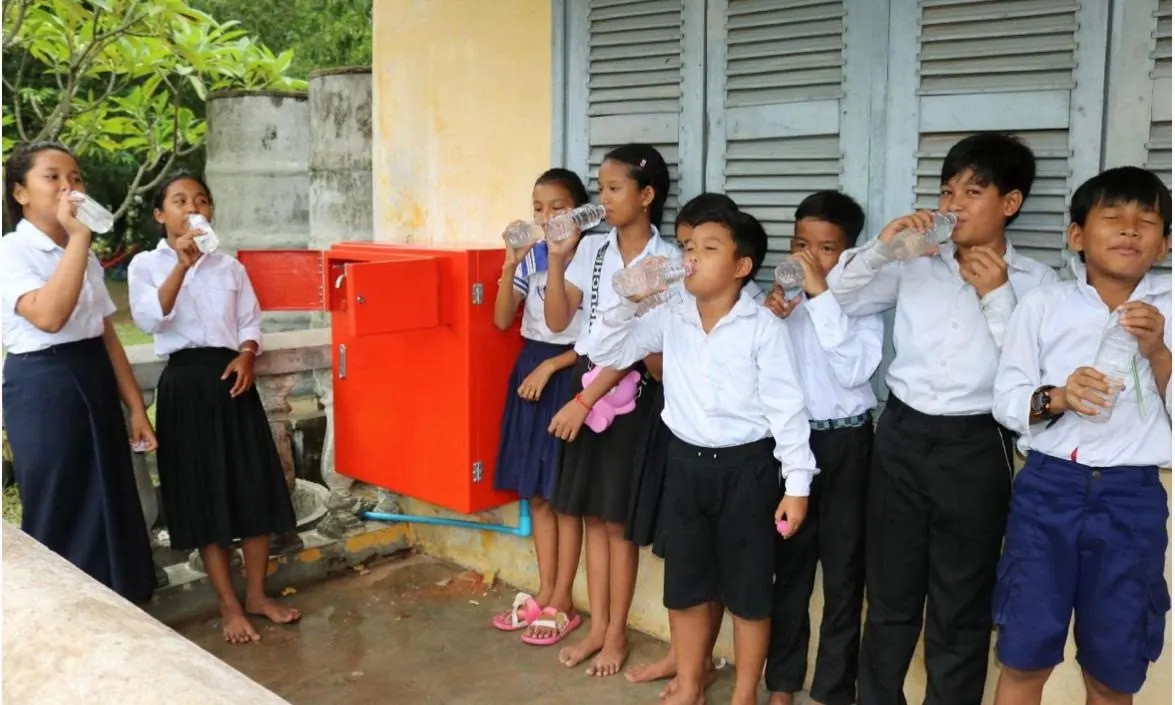
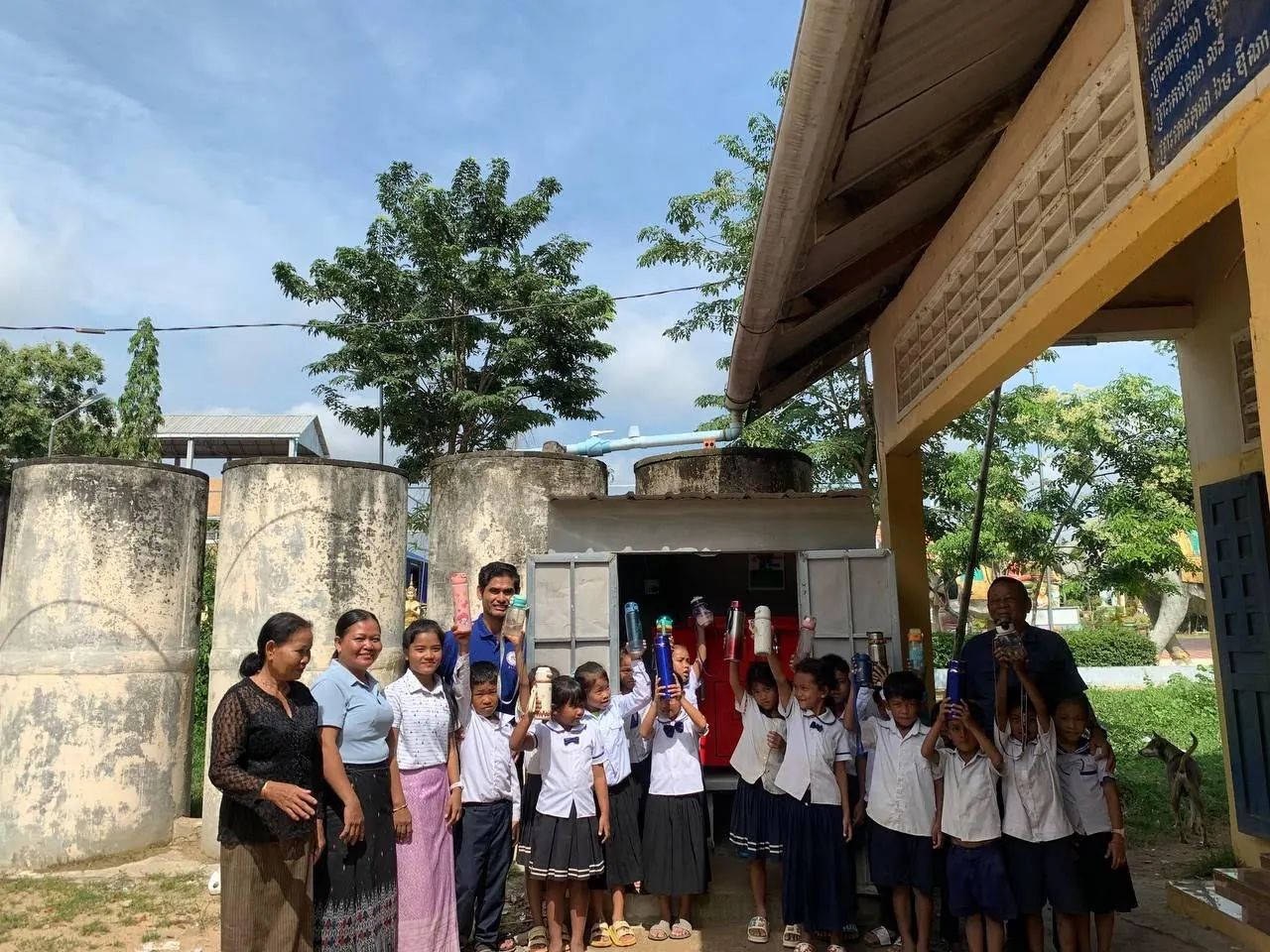
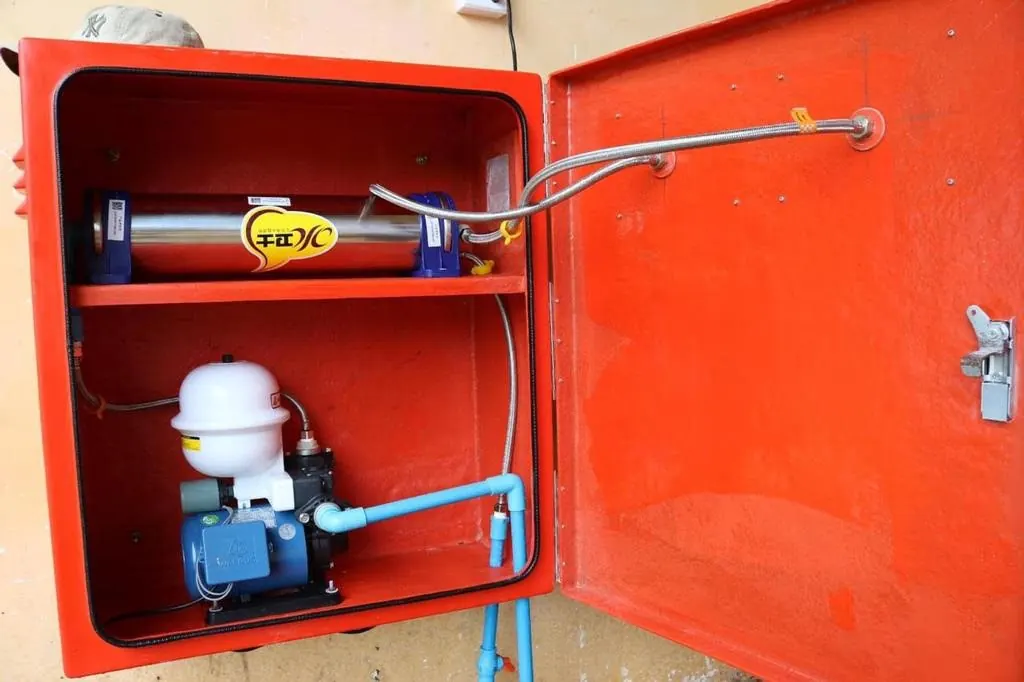
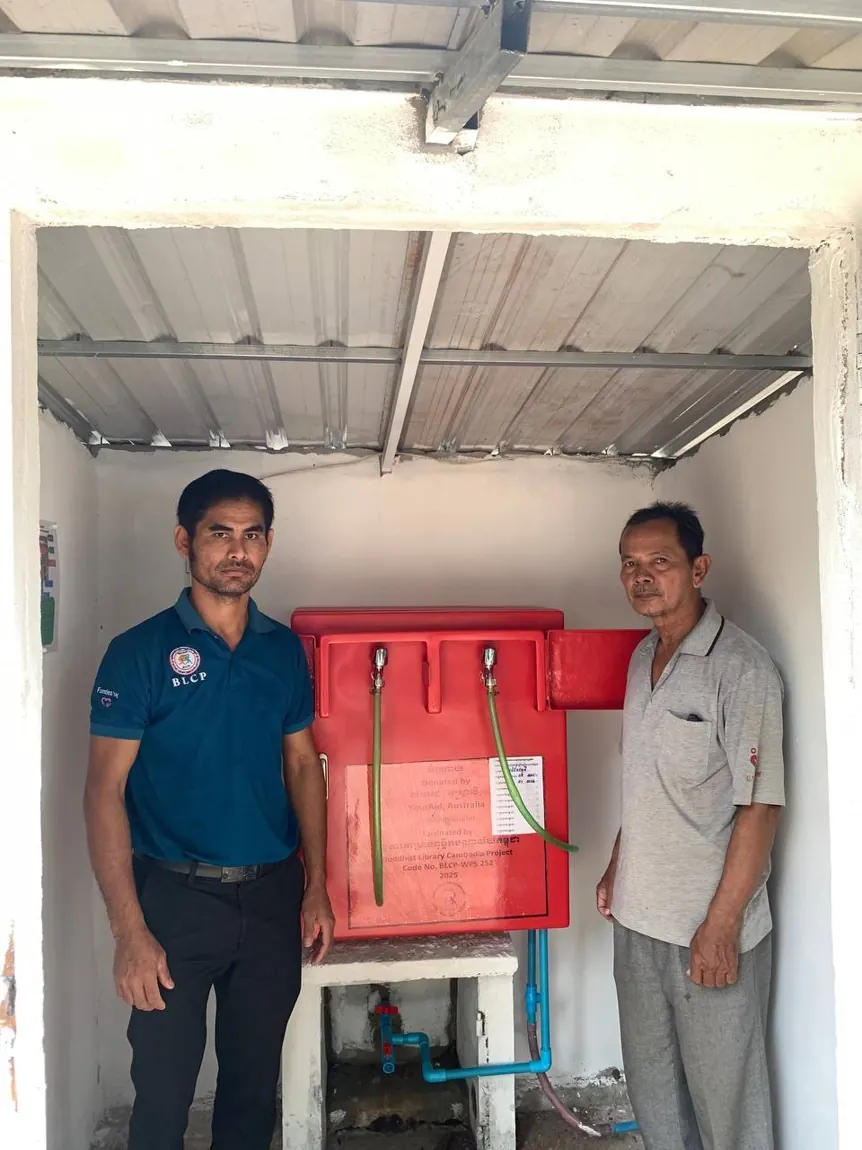
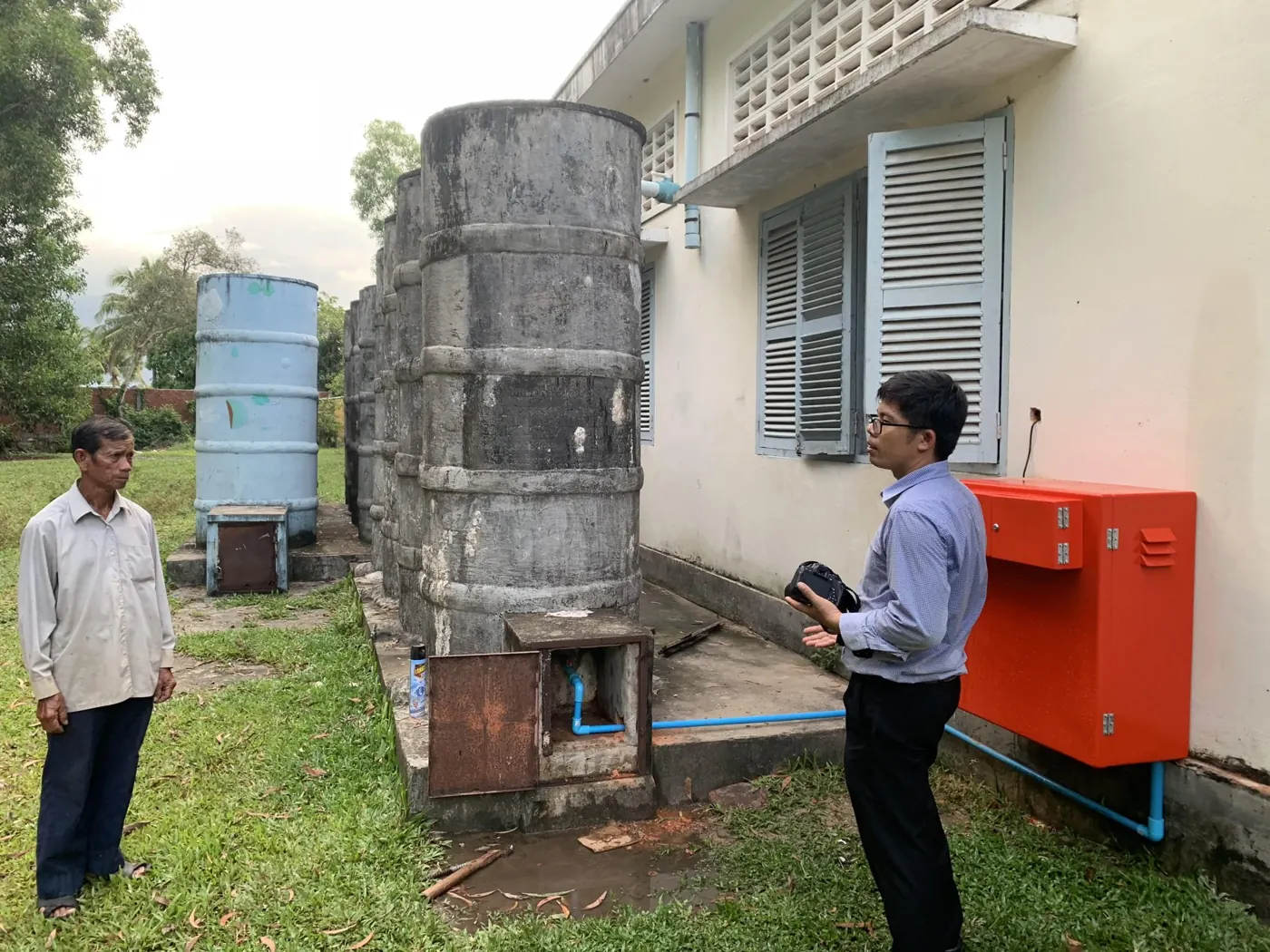
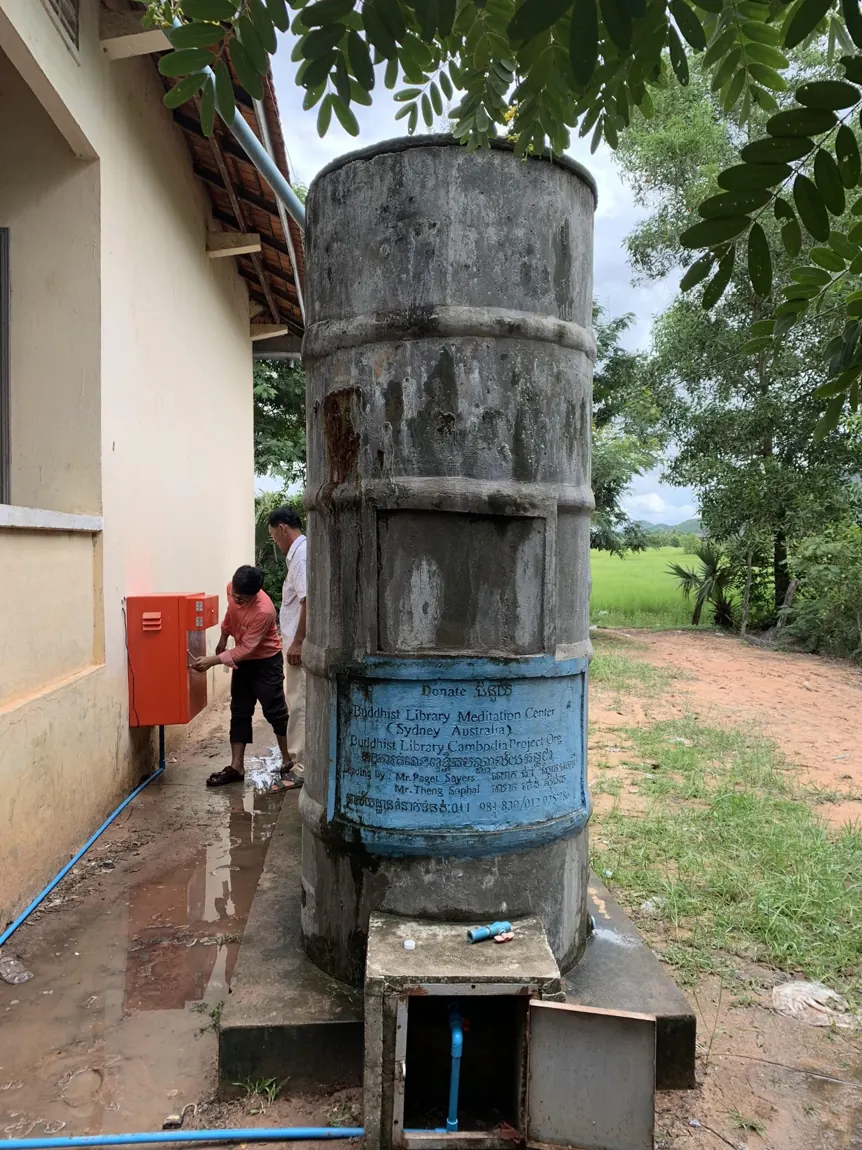
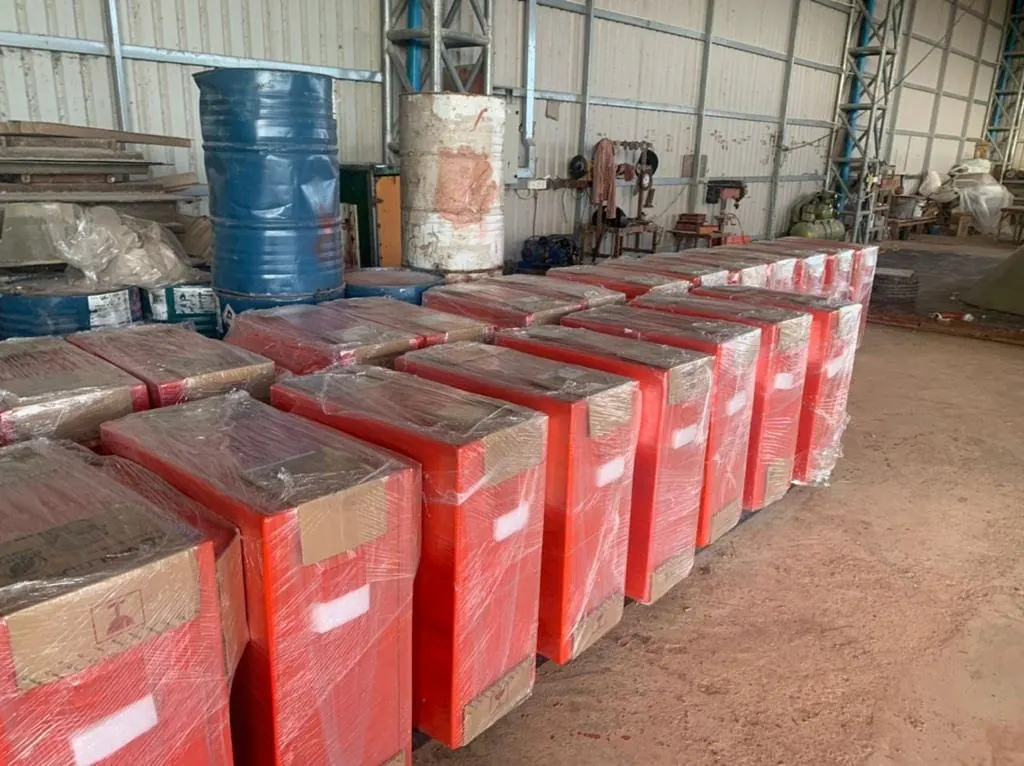
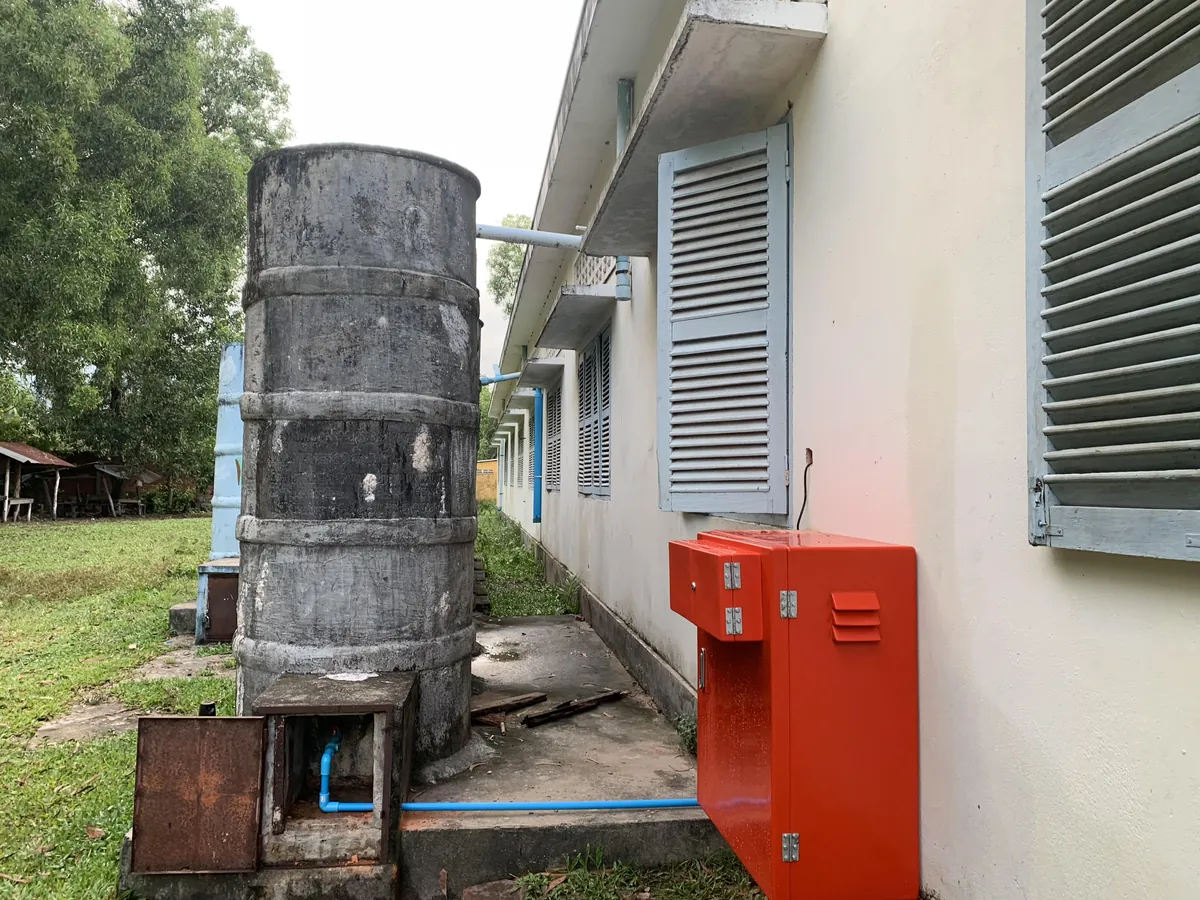
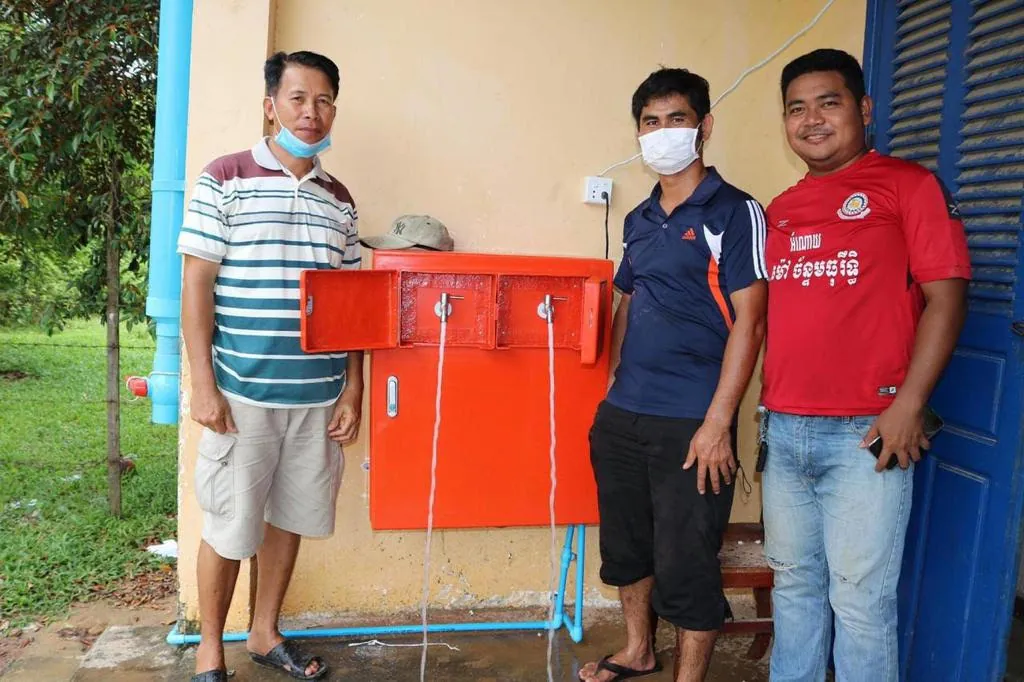
Photos: ISZA and YourAid. Shared with permission.
Learn more
The short version is above. Open any section for the details, or download the full report below. For the science behind this system, read our brief on ultrafiltration and combined treatment.
The challengeDry-season pond water is harder to treat
Rural schools around Kampot rely on rainwater collected in tanks. Each school serves about 200 to 300 children aged 5 to 13. In the dry season, when the rainwater runs out, schools switch to pond water, which carries more sediment and germs and clogs filter membranes faster.
How the school systems workTank, small pump and an ultrafiltration membrane
Each system connects to the school’s water tank. A small pump pushes water through an ultrafiltration membrane with pores of about 0.01 micron, which removes bacteria and parasites. Staff flush the membrane for two minutes each day and clean it with chlorine every six months. KCCO installs and maintains the systems; ISZA builds them. Each costs about $700 and lasts about 10 years. For a school of about 200 students, that is about $0.35 per student per year, and an estimated cost per life saved of about $500 (how we estimate it).
Our roleSource water protection, pathogen testing and a program audit
- Pathogen safety testing of the treated water. We donated simple, low-cost test kits (30 bacteria tests and 200 strip tests for things like lead, iron, hardness and pH) so KCCO can test without sending samples to a lab in Phnom Penh
- Source water protection to make the filters last longer: test how well the systems treat pond water in the dry season and recommend improvements such as washable prefilters
- Audit KCCO’s full water, sanitation and hygiene program in December 2026, at KCCO’s request
First test resultsTreated water negative for bacteria; untreated tank water positive
On August 7, 2026, KCCO ran its first bacteria tests with the new kits. Two samples of filtered water tested negative for bacteria. One sample of untreated water from a school’s concrete tank tested positive. Three samples is a small start; the December visit will test many more schools, including in the dry season.
Ideas we will exploreBetter WASH, grants and new partners
- Strengthen the hygiene and sanitation side of the program
- Apply for grants to extend the program beyond what the founder’s trust funds
- Connect KCCO with partners who can add deep wells or distribution pipelines for schools without reliable water
- Offer scholarships for Cambodian students in water science or engineering
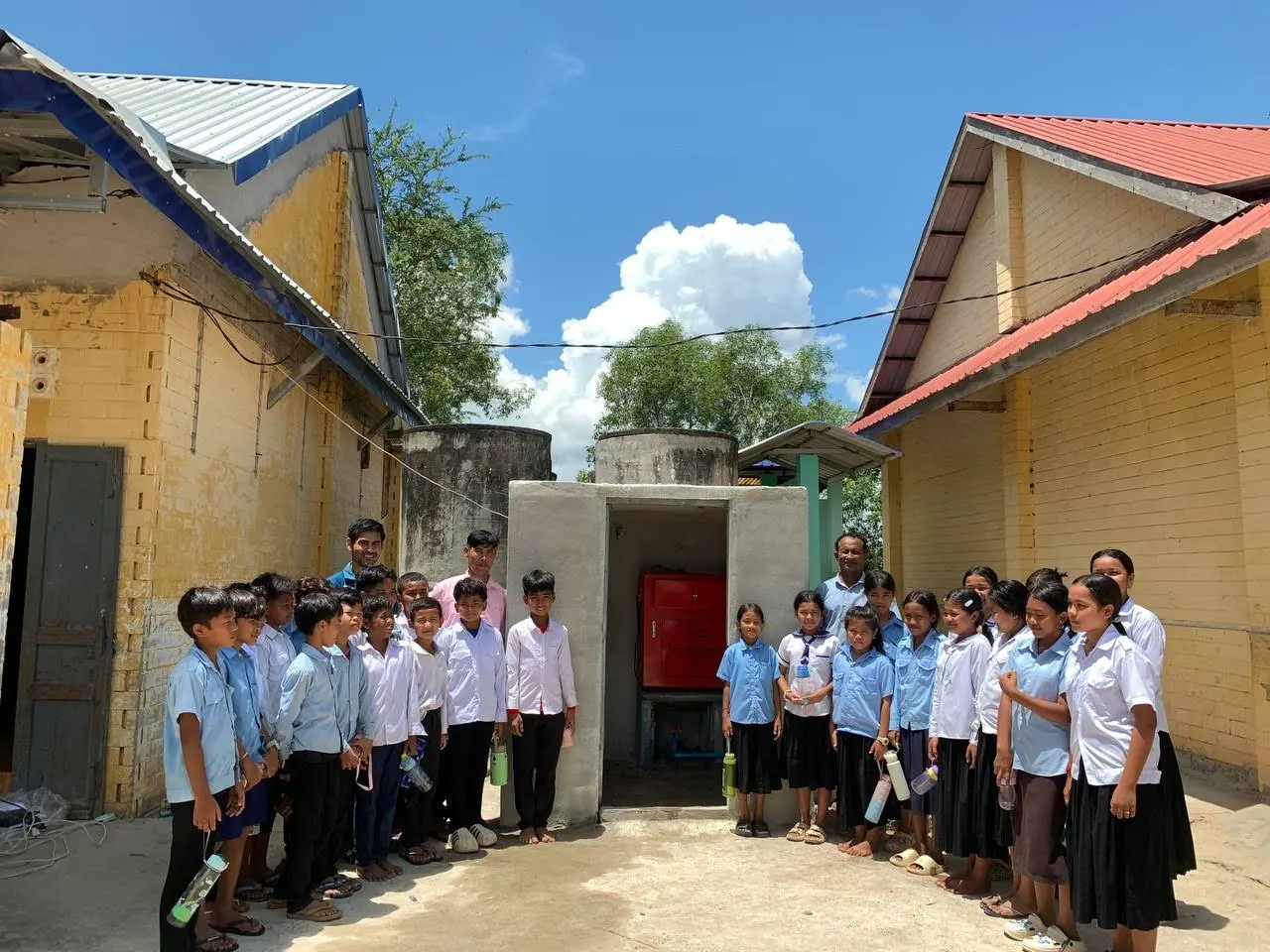 Project ReportCambodia: Safe Water for Rural Schools
Download the full project report
How the school systems work, what the first tests showed, the audit plan for December and ideas to extend the program. Updated September 2026.
The team behind it
Volunteer scientists and engineers donating their expertise to this project. Click anyone to see their work.