Approved by the districts and our partner. Ready to start.
Status as of September 28, 2026
In August 2026, Atwima Kwanwoma District issued an official letter supporting the project, Amansie West District accepted it, and Bekwai Municipal Assembly approved it in principle. The work is expected to start soon, beginning with the community filter design. Next come an inception meeting and a signed agreement with the districts, then a pilot in one or two communities.
- PartnershipJan–Feb 2026
- Government approvalsFeb–Aug 2026
- Inception & agreementNow
- Community filter pilotNext
- Miner trainingNext
- Nov 2025CWH volunteer Dr. Louis Amegbletor begins the search for a Ghanaian partner.
- Jan 2026First meeting with Nyankonton Aid Foundation; we agree to start with a pilot in one or two communities.
- Feb 2026Partnership letter signed and sent to NAF for local authorities.
- May 2026Proposal delivered to municipal and regional bodies; the Health Directorate expresses support.
- Aug 2026District approvals: Atwima Kwanwoma (official support letter), Amansie West, and Bekwai (in principle).
- NowPreparing an inception meeting and agreement with the districts.
- NextCommunity filter pilot and training on mercury-free mining.
From the field
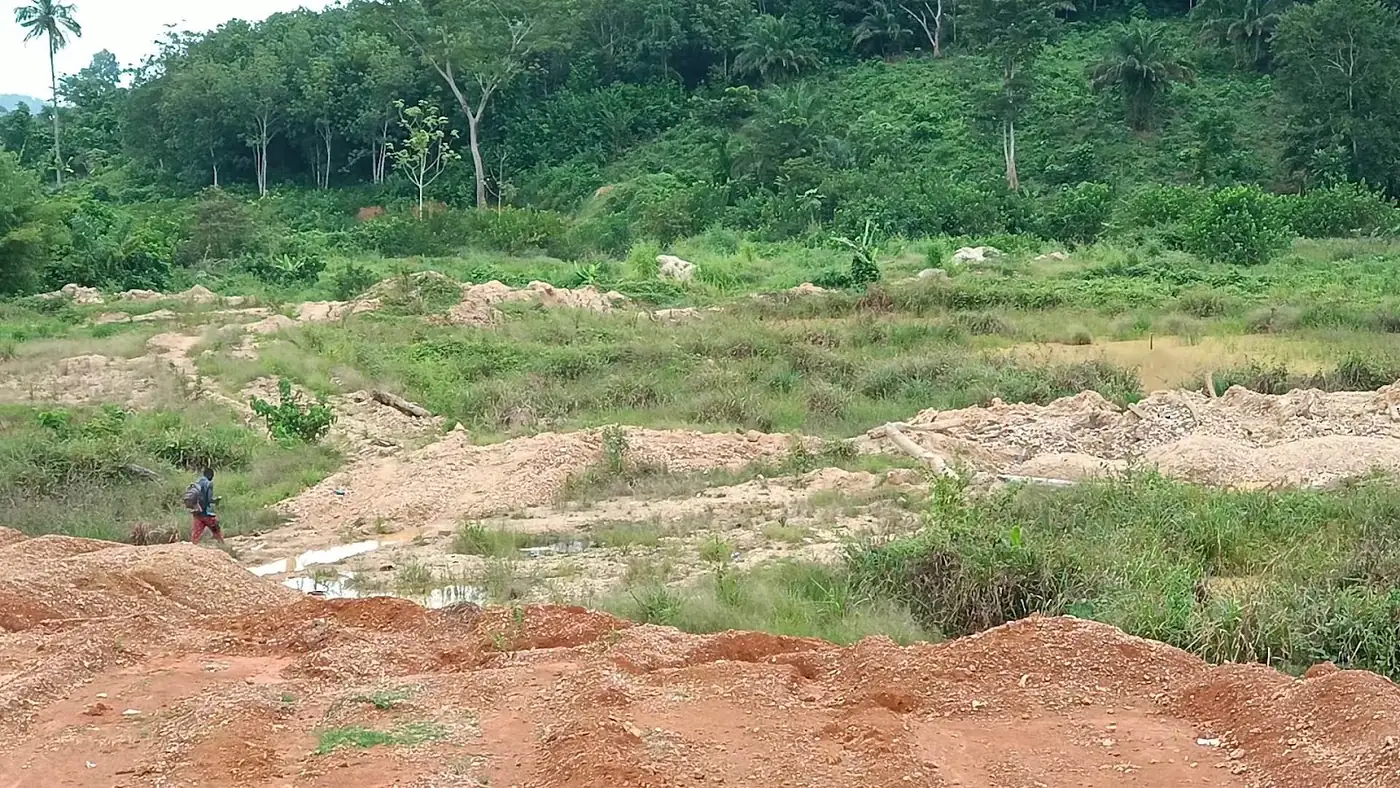
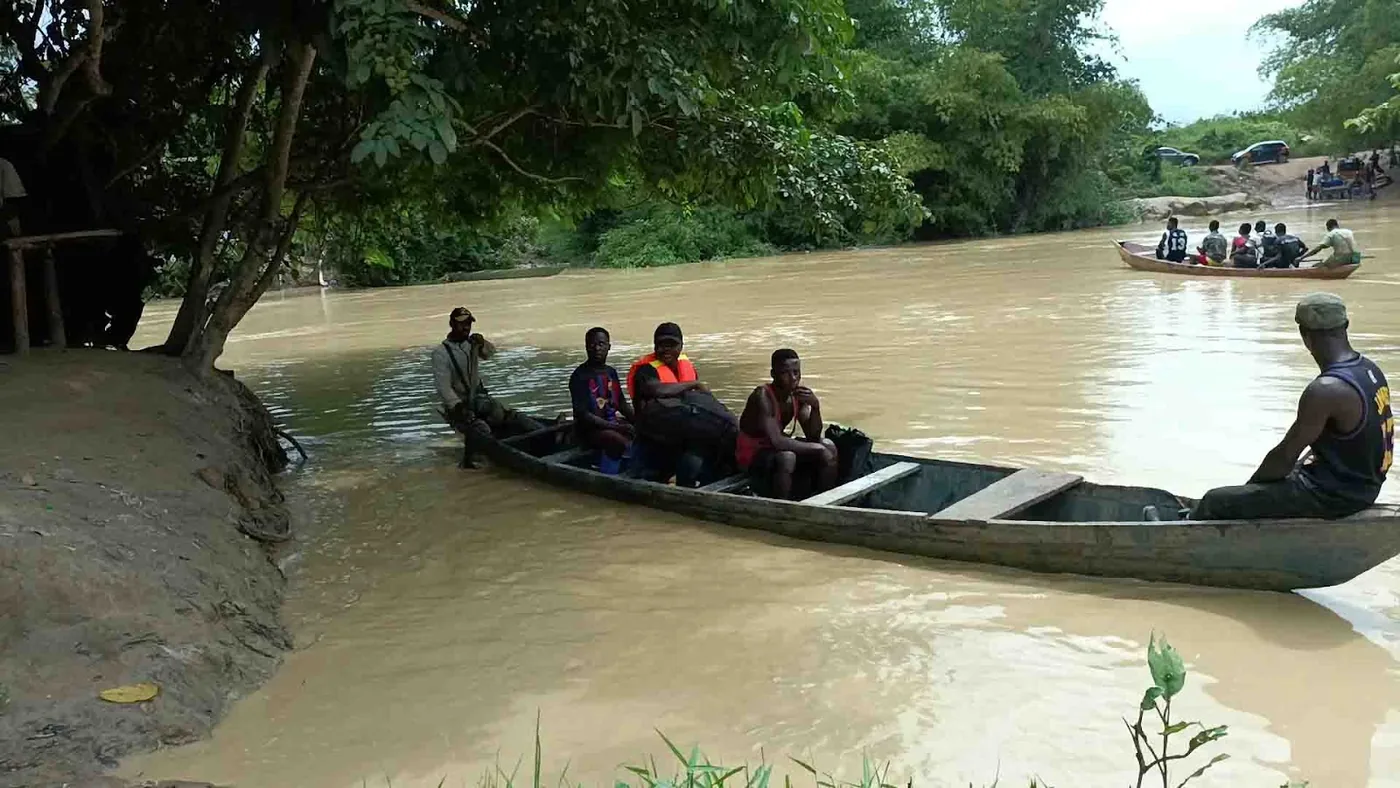
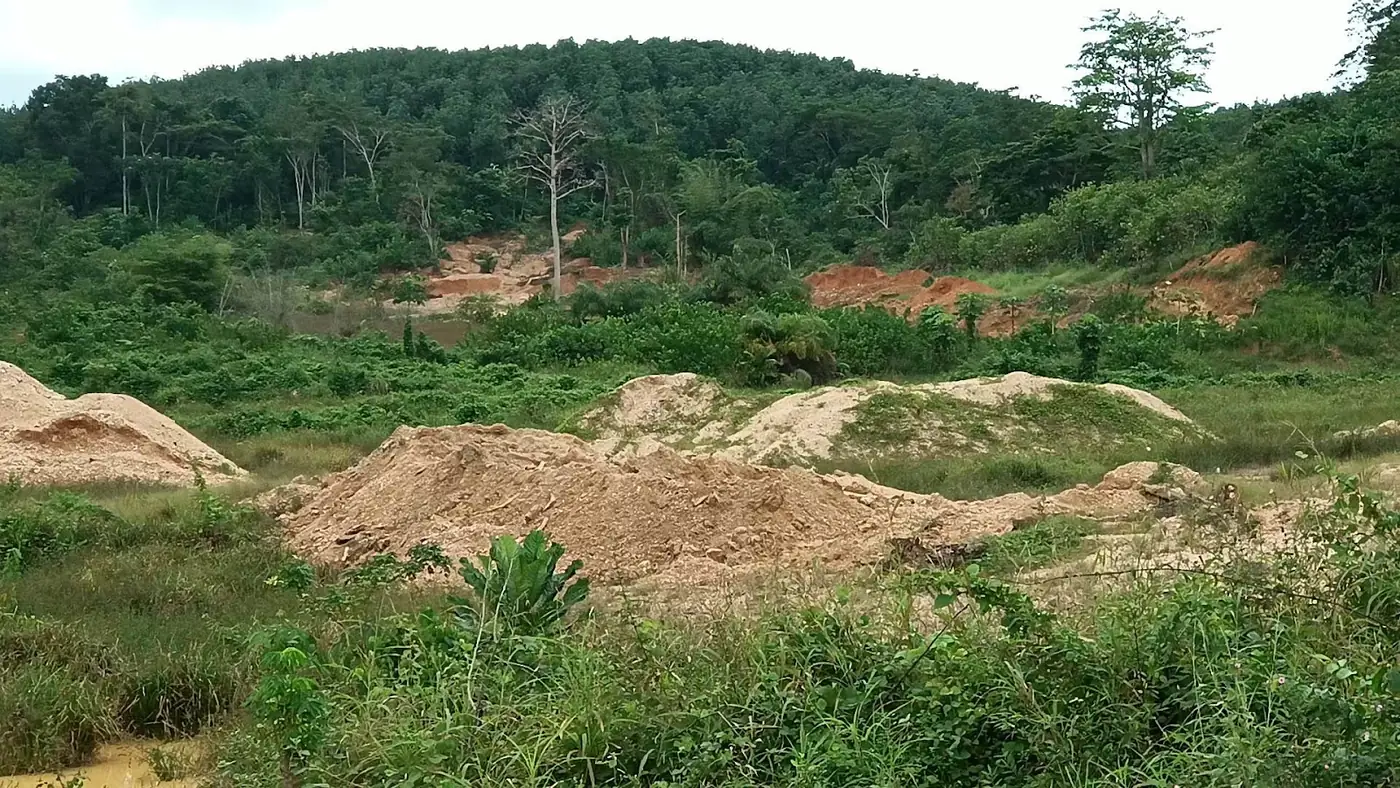
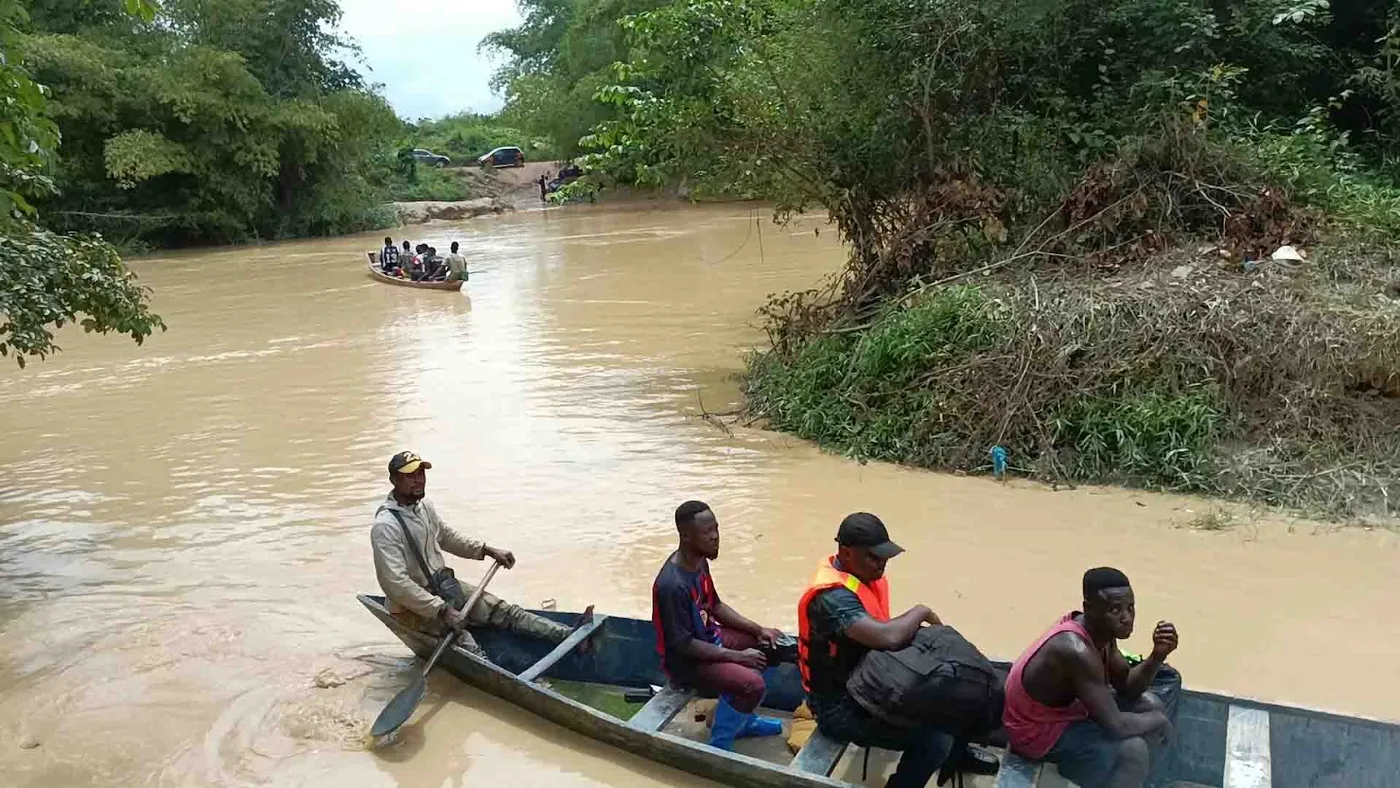
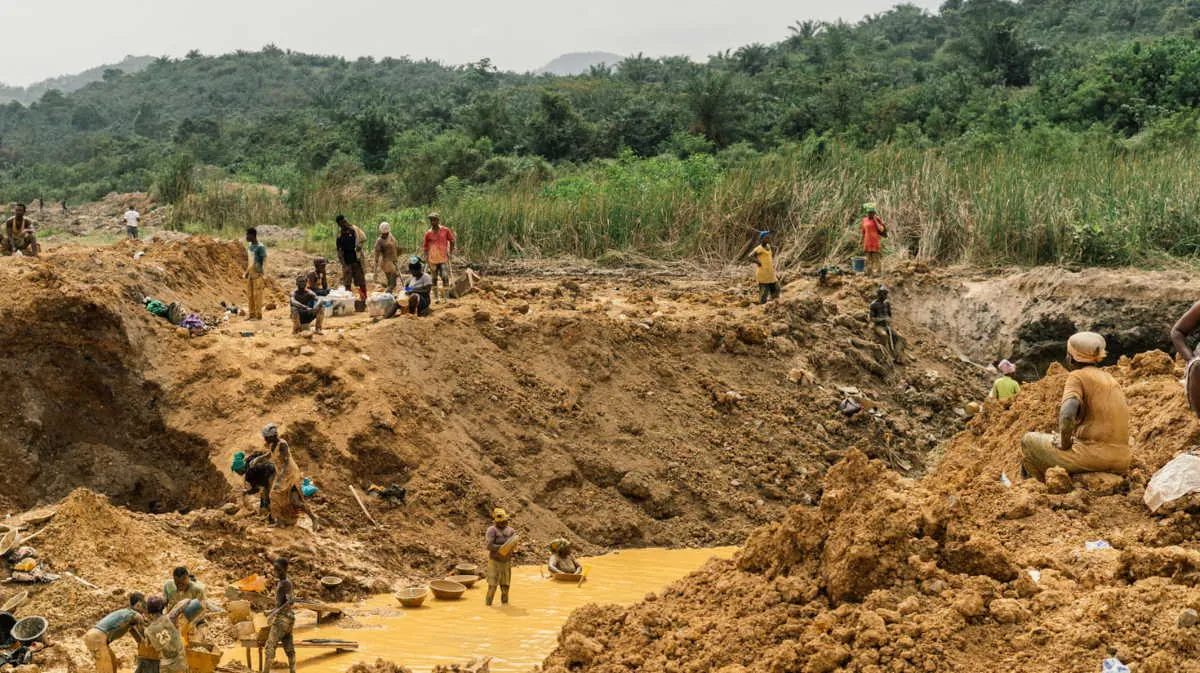
Photos: Nyankonton Aid Foundation.
Learn more
The short version is above. Open any section for the details, or download the full report below. For how heavy metals get into water and how filters remove them, read our brief on heavy metals and arsenic from mining.
The problemMercury and heavy metals in rivers people depend on
Galamsey is the local name for small-scale gold mining, much of it unregulated. In the Ashanti Region it has stripped land, clouded rivers with sediment, and released mercury, arsenic, lead and cadmium into water that communities drink and fish from. Mercury is the most worrying: it builds up in fish and can harm children’s development.
Filters communities can buildLocal materials, lab-checked results
The first goal is a simple protocol that lets communities make their own heavy-metal filters from locally available materials:
- Biochar made from local plants that are not contaminated
- Sand to hold back particles
- Scrap iron filings to bind arsenic and other metals
- Bone char to capture lead and cadmium
Each recipe will be tested in a laboratory before and after filtering, so we know how much of each metal it removes before we recommend it. A simple filter is not a guarantee of safe water, which is why testing comes first.
Mercury-free miningProven in the Philippines
The second goal is prevention. With our partner AppelGlobal, whose gravity methods (sluicing, panning and simple smelting) helped more than 500 mines in the Philippines stop using mercury, we plan to teach small-scale miners about the dangers of mercury and show them methods that recover gold without it. Miners adopt what pays, so the training focuses on how much gold the methods recover. We work with communities and legitimate small-scale miners, never with illegal operations.
ApprovalsWhat was approved, and by whom
In August 2026, Atwima Kwanwoma District issued an official letter accepting the partnership and offering support. Amansie West District accepted the project, and Bekwai Municipal Assembly approved it in principle. These are district-level approvals. The regional Health Directorate supports the work, but its formal letter needs national clearance, which can take time.
Who is involvedLocal partner leads; our volunteers support
- Nyankonton Aid Foundation (NAF), led by Executive Director Prince Afriyie, which holds a UN SDG partnership on galamsey pollution
- Dr. Louis Amegbletor, a Ghanaian environmental engineer who leads CWH’s Ghana work
- CWH mercury and water scientists, including Byran Fuhrmann and Stephen McCord
- AppelGlobal for mercury-free mining training
What’s nextAgreement, pilot communities, testing
- Inception meeting and a signed agreement with the districts
- Choose one or two pilot communities with NAF
- Sample water and fish to find the main way people are exposed
- Build and lab-test the first community filters
- Plan miner training with AppelGlobal
Project ReportGhana: Cleaner Water After GalamseyDownload the full project report
The pollution problem, the community filter approach, mercury-free mining, the approvals so far and the pilot plan. Updated September 2026.
The team behind it
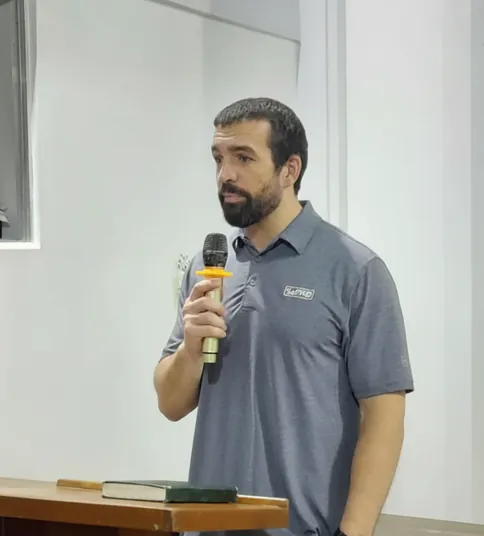
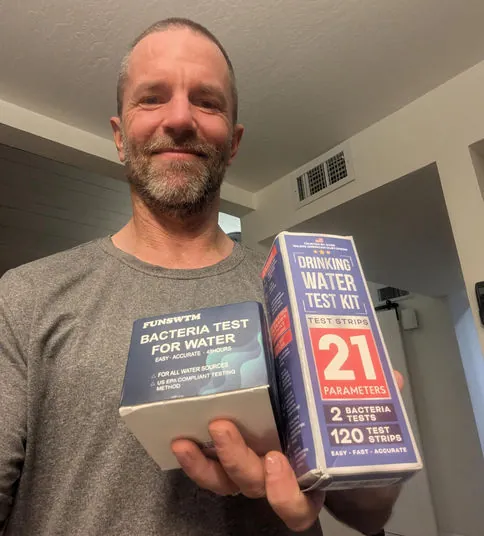
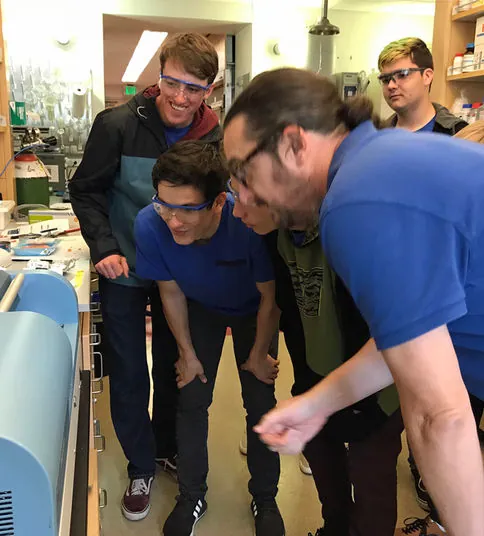
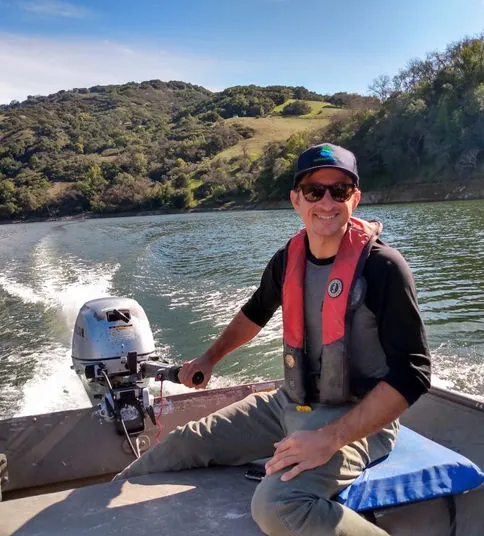
Volunteer scientists and engineers donating their expertise to this project. Click anyone to see their work.