Cyanide-Free Gold: A Pilot for Small-Scale Mines near Baguio
Small-scale miners around Baguio have already moved away from mercury. This report explains why cyanide is the next target, how our process was designed and reviewed, and how the full-scale pilot will be run and judged.
Clean Water Help is a 100% volunteer-run 501(c)(3) nonprofit (EIN 99-0765687). Founders cover all operating costs, so 100% of public donations go to projects. Numbers are current as of September 28, 2026. Photos are shared by partners with permission; names of private individuals are withheld. impact@cleanwaterhelp.org
At a glance
1 Executive summary
Clean Water Help met AppelGlobal and its local expert, Leoncio Na-oy, in January 2026 while looking for mercury-free mining methods for our Ghana project. Leoncio’s gravity methods helped more than 500 Philippine mines stop using mercury. In February 2026 our executive director visited small-scale mines near Baguio to see the cyanide step first-hand.
Between February and July 2026, CWH chemists developed and refined a thiosulfate-based process through 15 versions, supported by geochemical modeling and an independent technical review. The design focuses on copper-rich ore, a shorter processing cycle, gold capture on resin, and tailings that can be neutralized before discharge.
The project is now securing licenses and chemicals, with support from local government and the local small-scale mining association. The pilot is scheduled for early 2027.
What happens next
- Complete licensing and buy reagents, resin and safety equipment (gas monitors, aeration).
- Agree pilot dates and batch plan with Leoncio Na-oy and the host mine.
- Run full-scale batches (about 1.5 tons of ore) side by side with the normal cyanide process; compare recovery, time and cost.
- Test treated tailings and water before discharge.
- If results are promising, invite local universities to optimize the method with local government and the mining association.
Key numbers and how solid they are
Each number is labeled by its basis: Measured counted or tested, Reported reported by a partner or a document, Record from our own payments, contracts and correspondence, Estimate a calculation or assumption, Planned a plan or target, not yet done.
| Item | Value | Basis | Source |
|---|---|---|---|
| Small-scale mines around Baguio/Benguet | about 600 | Reported | AppelGlobal and local partners |
| Philippine mines moved off mercury with our partner’s methods | 500+ | Reported | AppelGlobal |
| Process versions | 15 (Feb–Jul 2026) | Record | CWH protocol files |
| Typical cyanide recovery on this ore | about 50–70% | Estimate | CWH analysis and literature |
| Target processing cycle | about 72 hours vs ~96 for cyanide | Planned | CWH protocol v14 |
| Pilot batch size | about 1.5 tons of ore | Planned | CWH plan, Sep 2026 |
| Research funding approved | $1,000 (+$250 travel) | Record | CWH board, Jul 20, 2026 |
2 Background and progress
Gold mining around Baguio
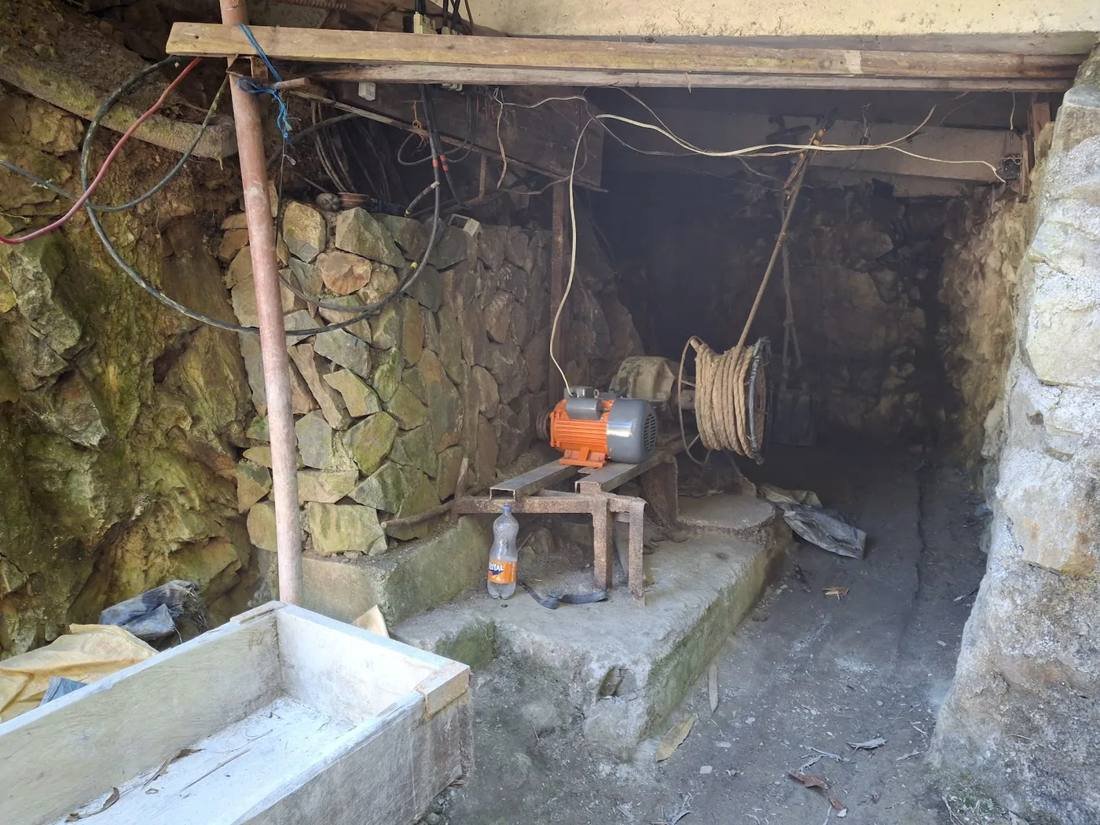
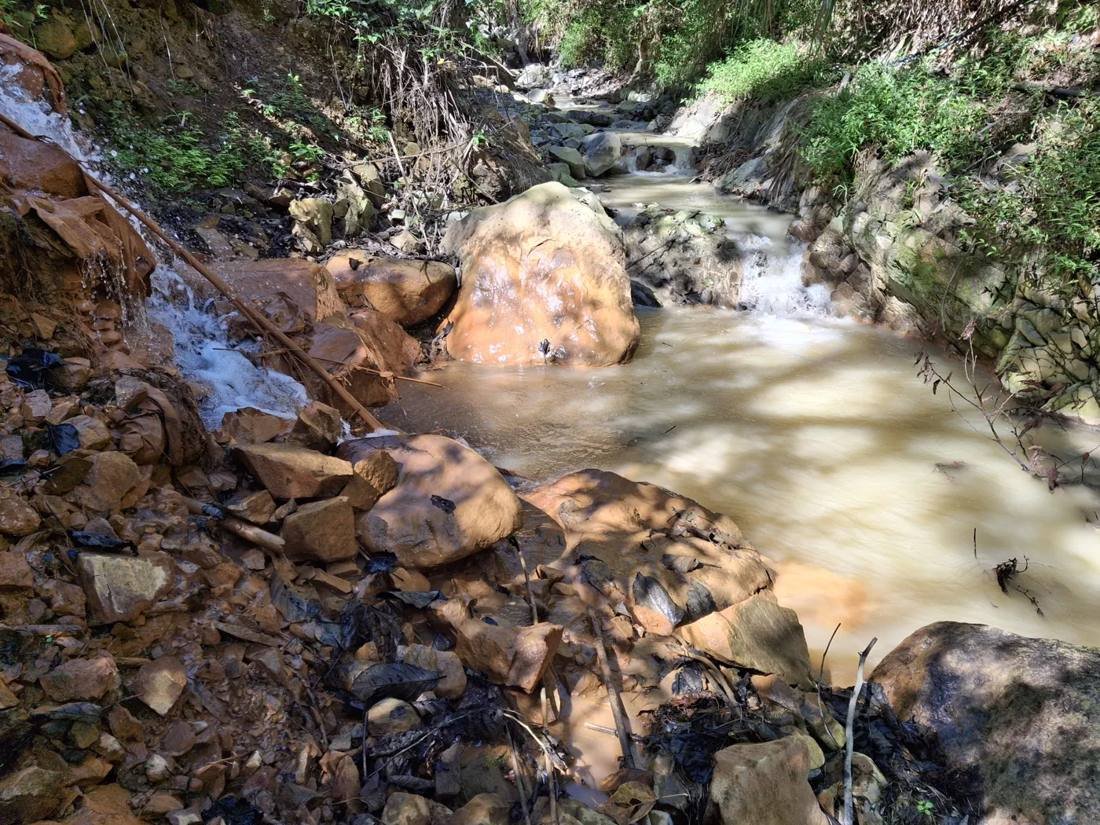
Small-scale gold mining is a major part of the local economy in Benguet Province, with roughly 600 small mines in the region. Miners first recover free gold by gravity methods, without mercury. The gold that remains is locked in copper-rich sulfide ore and is usually leached with cyanide. Cyanide waste, combined with acid mine drainage, can reach streams and rivers used downstream.
The partner
AppelGlobal works on mercury-free gold mining. Its local expert, Leoncio Na-oy, has about 40 years of experience and helped miners in the Philippines and elsewhere replace mercury with gravity methods. Only a handful of mines around Baguio still use mercury.
What we did
In February 2026, CWH’s executive director spent a week at small-scale mines near Baguio with Leoncio, observing the cyanide process and collecting information on the ore. CWH chemists then developed the process through 15 versions, with geochemical modeling by a CWH geochemist and an independent review of an early version by an outside geochemist in June 2026, which led to a simpler and safer design.
Timeline
- Jan 19–22, 2026First contact and call with AppelGlobal.
- Feb 9–13, 2026Site visit to small-scale mines near Baguio.
- Feb 23, 2026Early version of the method shared with partners.
- Mar 2026Chemistry meeting; geochemical modeling.
- May 2026Versions 12 and 13; one chemical route dropped for health reasons.
- Jun 9, 2026Independent technical review.
- Jun 21, 2026Version 14 package: procedure, decision guide, cost model.
- Jul 2026Version 15; board approves research funding; sourcing begins.
- Sep 2026Pilot scheduled for early 2027; licenses and chemicals in progress.
- Early 2027Side-by-side pilot at a working mine.
3 Technical foundation
Design goals
- Recover the gold locked in copper-rich ore without cyanide
- Match or beat cyanide on gold recovered per batch
- Shorter processing cycle, so more batches per month
- Reagent costs covered by extra recovery and throughput
- Tailings that can be neutralized and tested before discharge
Approach, in general terms
The process uses thiosulfate with a copper catalyst to dissolve gold, then captures the gold on an ion-exchange resin, which works even when copper levels are high. Gold is then recovered from the resin and smelted. We are not publishing operating details, doses or recipes until the pilot confirms the process is safe and effective.
How the pilot will be judged
| Measure | How |
|---|---|
| Gold recovered | Side-by-side batches of the same ore, thiosulfate vs cyanide |
| Processing time | Hours per batch |
| Cost | Reagent cost per batch vs value of extra gold |
| Safety | Gas monitoring, pH and temperature logs |
| Environment | Tailings and water tests before discharge |
Decisions and the options we set aside
| Decision | Options considered | Why |
|---|---|---|
| Thiosulfate route | Glycine, thiourea, phosphate and oxidation-only routes | Works at alkaline pH, suits copper-rich ore, gold can be captured on resin; thiourea dropped for health concerns. |
| Full-scale, side-by-side pilot | Laboratory tests only | Miners will adopt only what works on their own ore and economics. |
| Keep the recipe private for now | Publish the protocol immediately | Unproven methods can cause harm if copied; publish after the pilot. |
| Hand optimization to universities | CWH continues alone | Local institutions can sustain and adapt the method long term. |
Risks and how we respond
| Risk | Level | Response |
|---|---|---|
| Ammonia or hydrogen sulfide exposure | High | Gas monitors, aeration, trained operators, small first steps. |
| Lower recovery than expected | Medium | Batch-by-batch comparison; decision guide for adjustments. |
| Reagent supply and licensing | Medium | Multiple suppliers; local partner support; licenses before purchase. |
| Arsenic in the ore | Medium | pH control and tailings neutralization; testing before discharge. |
4 What we learned and what is still open
- Build on local success. Miners here already abandoned mercury when shown a better way; that is the model for cyanide.
- Outside review improves the work. An independent review made the design simpler and safer.
- Supply chains take time. Securing specialty chemicals in the Philippines took longer than the chemistry.
Open questions
- Will the process match cyanide recovery on real ore at full scale?
- What is the real cost per batch once reagents are bought locally?
- Which local universities are best placed to optimize and teach the method?
- Can the same approach help small-scale miners in Ghana?
5 How you can help
Help test a safer way to recover gold
Gifts fund pilot chemicals, safety equipment and water testing. We also welcome review from chemists, metallurgists and mining engineers.
- Contact: impact@cleanwaterhelp.org
- cleanwaterhelp.org/contact#partner
References and sources
- Clean Water Help. Gold extraction process development, versions 1–15 (February–July 2026). Internal; available to technical reviewers on request.
- Independent technical review of the version 12 method (June 9, 2026). Internal.
- AppelGlobal. appelglobal.com
- Clean Water Help board approvals, July 20, 2026.