All five students are sponsored. Classes begin October 15.
Status as of September 28, 2026
In June 2026, 33 students from Goma, in eastern DR Congo, applied through our partner PALPER. Volunteer reviewers ranked them and we awarded scholarships in August. When the government suspended the University of Goma in late August, we moved the program to ULPGL (Université Libre des Pays des Grands Lacs), one of the region’s leading private universities. Sponsors had covered all five students by September 22, and enrollment paperwork is being finalized.
- Design the programFeb–May 2026
- Select studentsJun–Aug 2026
- Enroll at ULPGLNow
- First year + mentoringOct 2026–Jul 2027
- PNG scholarshipsDec 2026–Jan 2027
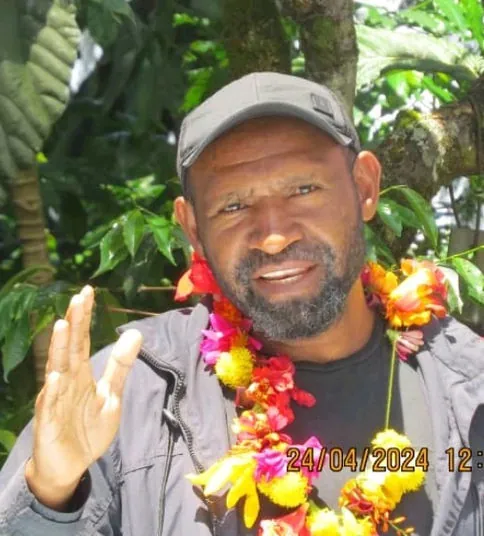
- Feb 2026Philip Wayaki Bongi, our PNG lead, proposes scholarships for young people in the Eastern Highlands.
- Apr 2026Mentoring and scholarship program announced to our volunteers.
- Jun 8–15, 202633 students from Goma apply online and on paper through PALPER.
- Jul 2026Volunteer reviewers rank applicants; agreements and a student guide written in English and French.
- Aug 19, 2026Scholarships awarded. Students and PALPER sign the agreements in late August and early September.
- Late Aug 2026The DR Congo government suspends the universities in Goma and Bukavu for 2026–27.
- Sep 21, 2026ULPGL confirms admission terms; CWH commits to fund five students there.
- Sep 22, 2026Sponsors cover all five students.
- Oct 15, 2026Classes start.
- Dec 2026–Jan 2027Applications from PNG’s Eastern Highlands, after year-12 results.
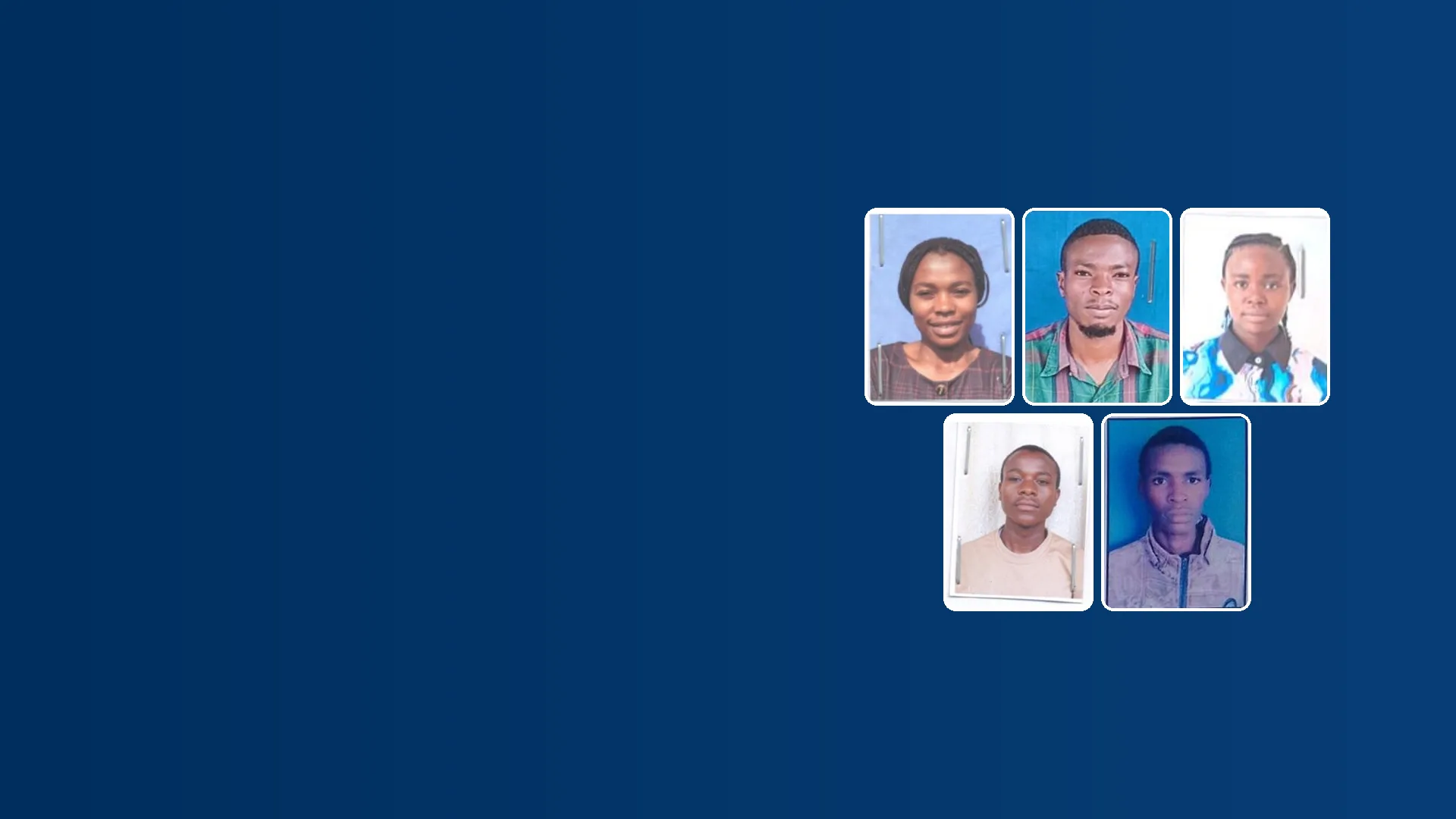
Meet the students
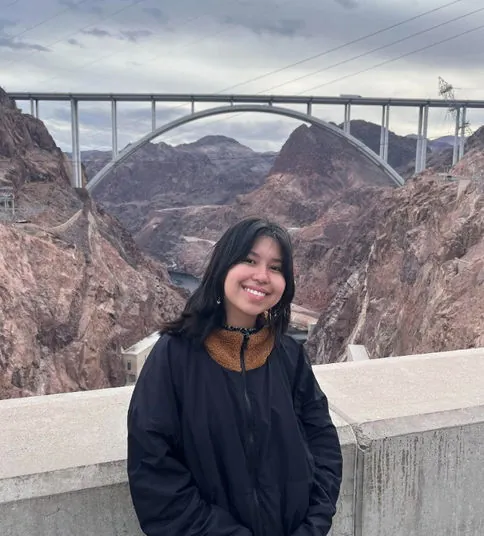
Shared with each student’s written permission. First names only.
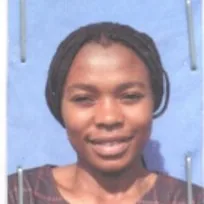
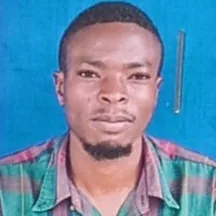
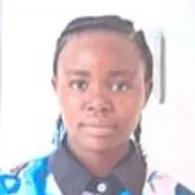
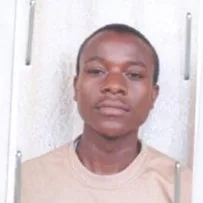
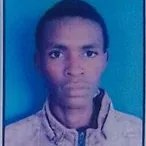
Every student has a sponsor. Thank you to our individual sponsors and to LakeTech, our first corporate sponsor, which is funding one student’s full first year.
Where our students come from
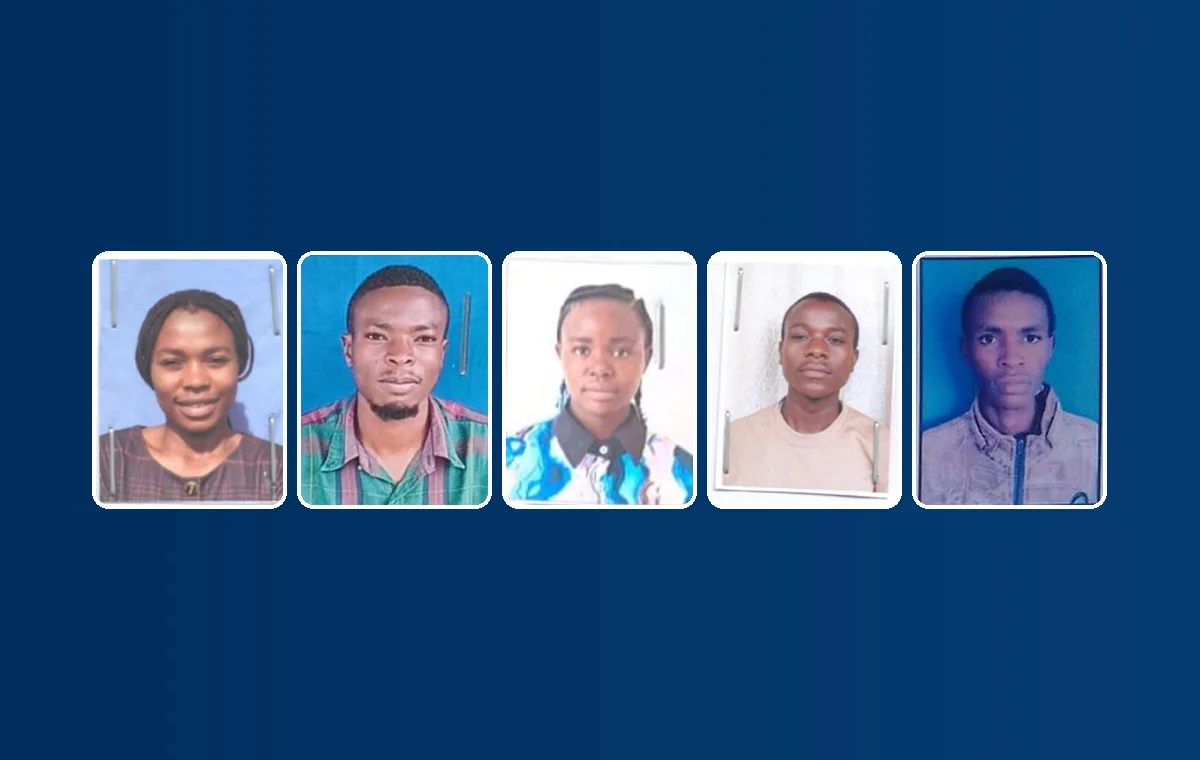
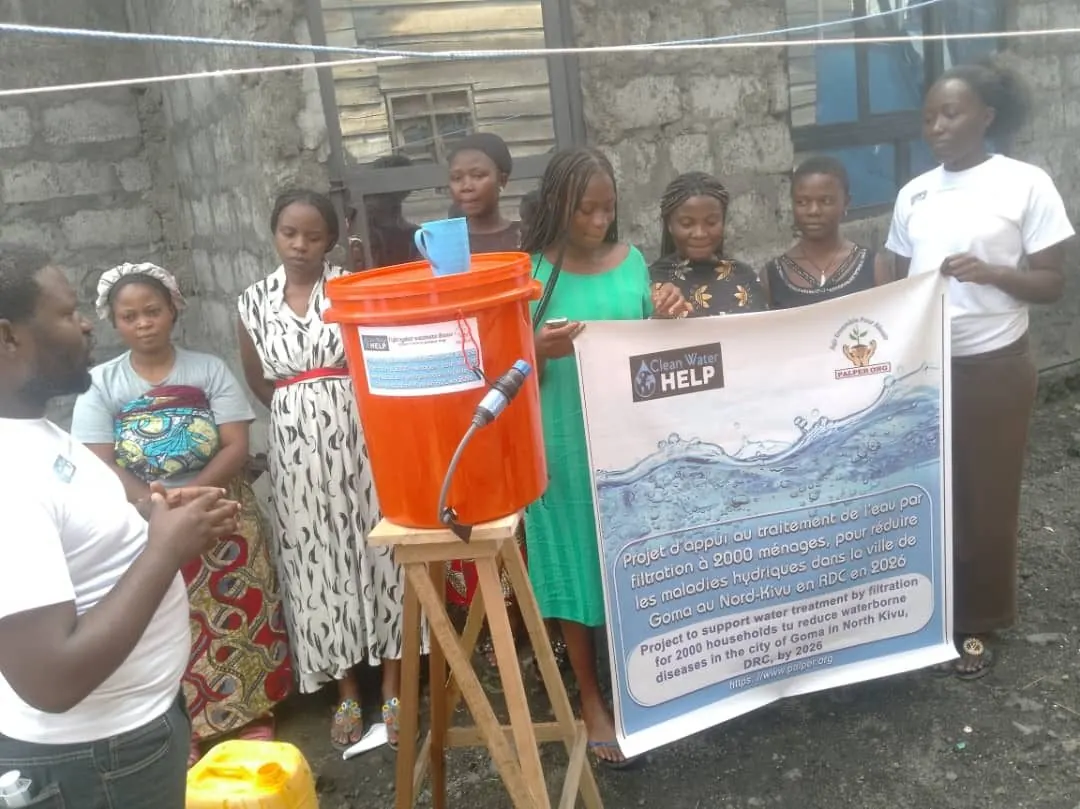
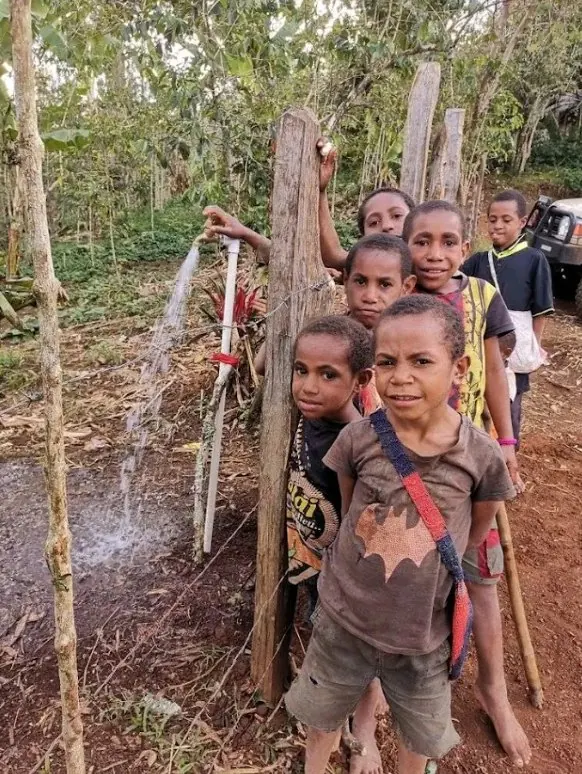
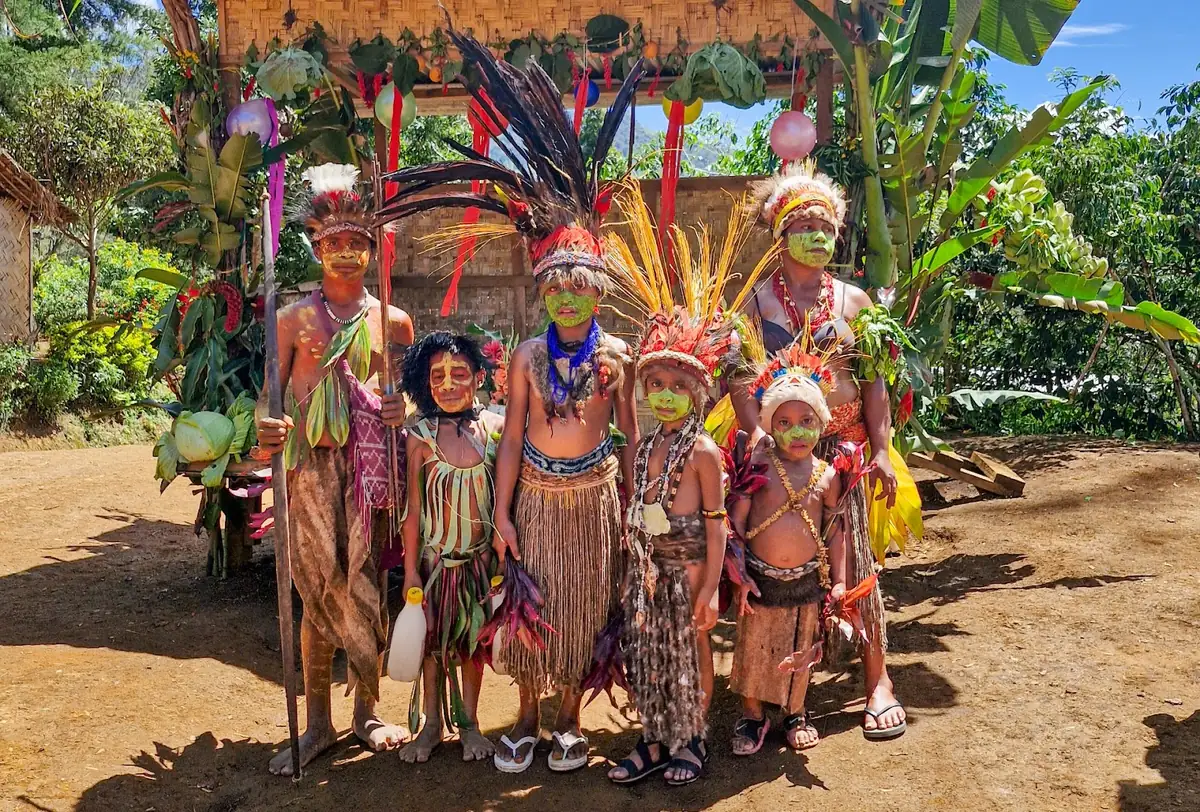
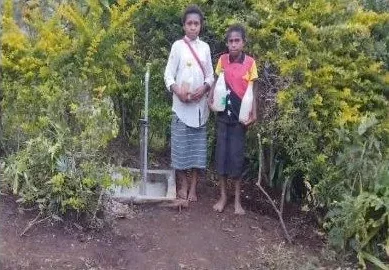
Photos: PALPER and Philip Wayaki Bongi. Student portraits shared with each student’s written permission.
Learn more
The short version is above. Open any section for the details, or download the program report below. To see why we sponsor students from water-poor communities, read our brief on investing in the future of clean water.
Why scholarshipsThe partners we rely on were once students who beat the odds
In the communities we serve, what stops capable students is tuition of a few hundred dollars a year and the need to earn money for their families.
Philip Wayaki Bongi, who leads our work in Papua New Guinea, went to university because donors paid his tuition when he was a young adult with no money. That changed his life, led him to a career in monitoring and evaluation, and is why he started a water project for his own community.
Local engineers and public health workers are the long-term fix. Scholarships build them one student at a time.
What a scholarship covers$1,500 per student per year
| Item | About |
|---|---|
| Tuition and registration | $500 |
| Books and supplies | $100 |
| Living stipend (about $100 a month for 9 months) | $900 |
| Total per year | $1,500 |
The stipend matters as much as tuition. Without it, most students would have to work to support their families and could not study full time. Payments go through PALPER in installments. The first is made once ULPGL accepts the student, and the January payment requires a passed first semester and regular contact with PALPER.
How students are chosenOpen applications, volunteer reviewers, clear rules
- Applicants must score at least 70% on DR Congo’s national state exam and plan to study a field that builds water and health expertise.
- PALPER collected applications online and on paper in June 2026; 33 students applied.
- A panel of CWH volunteers scored every application and averaged the rankings.
- All candidates and PALPER were checked against international sanctions lists.
- Sharing a student’s name, photo or story is optional and never a condition of the scholarship.
Why ULPGLThe University of Goma was suspended in August 2026
Our first plan was the public University of Goma. In late August 2026 the national government suspended university activity in Goma and Bukavu for the 2026–27 year, which put the students’ degrees at risk. We moved the program to ULPGL (Université Libre des Pays des Grands Lacs), a private university in Goma and one of the leading universities in the region.
ULPGL’s annual fees for civil engineering and public health run $490 to $625, depending on program and year. The award budgets about $500 for tuition and registration, and CWH covers any difference. Students with more than 70% on the state exam do not need to sit the entrance exam.
Mentoring and what we ask of studentsA volunteer mentor, an internship and good standing
- Each student will have a CWH volunteer scientist or engineer as a mentor.
- In 2027, students join PALPER for an internship to see water and health work in practice.
- Students share semester results and stay in regular contact with PALPER; the January payment depends on both.
- Awards are made one year at a time. Our goal is to support each student through graduation, at $1,500 a year: four years for civil engineering and three for public health.
Papua New Guinea is nextApplications open after year-12 results
Philip Wayaki Bongi is gathering applications from young adults in the Eastern Highlands, through social media and paper forms for students without internet access. The main window runs from December 2026 to January 2027. Each scholarship is $1,500 per student per year, the same as in DR Congo.
 Project ReportScholarships for DR Congo Students
Download the full project report
How the program works, how students were chosen, why we moved to ULPGL, what each scholarship pays for, and the plan for Papua New Guinea. Updated September 2026.
The team behind it
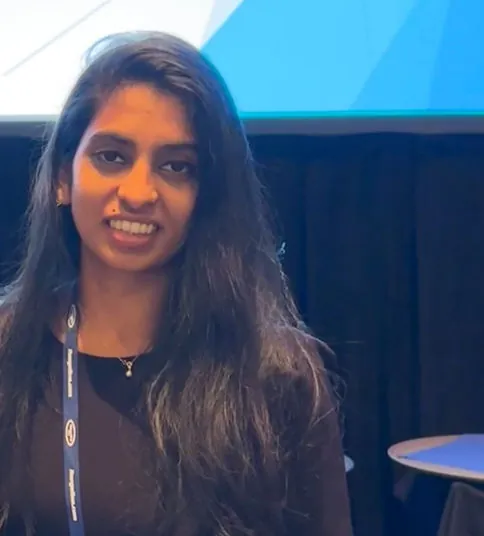
Volunteer scientists and engineers donating their expertise to this project. Click anyone to see their work.