Design support while construction continues.
Status as of September 28, 2026
The town’s water supply is unreliable, tap water can smell of sewage, and the lake region has natural arsenic. Our volunteers are advising GOLD on the water source (a new well is being bid), water testing, and a two-stage disinfection system. We act as on-call technical advisors; GOLD leads the project.
- Site visit & planJul–Aug 2025
- Choose the water sourceNow
- Design treatmentNext
- Install & trainLater
- May 2025A GOLD volunteer contacts us: “the most basic need is water.”
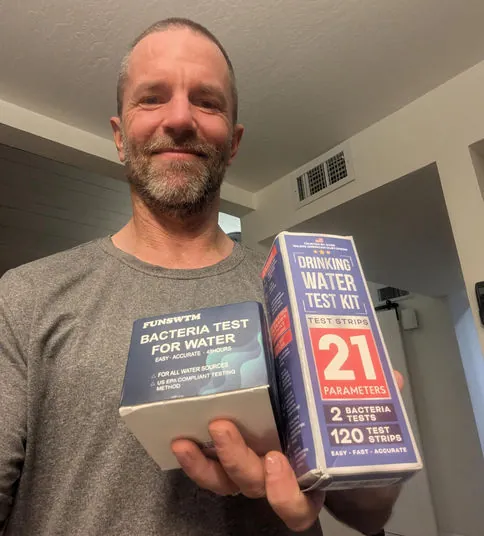
- Jul 25, 2025CWH President Dr. Stephen McCord visits Cerro de Oro with water test kits.
- Aug 2025A path-to-clean-water plan and site recommendations shared with GOLD.
- Jan–Mar 2026GOLD renovates a building for the health center; a CWH advisory group forms.
- Jul 2026Dry season: the town supply fails. We recommend fine filtration plus UV and testing a nearby well.
- Aug 2026CWH offers to subsidize the extra cost of two-stage disinfection (UV plus ultrafiltration).
- NowWaiting on a second well bid before the treatment design is finalized.
From the field
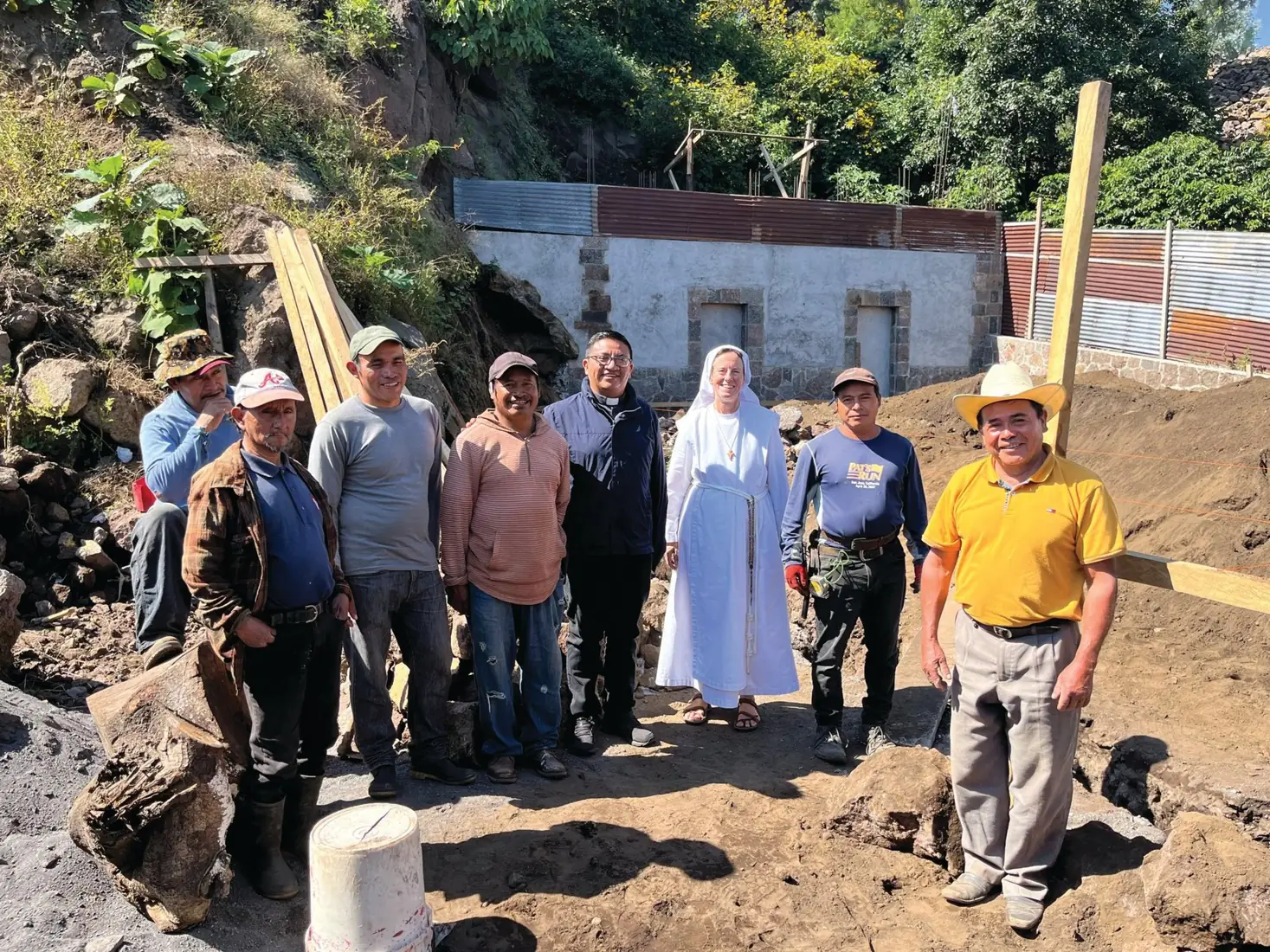
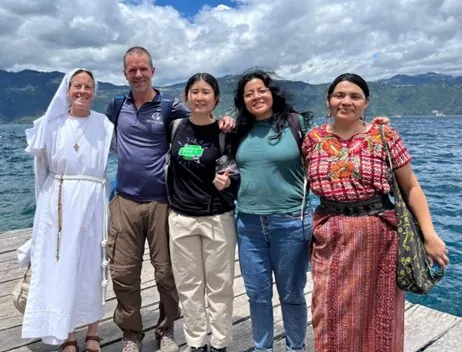
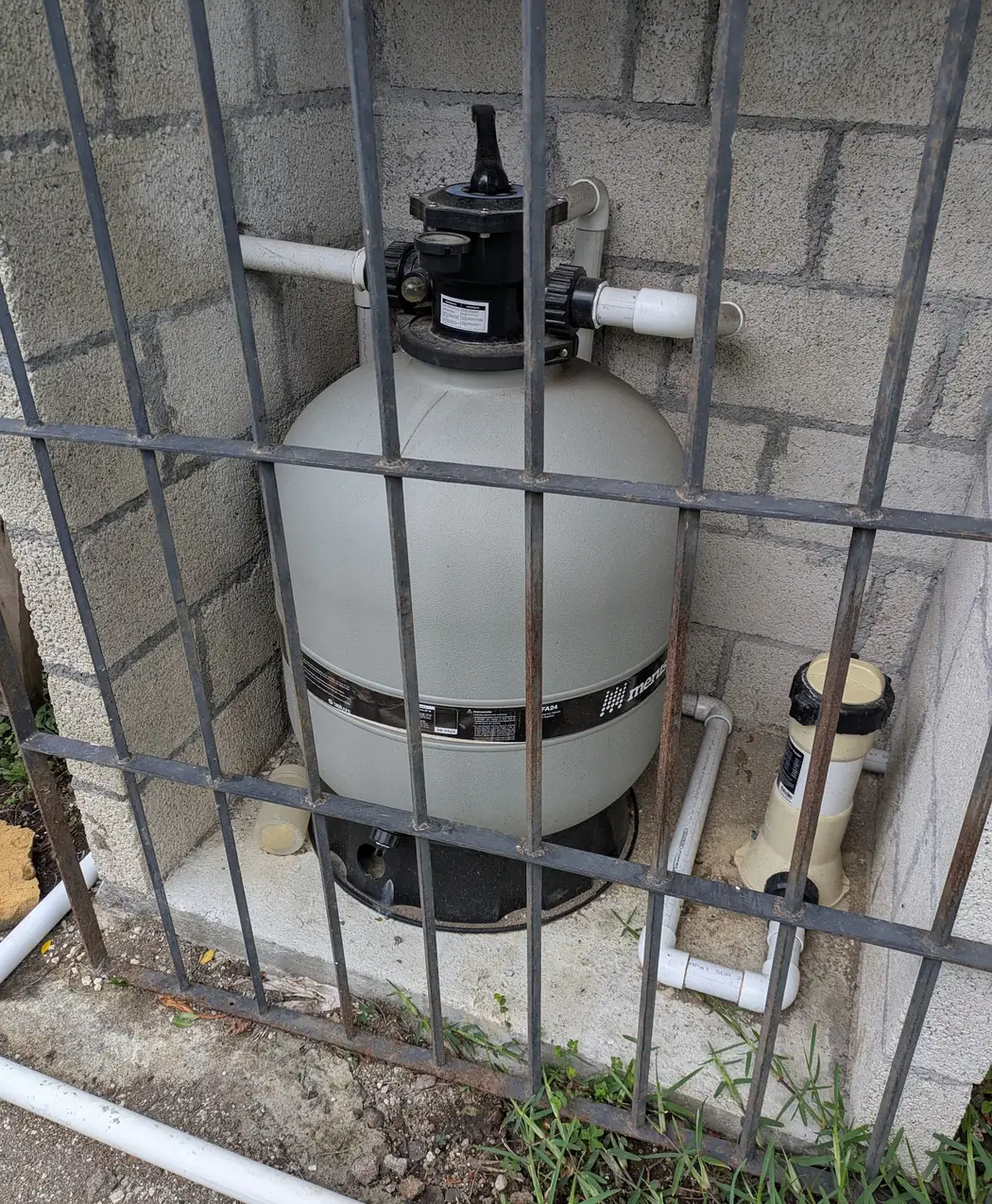
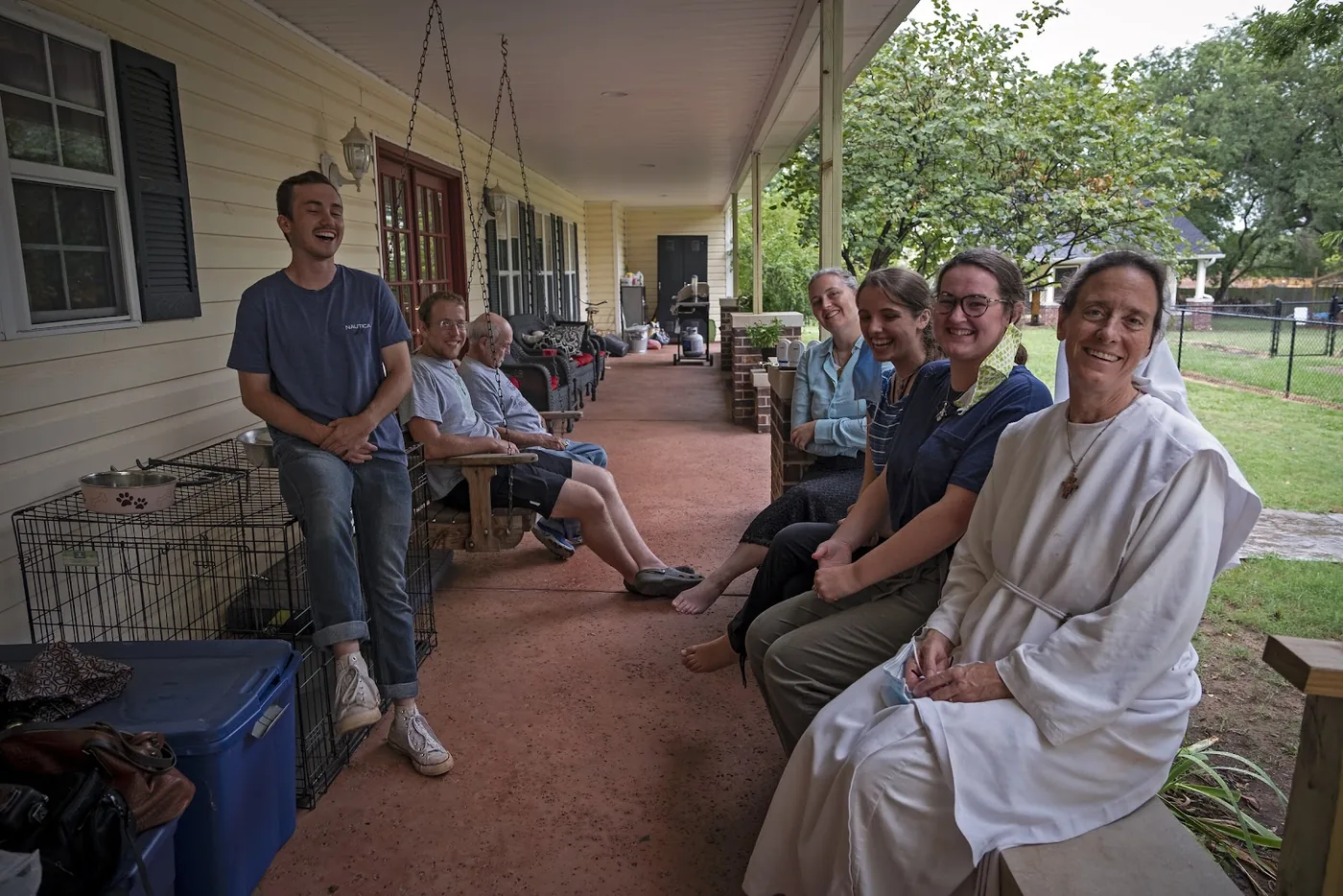
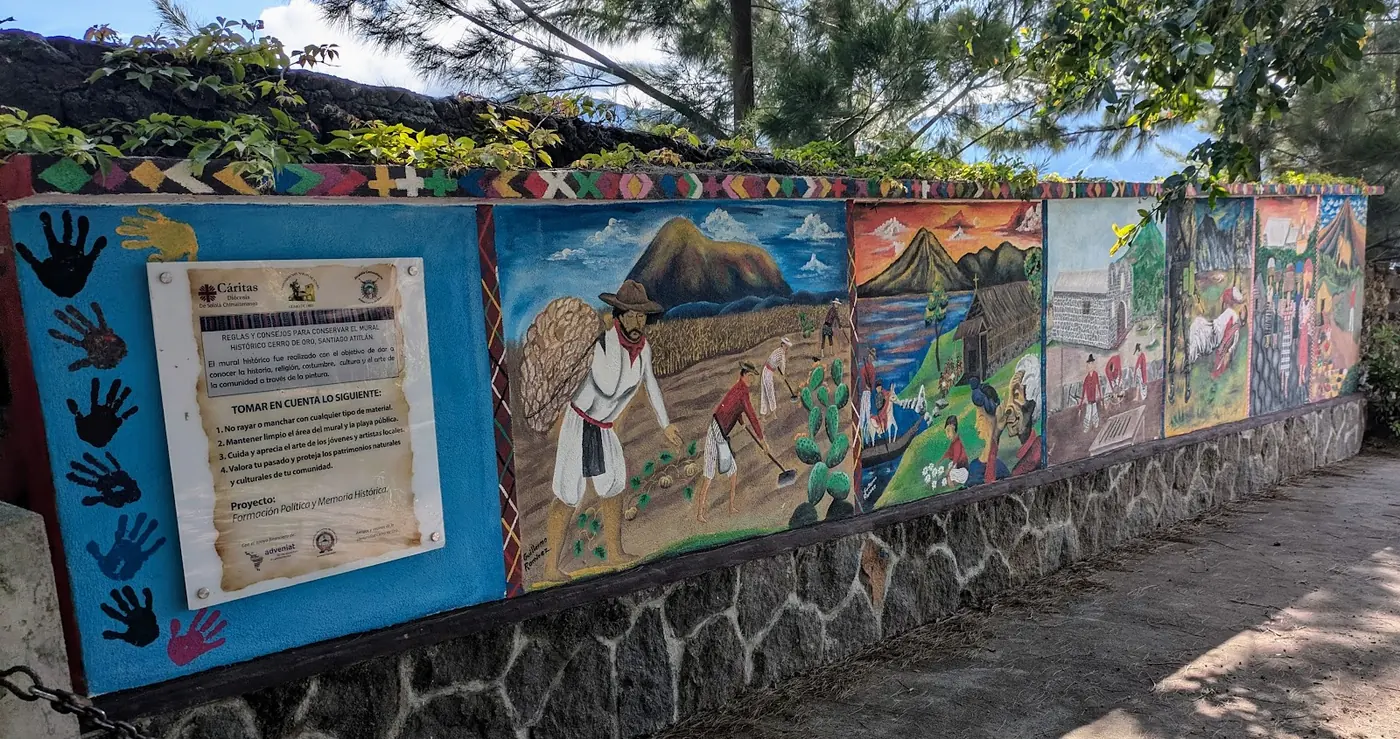
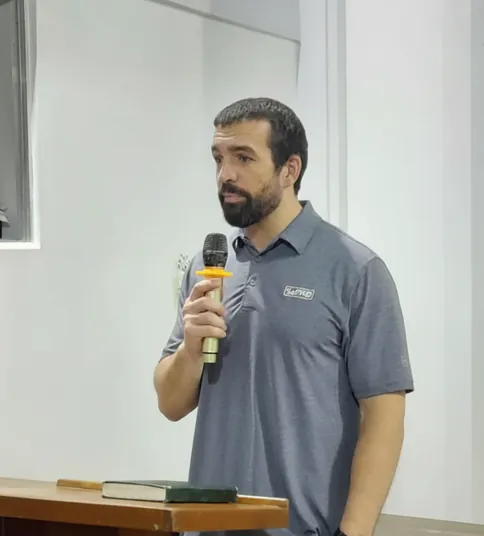
Photos: GOLD and Clean Water Help.
Learn more
The short version is above. Open any section for the details, or download the full report below. For the science behind this system, read our brief on ultrafiltration and combined treatment.
The challengeUnreliable supply, sewage risk and natural arsenic
Cerro de Oro, a largely Tz’utujil Maya town of about 9,000 people on the south shore of Lake Atitlán, gets municipal water only a few hours a week. In July 2026, when the lake pump broke during a dry spell, it delivered none at all. Buildings use septic pits, so tap water can smell of sewage, and the volcanic lake region has natural arsenic and other metals.
Reliable disinfection matters most for people at the end of life.
What we are designingTwo barriers, simple to run
- A reliable source first: GOLD is getting bids for a well on the hospice property
- Fine filtration (1 micron) or ultrafiltration, then UV disinfection, feeding a storage tank
- Water tests for bacteria, arsenic and other metals through a local university lab
- A simple operation and maintenance guide for hospice staff
Our roleOn-call technical advisors
GOLD and its volunteers lead the hospice project and are doing the building. Clean Water Help volunteers answer technical questions, recommend and specify the treatment system, help with testing, and have offered to subsidize the extra cost of two-stage disinfection.
What’s nextWell decision, then treatment design
- GOLD receives a second well bid and decides on drilling
- Test water from a nearby well of similar depth
- CWH finalizes the treatment specification and operation guide
- Sister Maria returns to Cerro de Oro in November 2026
Project ReportGuatemala: Safe Water for a HospiceDownload the full project report
The water challenges in Cerro de Oro, treatment options, testing plan and our advisory role. Updated September 2026.
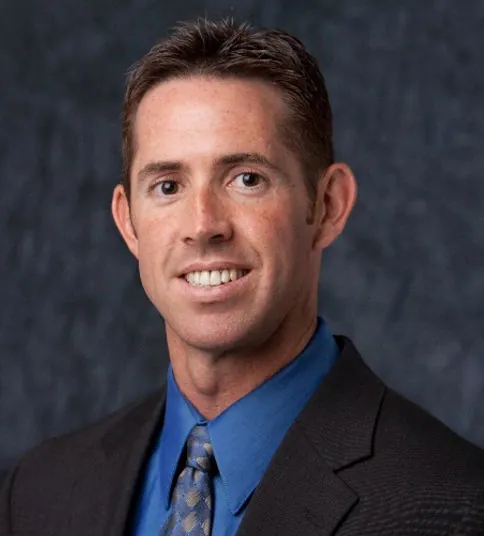
The team behind it
Volunteer scientists and engineers donating their expertise to this project. Click anyone to see their work.