Pilot complete. Scaling up to 60 filters by early 2027.
Status as of September 28, 2026
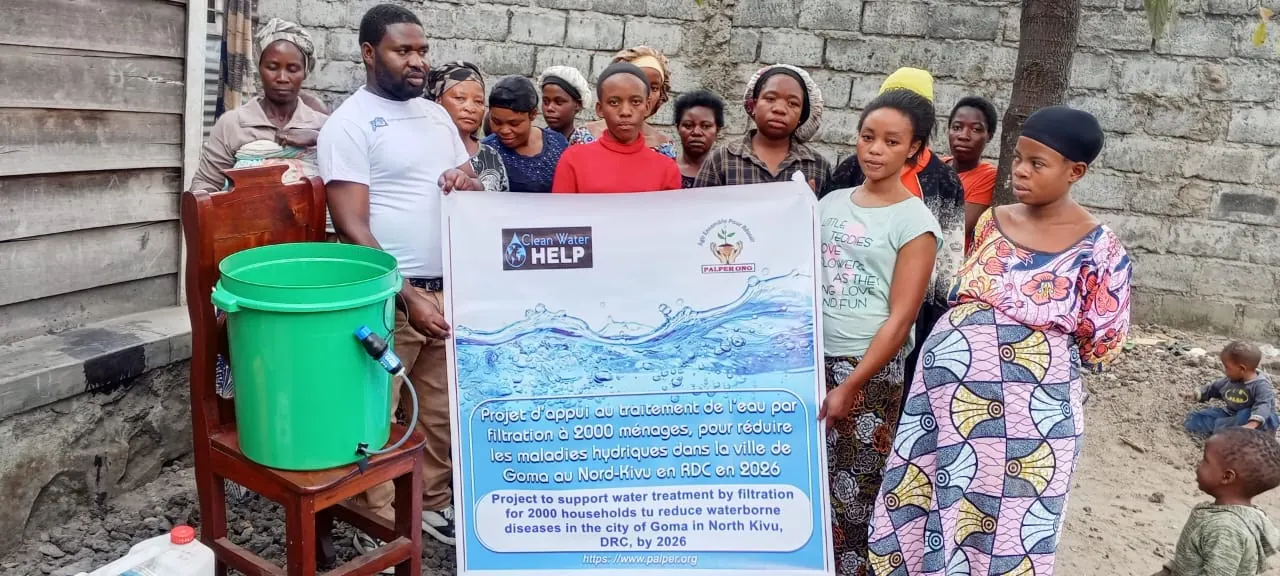
PALPER installed the first 10 filters in two phases between June and August 2026. Each filter is shared by five households, about 25 people, so the pilot reaches about 250 people. The community response was strong enough that our board approved 50 more filters in September. The first 10 of those are paid for and on their way to Goma by truck from Kenya.
- Partner & planSep–Dec 2025
- Pilot: 10 filtersMay–Aug 2026
- Scale-up: 50 moreNow
- Bring source water closerPlanning
- Sep 2025PALPER, a Congolese NGO, asks to partner. First call on September 21.
- Oct 2025DR Congo project page and GoFundMe launch.
- Dec 2025Kickoff meeting; volunteer funding, operations and technical teams formed.
- May 18, 2026The first 10 Sawyer gravity filters arrive in Goma by truck from Kenya.
- Jun 2026Filter-use and monitoring protocols finalized in English and French; training with PALPER.
- Jun–Aug 2026Two installation phases: 50 households, about 250 people, in five Goma neighborhoods.
- Sep 2026Board approves 50 more filters. Filters 11–20 paid on September 21 and in transit.
- NextInstall filters 11–60 (about 1,500 people) by early 2027, then grow to about 5,000 people by the end of 2027.
Filter by filter: safe water comes to DR Congo (Goma)
Scroll from the map of Africa to five neighborhoods of Goma, watch PALPER install the first filters, and read the letter residents wrote asking for more.
Read the full story →From the field
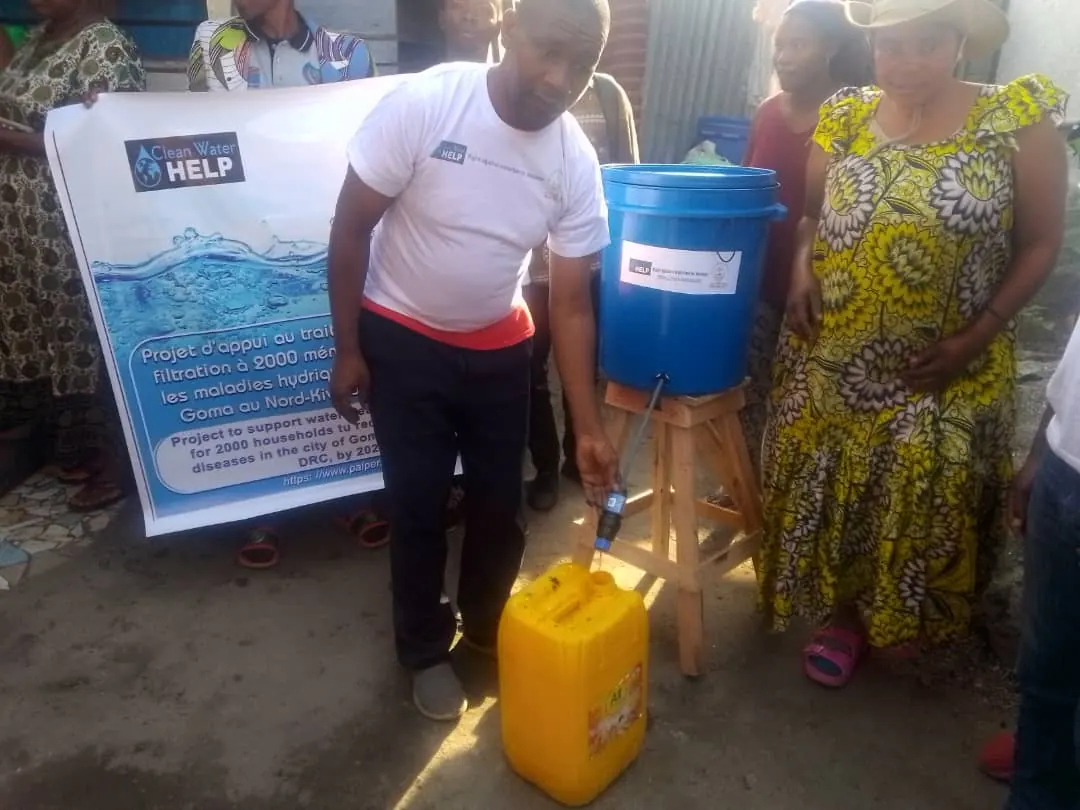
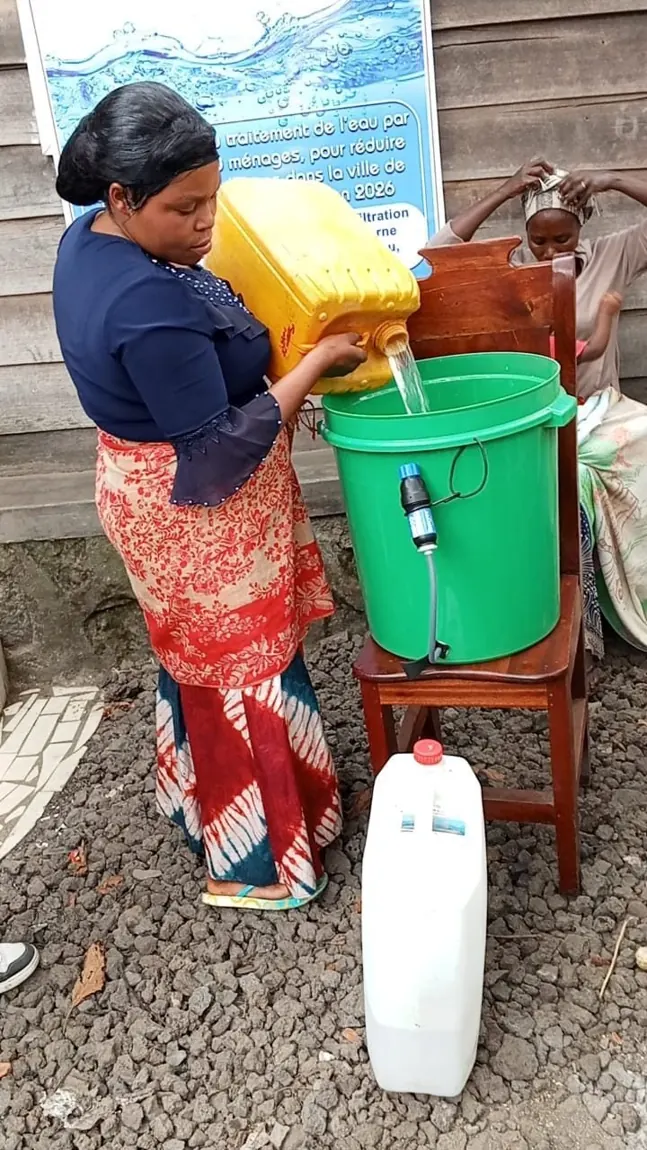
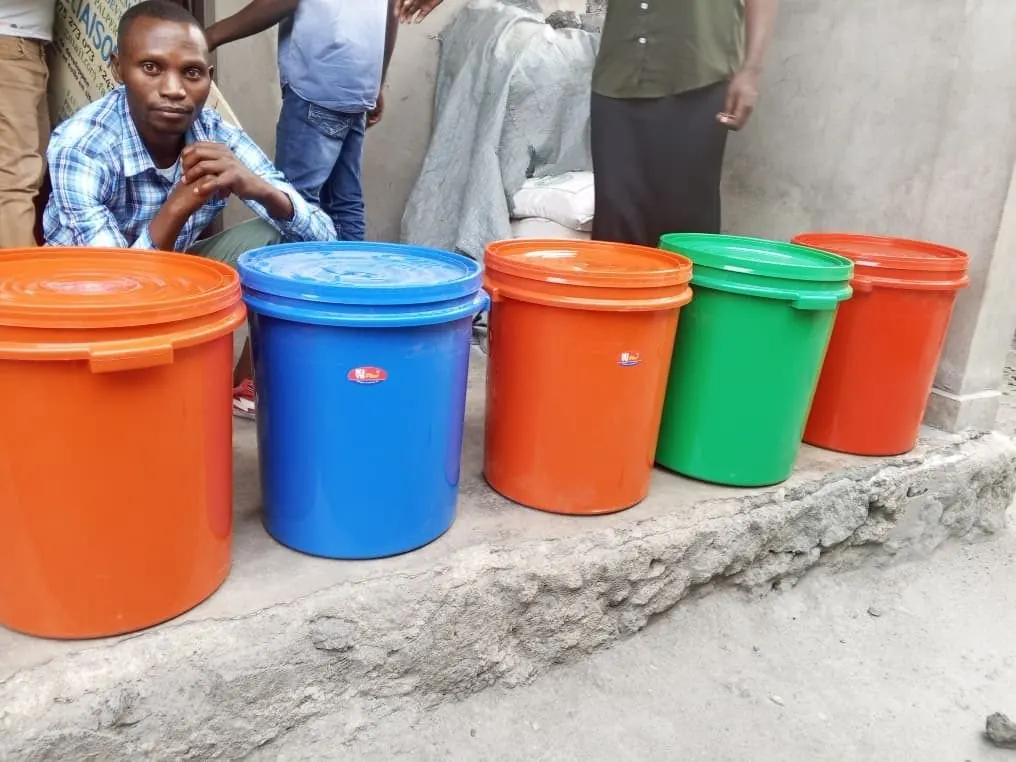
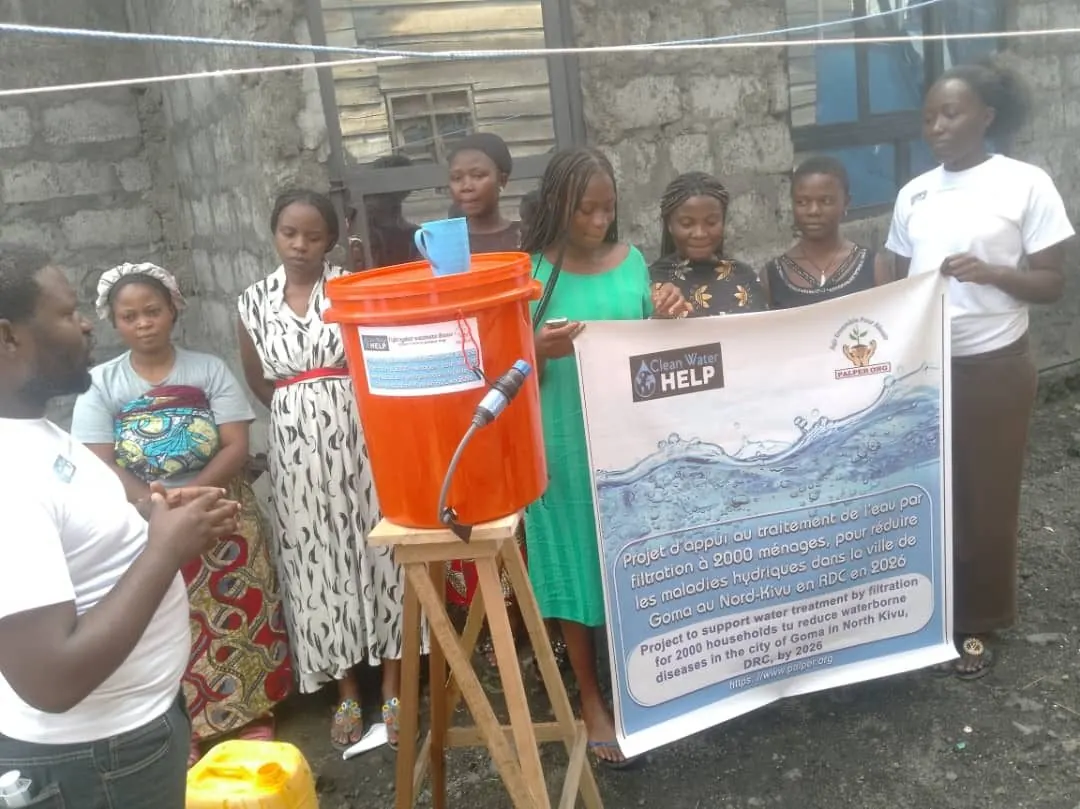
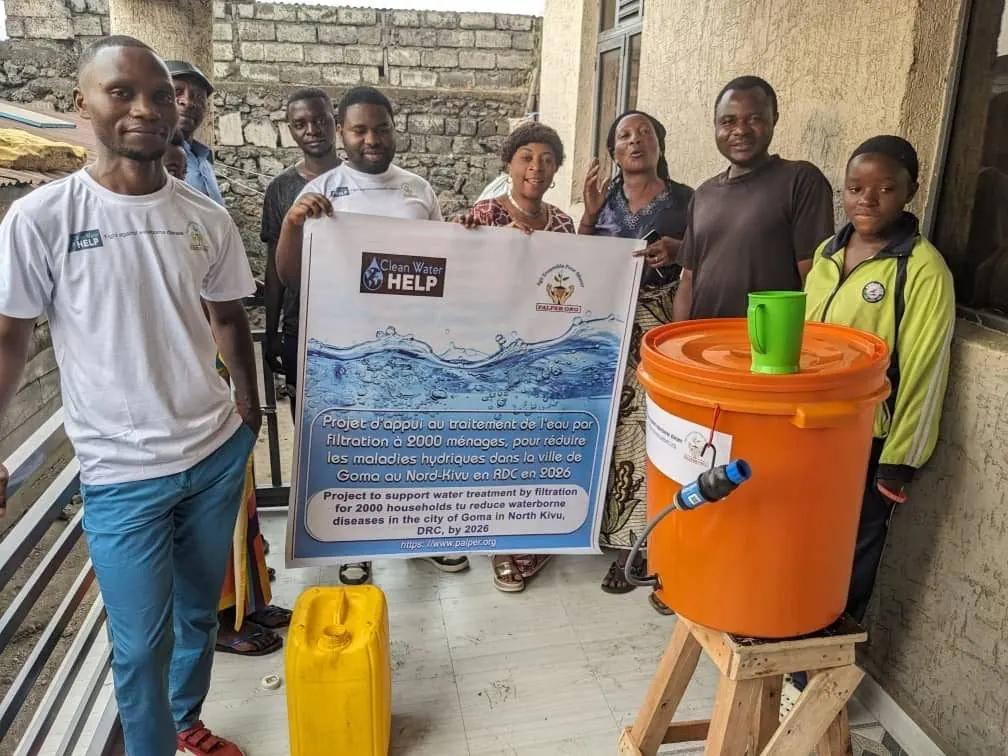
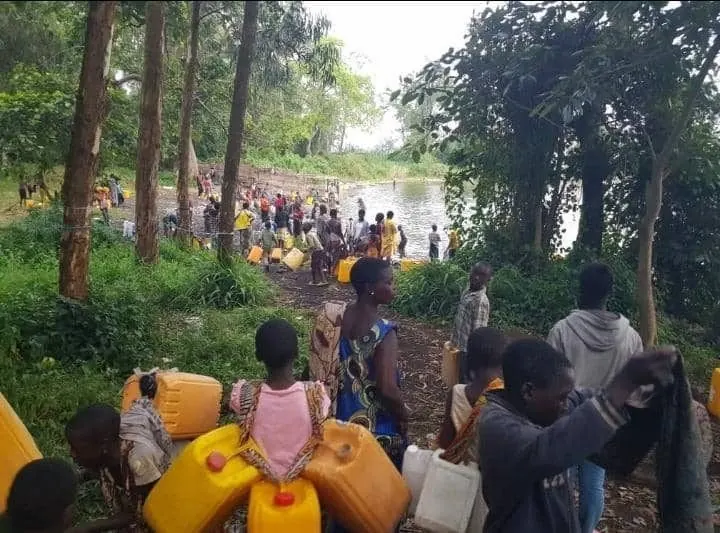
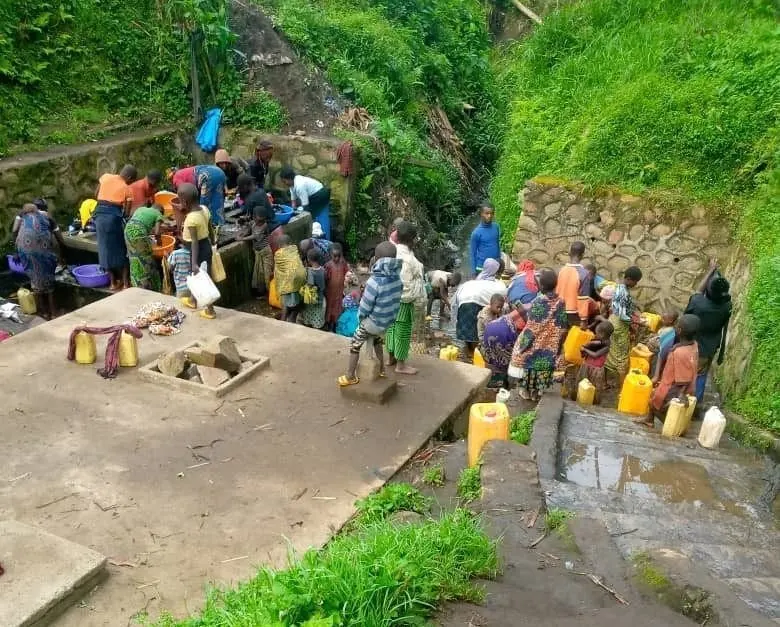
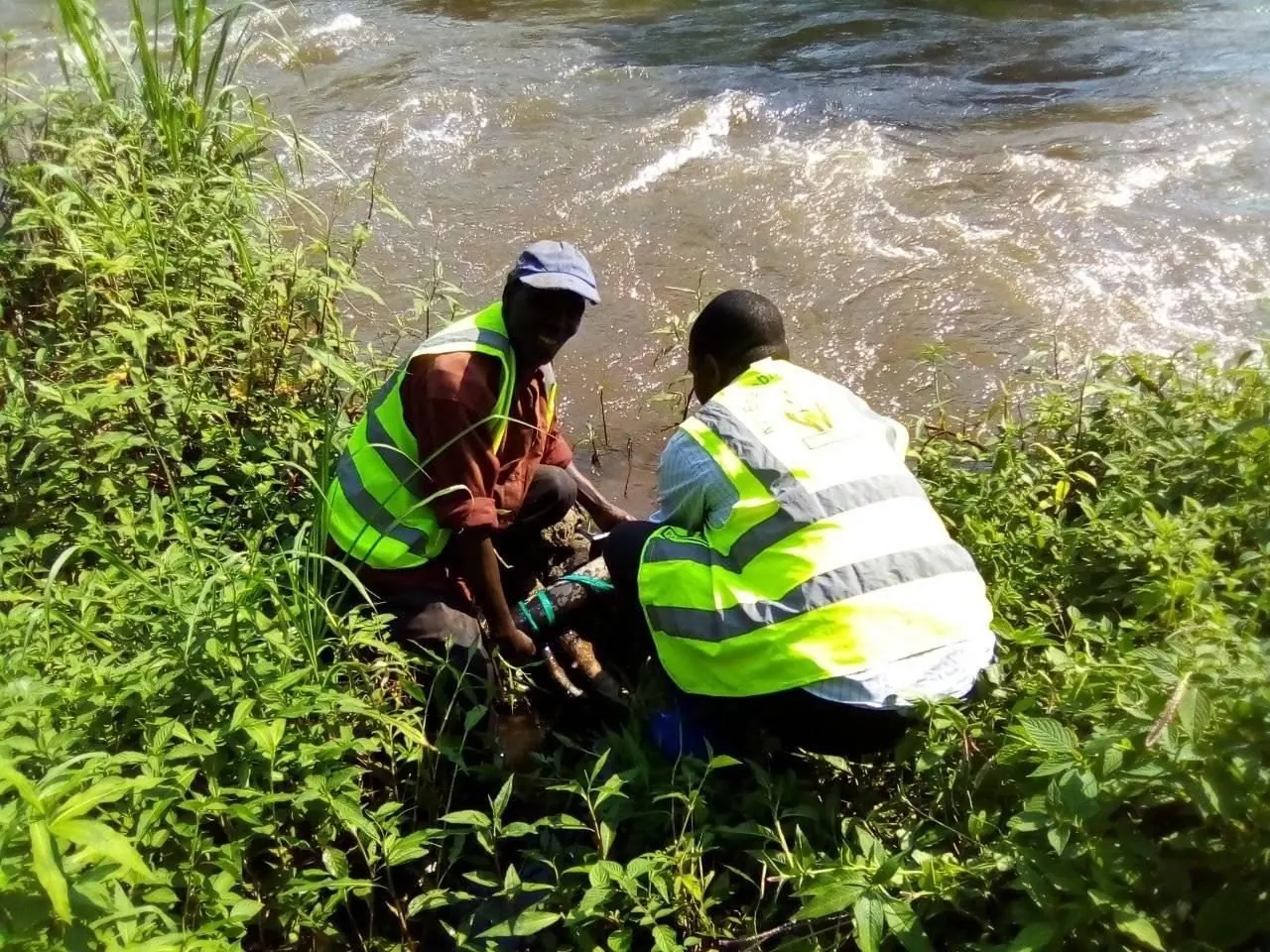
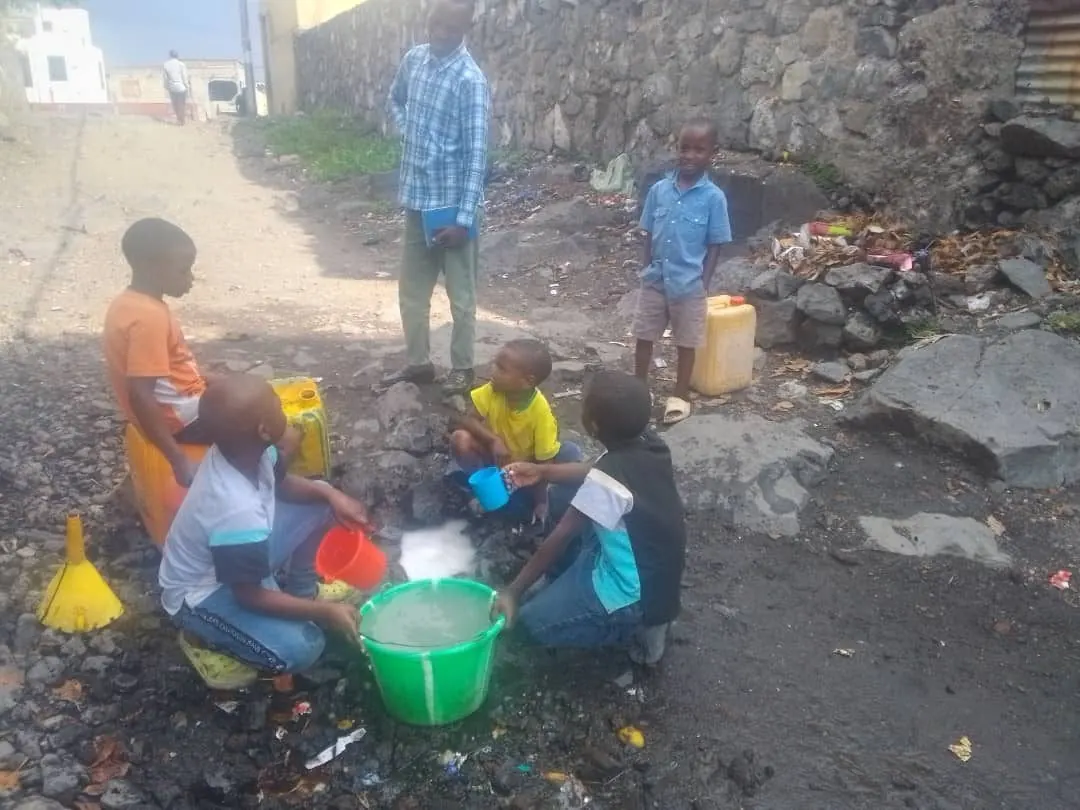
Photos: PALPER. Shared with permission.
Learn more
The short version is above. Open any section for the details, or download the full report below. For the science behind these filters, read our brief on gravity and biosand filters.
The challengeWhy Goma needs safe water close to home
North Kivu has lived through years of armed conflict, displacement and disease outbreaks, including cholera and Ebola. Many families in Goma drink untreated water from the lake, streams or rain barrels, and waterborne diseases like cholera, typhoid and amoebic dysentery are common.
Water is also a safety issue. Walking long distances to collect it exposes women and children to violence. PALPER’s own survey of one nearby health zone found only 11 of 174 water sources (6.3%) developed and working.
Goma sits on volcanic rock, so drilling wells is not practical, and there is no piped supply in the neighborhoods we serve.
How the filters work0.1 micron membranes, no power, no chemicals
Each system is a Sawyer gravity filter fitted to a 20 to 25 liter bucket on a wooden stand. Water poured into the bucket flows through hollow-fiber membranes with 0.1 micron pores, small enough to block the bacteria and protozoa that cause cholera, typhoid and dysentery.
- No electricity, chemicals or spare parts to buy
- Backwashed with a syringe after about every 20 liters to keep the flow up
- Rated by the manufacturer for years of daily use when maintained
- One filter is shared by five households (about 25 people)
These filters target bacteria and protozoa. They are not a reliable barrier to viruses or dissolved chemicals. Safe storage and correct use remain important. Very muddy water clogs the membranes faster; Goma’s water sources are mostly clear, which is why this filter fits here.
Who does whatPALPER leads; our volunteers design, fund and advise
- Chose the filter and wrote the use and monitoring protocols (English and French)
- Buy the filters and pay for delivery by truck from Kenya
- Reimburse PALPER’s field costs: buckets, stands, training, transport
- Write grants and find new partners
- Chooses households and neighborhoods with the greatest need
- Installs each filter and trains every family
- Collects monitoring data on paper forms
- Reports each phase with photos and costs
What we learnedTwo filter types ordered, one never arrived
We ordered two kinds of filters for the pilot: Sawyer gravity filters from a distributor in Kenya, and a small batch of hand-pump ultrafiltration units from China. The Sawyer filters arrived by truck in about four weeks. The hand-pump units were flown to Kinshasa and never reached Goma, about 2,500 km away, because of the conflict and an Ebola outbreak.
The lesson changed our supply chain: we now buy inside Africa and ship by truck in batches of 10. We also put household chlorine on hold because of the risk of overdosing, an unreliable supply and the taste. The filters already remove the bacteria and protozoa that matter most here.
What it costsAbout $80 per filter, all-in, or about $3.20 per person
| Item | Cost |
|---|---|
| Gravity membrane filter | about $50 |
| Delivery, installation, training and materials (bucket, stand) | about $30 |
| Total per filter, all-in | about $80 |
| People served per filter (5 households) | about 25 |
| Expected filter life | about 5 years |
| Cost per person | about $3.20 (about $0.64 a year) |
| Estimated cost per life saved | about $1,000 (how we estimate it) |
| Next 50 filters | about $4,000 |
These are estimates. 100% of public donations to this project pay for filters, delivery and PALPER’s field work. Our founders cover all operating costs.
What’s nextMore filters for about 5,000 people, then source water
- Install filters 11 to 60 in batches of 10 as each truck arrives, reaching about 1,500 people by early 2027. Then grow to about 5,000 people by the end of 2027.
- Track each filter’s users, backwashing and illness reports on PALPER’s forms
- After the filter rollout, buy a used truck, a pump and a collapsible water tank so PALPER can collect lake water in bulk and deliver it to families to filter. Any delivery plan must not undercut local water sellers.
- Find more funders and partners, and write grants in PALPER’s name
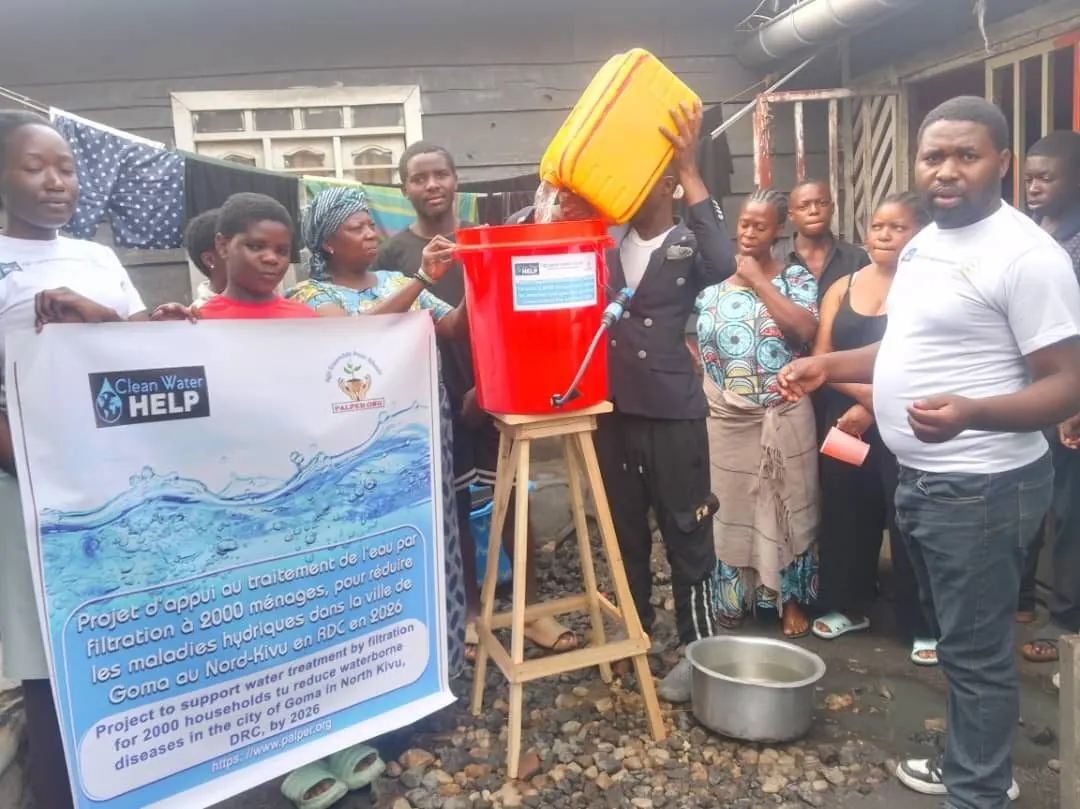 Project ReportDR Congo: Gravity Filters with PALPER
Download the full project report
Everything behind this page: the partnership, a dated timeline, how the filters work, costs, monitoring, what we learned and what comes next. Updated September 2026.
The team behind it
Volunteer scientists and engineers donating their expertise to this project. Click anyone to see their work.