How We Fund This Work
Mining-pollution remediation is harder, slower, and riskier than installing pathogen filters or distributing vitamins. A scientific trial can fail. A community can decide an intervention isn't a fit. A new contamination pathway can surface mid-project. The same hundred dollars that delivers a shared gravity filter for five families could fund a research trial that produces no measurable outcome for two years and then transforms a community for two decades.
We're transparent about that asymmetry. Detoxification work is funded differently from our clean drinking water work, and the structure is deliberate.
The Two-Stage Pipeline
Stage 1: Founder & Volunteer Funded
What it is: field chemistry assessment, lab analysis, partner identification, and small-scale research trials in collaboration with local NGOs and miners.
How it's paid for: our founders and volunteer scientists fund this stage out of pocket and through donated expertise. Small research budgets approved by our board, and gifts made to a specific project such as Baguio or Ghana, cover pilot costs like chemicals and water testing.
Why we do it this way: until we've shown that an intervention works in a specific community context, the fundraising case doesn't exist. We make the case first. We ask for capital second.
Stage 2: Grant & Foundation Funded
What it is: validation, implementation, and scaling of an intervention that has been de-risked through Stage 1 research. Multi-community deployments, long-term monitoring, partnership infrastructure.
How it's paid for: $10K–$1M+ commitments from foundations, government agencies, international NGOs, and sustainable-development organizations.
Why this capital source: patient, willing to absorb research variance, oriented to long-term sustainable-development outcomes. The right risk profile for the work.
Why This Work Relies on Pooled, Long-Term Funding
Heavy-metal work pays off on a longer timeline than a filter does. A shared gravity membrane filter serves five families from the day it arrives. A remediation trial can take years to show results. So the largest costs of this work are pooled from funders who can carry that timeline.
Heavy-metal source control, when it works, generates a long-term ROI exceeding 20:1. For bioaccumulative neurotoxins like mercury and lead, ROIs above 100:1 are documented in the public health literature. The work matters enormously. But variance is high, and some research trials fail outright. Time horizons are long, often 5 to 20 years to verifiable outcome. Per-dollar attribution is messy. Foundations and agencies can carry that risk and timeline. Every donor deserves clarity about both the impact and the risk.
Foundations, government agencies, international NGOs, and sustainable-development organizations: if you fund this kind of work, get in touch about a partnership. Two projects are ready for this kind of capital. Our Baguio cyanide-free gold pilot in the Philippines has a validated proposal, with its equipment and partners in place; it starts once the chemicals are purchased. In Ghana, the district government and our partner Nyankonton Aid Foundation have approved the work, which begins with a community filter that people can build from 100% locally sourced materials.
Individual donors: every gift to Baguio or Ghana helps move a pilot forward. If you would rather see a result right away, our clean drinking water work puts every dollar into filters and treatment systems. See what your support delivers.
Why Source Control Beats Downstream Cleanup
Every dollar spent stopping a toxin at its source is worth between five and twenty dollars spent removing the same toxin downstream. This is the central economic case for the work, and the reason foundations and sustainable-development funders find this approach attractive once Stage 1 research has demonstrated viability for a specific community.
It costs roughly $1,500 to prevent a kilogram of mercury from entering a river by helping a miner switch to safer chemistry. It costs roughly $50,000 to remove that same kilogram of mercury once it has dispersed into sediment, fish, and the people who eat them.
Cost Per Chronic Disease Case Prevented
Sources: UNEP Global Mercury Assessment, Minamata Convention reporting, peer-reviewed literature on ASGM remediation. Chronic-disease-case includes neurological damage, kidney disease, and heavy-metal-attributable cancer.
Why Source Control Wins
- Mercury substitution often makes miners more money. Borax-based gold recovery captures roughly 80% of fine gold; mercury amalgamation captures 30–40%. The economic case is what persuades them. Once the math is shown, miners convert voluntarily.
- Toxins disperse faster than they can be recovered. A kilogram of mercury that enters a river ends up in soil, fish, and human tissue across thousands of square kilometers within a year. Removing it after dispersion is technically possible but rarely practical.
- Health damage compounds for generations. Mercury crosses the placenta. Lead causes cognitive deficits that follow children into adulthood. Cadmium-induced kidney damage takes decades to appear. The cost of medical care for the resulting chronic disease dwarfs the cost of preventing the exposure in the first place.
- Ecological recovery follows source control. Once contamination stops, ecosystems begin to recover within years. Fish populations rebound, soil chemistry stabilizes, downstream agriculture becomes viable again.
For full cost data and decision logic, see Technoeconomic Analysis below.
The Cost of Cheap Gold
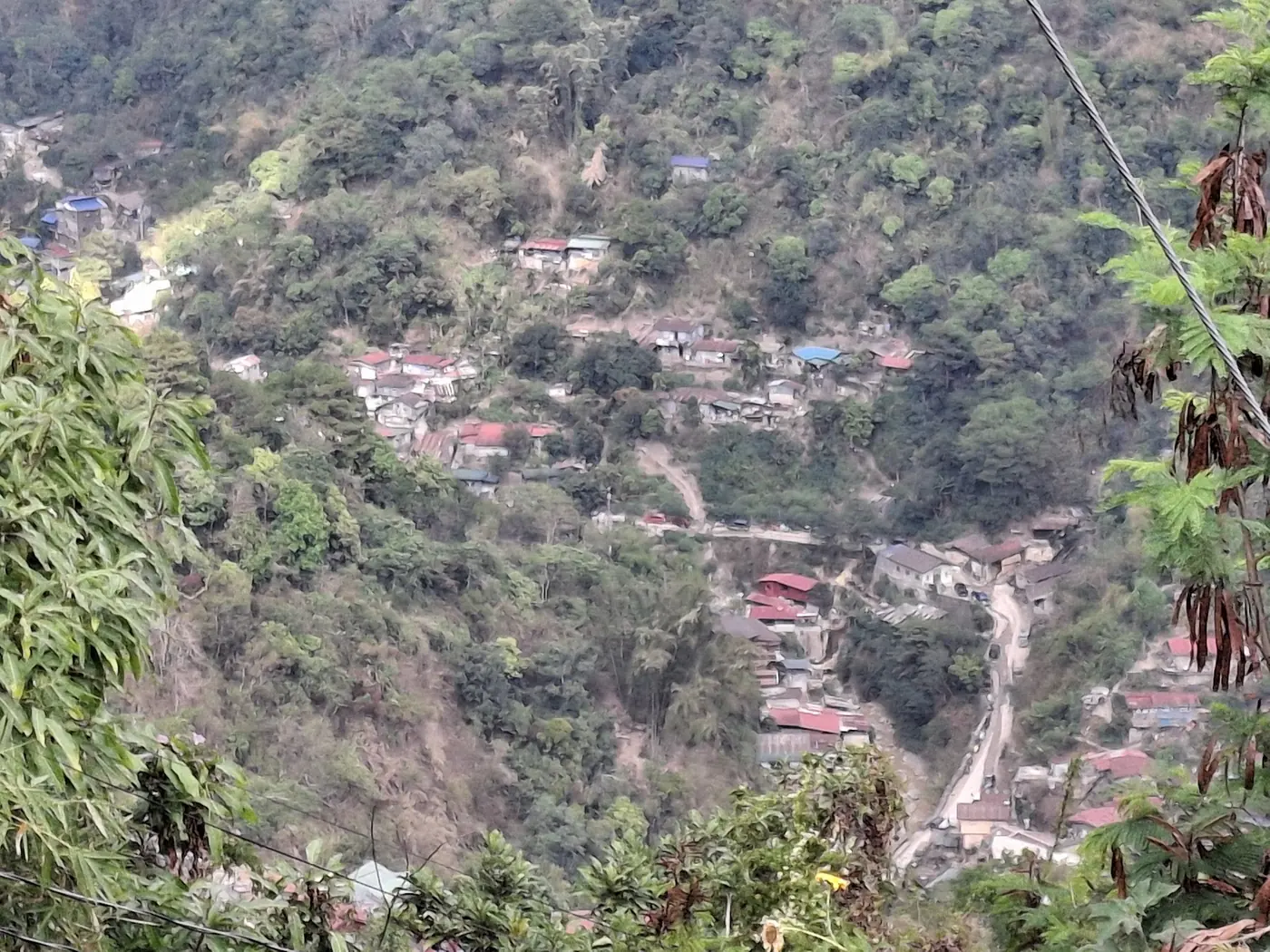
Roughly 15 to 20 million artisanal and small-scale gold miners work in mining operations across Sub-Saharan Africa, South America, and Southeast Asia. They produce about 20% of the world's gold supply and roughly 37% of all global anthropogenic mercury emissions, the largest single source.
The Daily Toll
Tons / Year
Mercury released by artisanal mining, the largest anthropogenic source globally
Miners Exposed
Workers and their families with chronic mercury and heavy-metal exposure
Annual Damage
Estimated economic cost of acid mine drainage worldwide
Three Contamination Pathways
Mining contamination doesn't stay where it's generated. It moves through three pathways, each delivering different toxins to different victims:
- Mercury into the food chain. Mercury used in amalgamation evaporates during gold smelting and settles into rivers, lakes, and oceans. Bacteria convert it to methylmercury, which bioaccumulates in fish. Communities that depend on fish (the cheapest source of protein for hundreds of millions of poor people) concentrate the mercury in their bodies. Pregnant women pass it to fetuses. Children develop neurological damage. This is the same mechanism that produced Minamata disease in Japan in the 1950s.
- Cyanide and acid mine drainage into drinking water. Cyanide leaching, used in larger ASGM operations, occasionally fails and releases toxic concentrations into rivers. More common is acid mine drainage: when sulfide minerals in mine waste contact water and air, they form sulfuric acid that dissolves heavy metals (lead, cadmium, arsenic, copper, manganese) directly into the watershed. Communities downstream drink the result.
- Heavy metals into croplands. Acid mine drainage also irrigates farmland. Lead, cadmium, and arsenic accumulate in staple crops (rice, vegetables, root crops). The farmers eating their own harvests develop chronic kidney disease, cancer, and developmental disabilities. Yields drop. Land becomes unusable for generations.
The Diseases
- Mercury (Minamata disease): Severe neurological damage (loss of motor control, vision and hearing impairment, cognitive deficits), especially severe in children and fetuses.
- Lead: Cognitive deficits in children that persist into adulthood; cardiovascular disease and kidney damage in adults; up to 800 million children worldwide have blood-lead levels above the level of concern (UNICEF and Pure Earth, 2020).
- Cadmium (Itai-Itai disease): Kidney damage, bone weakening, osteoporosis. Chronic, irreversible.
- Arsenic: Skin lesions, lung cancer, bladder cancer, kidney damage, cardiovascular disease, immune impairment.
Stop It at the Source. Treat What Escapes.
Two approaches, deployed together. Proactive work at the mine site changes the chemistry that's used in the first place. Reactive work downstream removes whatever still escapes. Both are necessary; neither is sufficient alone.
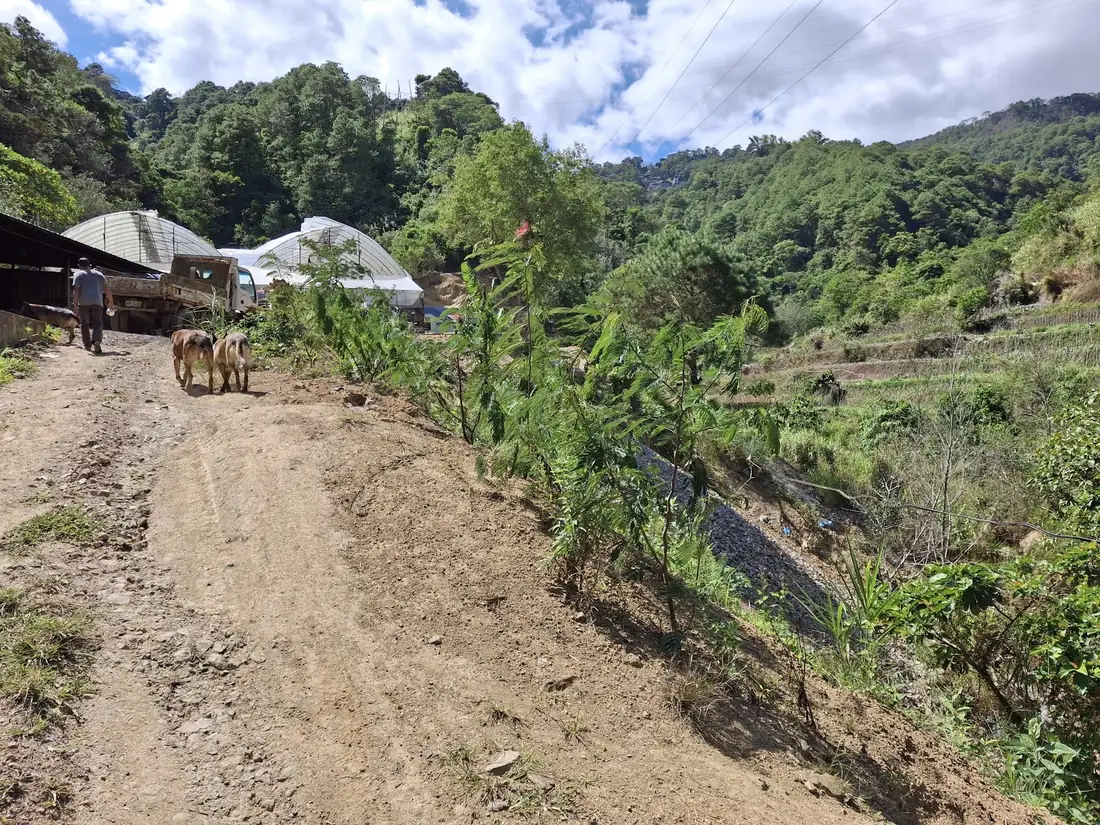
Proactive · At the Mine
Mercury substitution. Convert artisanal miners from mercury amalgamation to gravity-based gold recovery (sluice, pan, centrifuge) plus borax smelting. Better gold yields drive the conversion economically.
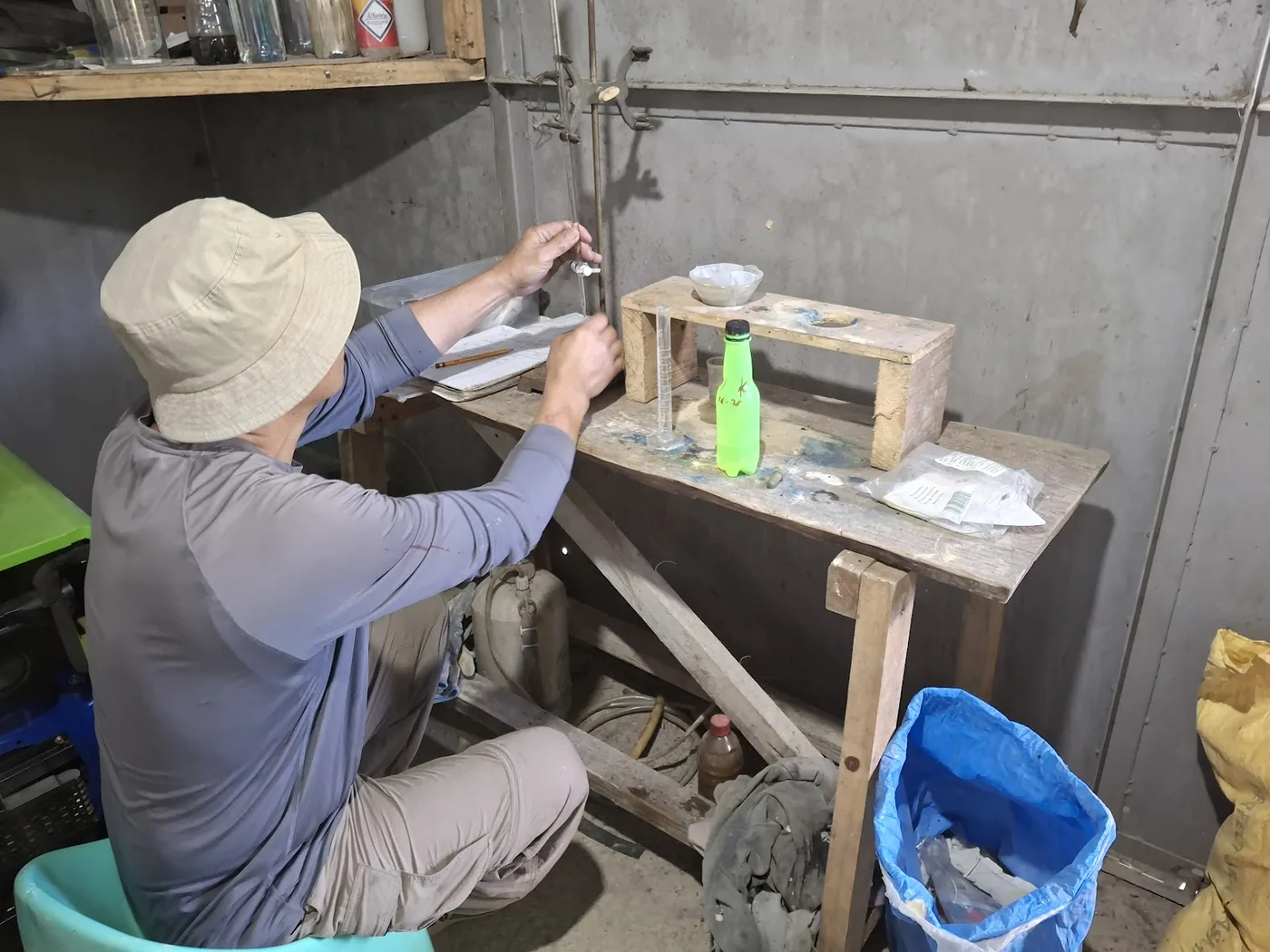
Cyanide-to-thiosulfate conversion. Replace cyanide leaching with a thiosulfate-based process. Our Baguio Gold research is developing a cyanide-free process designed to capture heavy metals and sharply reduce discharge toxicity, with a full-scale pilot side by side with cyanide in early 2027.
AMD prevention basins. Multi-cell phytoremediation and biochar treatment systems that capture acid drainage before it leaves the mine site.
Reactive · At the Community
Drinking water treatment. Coagulation/precipitation systems with ferric chloride remove arsenic and most heavy metals. Activated alumina and ion exchange handle finer filtration where source water is heavily contaminated.
Soil and crop guidance. Identify which fields are still safe, which need amendment, and which should be retired from food production. Train communities on what to grow where.
Health surveillance. Hair and urine testing for mercury and lead at intervals so families can see the effect of intervention on their own bodies.
The Diagnose / Design / Deploy Loop
- Diagnose. Field measurements at the mine site (mercury vapor, cyanide concentration in tailings water, AMD pH and metals profile) and downstream (drinking water heavy metals, fish tissue mercury, soil contamination across cropland).
- Design. Match the proactive intervention to the mining type and the reactive intervention to the contamination profile and community capacity.
- Deploy. Through local NGO partners and community leaders. We provide the training and remote technical support; they own the operation.
Ghana · Filters First, Then Behavior Change
In Ghana's artisanal gold-mining belt, our approach is sequenced. First priority: filters for heavy metals. With our partner Nyankonton Aid Foundation, we are developing filters that communities can make from local materials to reduce mercury, lead, cadmium, and arsenic in the water they drink, so exposure drops while the harder work begins. Second priority: education and mercury-use intervention. We work with communities and legitimate small-scale miners to reduce and ultimately replace mercury at the source, so the contamination stops being generated in the first place.
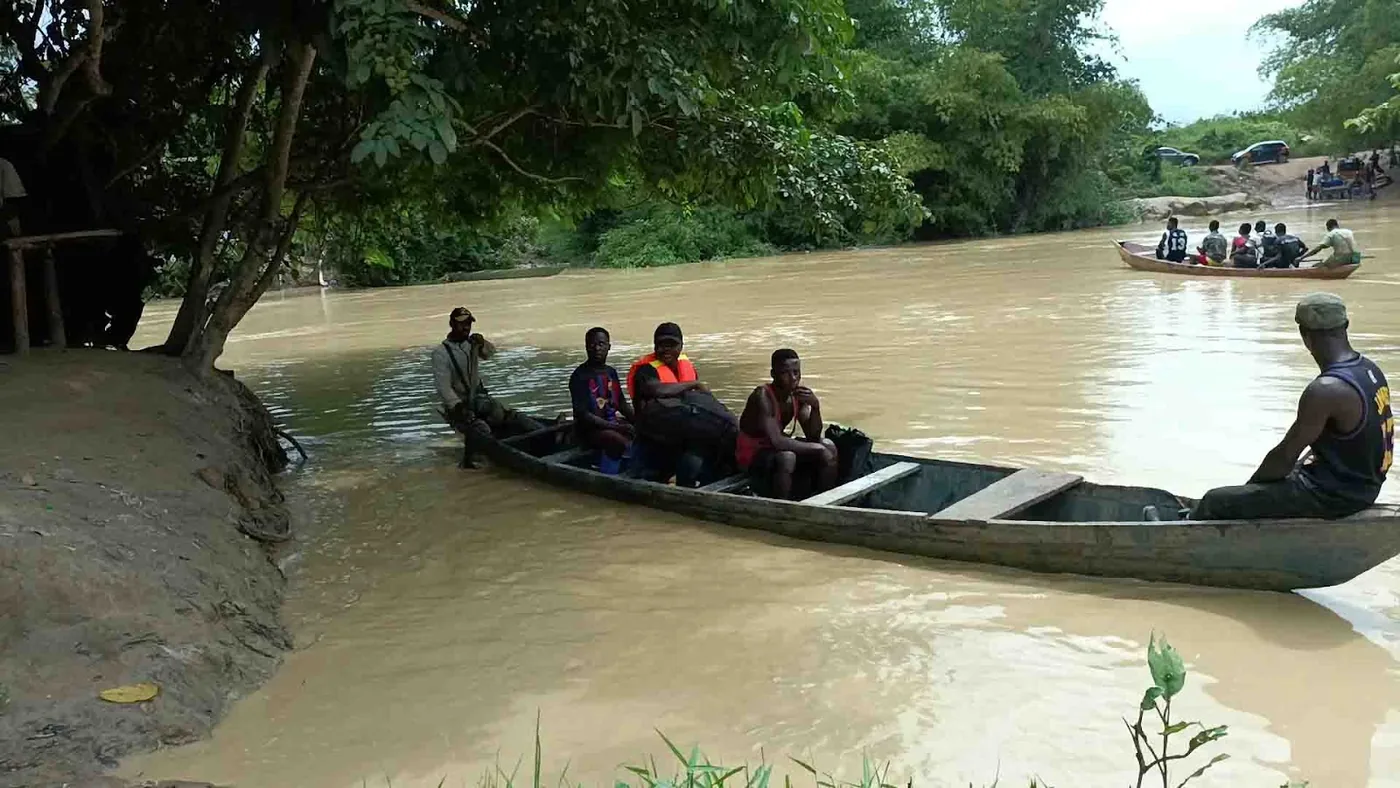
The miners we work with are not adversaries. They are people doing dangerous, low-margin work to feed their families. Show them safer chemistry that recovers more gold per gram of ore, and they will switch voluntarily and durably, faster than regulatory enforcement could achieve.
Treatment Technologies
The technologies below are deployed depending on the mining context: what's being mined, how it's being mined, and what's downstream of the operation.
Source Control: Mining Chemistry
Borax Smelting (Mercury Replacement)
Mechanism: Crushed gold-bearing ore is concentrated by gravity (panning, sluicing, or centrifuge) to a heavy mineral fraction, then melted with borax flux which lowers the melting point and dissolves silicate impurities, leaving pure gold behind.
Trade-offs: Recovers ~80% of fine gold versus mercury amalgamation's 30–40%. Better economics for the miner, no mercury exposure, no environmental release. Requires training and a small initial equipment investment (~$200–500 per mining team).
Thiosulfate Leaching (Cyanide Replacement)
Mechanism: Thiosulfate, a far less dangerous chemical than cyanide, dissolves the gold instead. Our Baguio Gold research has designed a process around it that uses no cyanide and is meant to capture heavy metals rather than discharge them. A full-scale pilot in early 2027 will run it side by side with cyanide.
Trade-offs: Removes cyanide from the process entirely and is designed to precipitate heavy metals so the discharge is far less toxic. Requires trained, careful operation. Best where cyanide is currently in use and a chemistry transition is feasible.
Source Control: AMD Treatment
Multi-Cell Constructed Wetlands
Mechanism: Three-cell passive treatment system. Cell 1: phytoremediation with papyrus, cattails, or vetiver. The plants take up dissolved metals and raise pH through root activity. Cell 2: biochar layer adsorbs remaining heavy metals and organics. Cell 3: sand and clay polishing filter removes residual particulates.
Trade-offs: Low operating cost, no power, locally constructable, 10+ year lifespan. Requires periodic harvesting of plants and biochar replacement. Footprint can be substantial (100–1000 m² per typical artisanal mine).
Anoxic Limestone Drains
Mechanism: Buried bed of crushed limestone that AMD passes through. Limestone dissolves under acidic anoxic conditions, raising pH and causing iron and aluminum to precipitate.
Trade-offs: Cheap and passive. Effective for moderate AMD loads. Plugs over time and needs limestone replacement every 5–15 years.
Reactive: Drinking Water Treatment
Ferric Chloride Coagulation / Precipitation
Mechanism: Ferric chloride forms iron hydroxide flocs that adsorb dissolved arsenic, lead, and other heavy metals. Settling tank or filter removes the flocs.
Trade-offs: Simple and very effective on arsenic. Running cost is under $0.05 per liter in very small systems and under $0.01 per liter at industrial scale, which for 3.8 liters of drinking water a day is up to about $70 per person per year in a very small system. Generates iron-metal sludge that must be disposed of safely.
Ion Exchange Resin Columns
Mechanism: Synthetic resins exchange harmless ions (sodium, hydroxide) for target heavy metal ions in the water. Resins are regenerated periodically with brine or acid.
Trade-offs: Higher capital cost; cleaner output; works at low pollutant concentrations where coagulation is inefficient. Best for community treatment where consistency matters.
Activated Alumina Adsorption
Mechanism: Granular activated alumina adsorbs arsenic and other heavy-metal oxyanions preferentially. Cartridges are replaced periodically.
Trade-offs: Excellent for arsenic at near-neutral pH. Cartridge replacement creates a recurring cost; supply chain reliability matters.
Technoeconomic Analysis
Full cost data, decision logic, and methodology behind our mining-related interventions. This is the section to read if you are evaluating us as a technical partner, comparing remediation strategies, or trying to understand exactly how the cost-effectiveness numbers in the Cost-Benefit Summary section are derived.
Intervention Cost Comparison
| Intervention | Scale | Capital Cost | Lifespan | Annual Capital $/Person | Key Trade-offs |
|---|---|---|---|---|---|
| Borax smelting kit | Mining team | $200 – $500 | 10+ years | $2 – $8 | Higher gold yield, no mercury; requires training |
| Thiosulfate conversion | Small-scale operation | $2K – $10K | Process-life | $5 – $15 | Removes cyanide, precipitates metals; reagent and process control |
| Multi-cell wetland | Community | $3K – $10K | 10–15 years | $3 – $12 | Passive, low O&M; large footprint |
| Anoxic limestone drain | Site | $1K – $5K | 5–15 years | $2 – $7 | Very cheap; periodic limestone replacement |
| Ferric Cl₃ coagulation | Community | $500 – $3K | 10+ years | $1 – $4 | Effective on As; running cost up to ~$70/person/yr in very small systems; sludge disposal |
| Ion exchange columns | Community | $3K – $15K | 5–10 years | $3 – $10 | Consistent output; capital intensive |
| Activated alumina | Community | $1K – $5K | 3–7 years | $3 – $9 | Excellent for As; cartridge supply chain |
Annual capital cost per person spreads the capital cost over the system life and the people served, assuming ~3.8 L per person per day for drinking water treatment; mining-side costs are allocated across the estimated downstream population. Operating costs (chemicals, media, sludge disposal, labor) are extra. For ferric chloride coagulation they are the larger share: under $0.05/L in very small systems (up to ~$70 per person per year) and under $0.01/L at industrial scale.
Decision Logic: Matching Intervention to Context
| Mining Context | Primary Intervention | Rationale |
|---|---|---|
| Artisanal mercury amalgamation | Borax smelting + sluice/pan | Better gold yield is the persuasion; chemistry change captures upside immediately |
| Cyanide leaching at small-scale | Thiosulfate conversion | Removes cyanide from the process; designed to precipitate heavy metals and sharply reduce discharge toxicity |
| Active mine generating AMD | Multi-cell wetland | Passive, durable, suited to artisanal-scale flow rates and community O&M |
| Legacy AMD with low flow | Anoxic limestone drain | Cheap and effective for moderate metal loads; minimal maintenance |
| Downstream community drinking arsenic-laden water | Ferric chloride coagulation | Proven on most mining-derived arsenic profiles; running cost falls sharply at larger scale |
| Mixed heavy-metal contamination, community treatment | Ion exchange or activated alumina | Higher reliability for varied or low-concentration contamination |
The Chemistry Behind the Substitutions
Why Borax Outperforms Mercury
Mercury amalgamation works by forming a gold-mercury alloy (amalgam) that the miner separates from the ore during panning. The process loses gold in two ways: fine gold particles too small to amalgamate efficiently, and mercury that escapes during heating. Total recovery: 30–40%. Borax smelting captures gold by melting the entire heavy-mineral concentrate at lower temperature (borax acts as flux), separating gold from silicates. Total recovery: 80%+. The miner makes more money and stops poisoning the watershed. Once the economic argument is understood, the conversion is permanent.
How Our Thiosulfate Process Replaces Cyanide
Our Baguio Gold research replaces cyanide with a thiosulfate-based process. No cyanide is used, and the design aims for a discharge far less toxic than conventional cyanide leaching: no persistent cyanide salts, and heavy metals captured instead of dispersed into the watershed. The early 2027 pilot will compare it side by side with cyanide at full scale. Operating details stay private until the pilot results are reviewed.
Why Multi-Cell Wetlands Work
Acid mine drainage carries dissolved iron, sulfate, and dozens of trace heavy metals at low pH. The first wetland cell uses plants (papyrus, cattails, vetiver) whose roots release oxygen and exude organic acids that consume free protons, raising pH. As pH rises, dissolved iron precipitates as ferric hydroxide flocs, which physically adsorb arsenic, lead, and other metals. The second cell uses biochar (charcoal made from agricultural waste), which provides a large surface area for additional metal adsorption. The third cell uses sand and clay as a polishing filter, capturing fine particulates. The water that exits is at neutral pH with metals concentrations 95%+ below input. The plants must be harvested periodically (the metals are now in their tissue, not in the water), and the biochar replaced every 5–10 years.