Safe Water for a Hospice in Cerro de Oro, Guatemala
GOLD is building a small hospice on Lake Atitlán. Clean Water Help volunteers are advising on a safe, reliable drinking and medical water system. This report summarizes the challenges, options and plan.
Clean Water Help is a 100% volunteer-run 501(c)(3) nonprofit (EIN 99-0765687). Founders cover all operating costs, so 100% of public donations go to projects. Numbers are current as of September 28, 2026. Photos are shared by partners with permission; names of private individuals are withheld. impact@cleanwaterhelp.org
At a glance
1 Executive summary
GOLD (Gospel of Life Disciples + Dwellings) contacted CWH in May 2025 about water for Morada Apla’s, a hospice for the indigenous community of Cerro de Oro. CWH President Dr. Stephen McCord visited in July 2025 with test kits and prepared a plan.
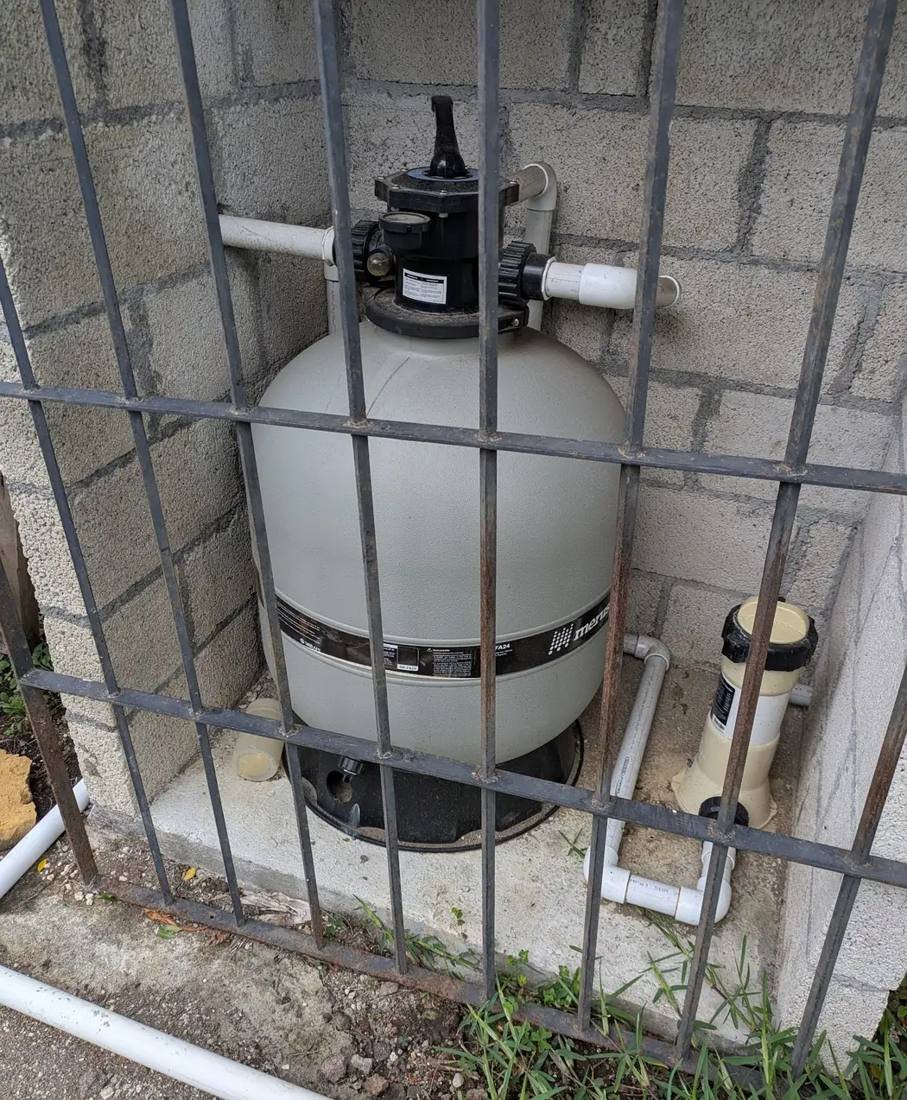
The municipal supply is intermittent, tap water can carry sewage, and the lake region has natural arsenic. Rainwater harvesting was set aside for lack of community support. In 2026, a GOLD donor offered to fund a well; GOLD is gathering bids. CWH recommended fine filtration plus UV and offered to subsidize a two-stage system.
What happens next
- GOLD decides on the well after a second bid.
- Test a nearby well of similar depth for bacteria, arsenic and metals.
- CWH specifies the treatment system and writes a simple operation guide.
- Install and train staff once construction allows.
Key numbers and how solid they are
Each number is labeled by its basis: Measured counted or tested, Reported reported by a partner or a document, Record from our own payments, contracts and correspondence, Estimate a calculation or assumption, Planned a plan or target, not yet done.
| Item | Value | Basis | Source |
|---|---|---|---|
| Hospice capacity | about 10 patients, 5 volunteers | Planned | GOLD |
| Town population | about 9,000 | Reported | GOLD / CWH plan |
| Drinking water need | about 16 gallons a day | Estimate | CWH plan, Aug 2025 |
| New well | Donor-funded; bids in progress | Reported | GOLD, 2026 |
2 Background and progress
The hospice
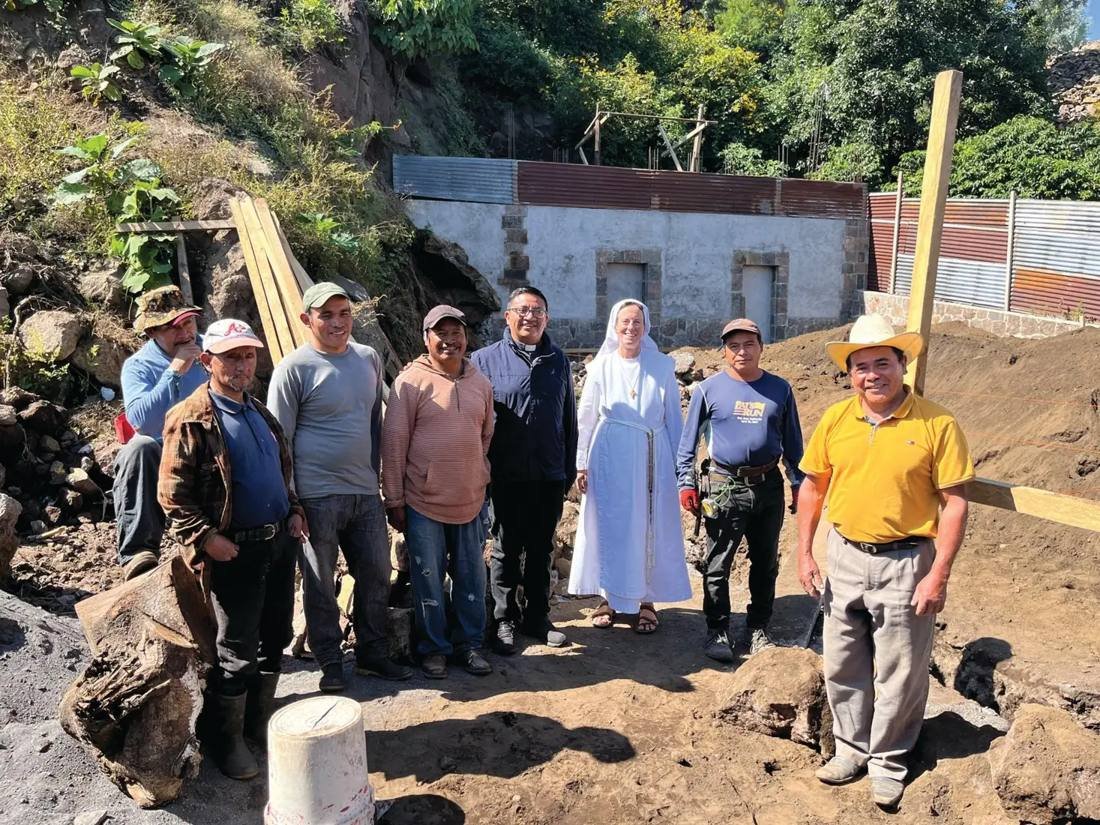
Morada Apla’s is GOLD’s end-of-life care mission for the indigenous community of Cerro de Oro, on the south shore of Lake Atitlán. In early 2026, GOLD renovated a small building beside the parish hall as a health center, and it has received a donated property for a future hospice.
The water situation
Municipal water flows only a few hours a week. In July 2026 the lake pump broke during a dry spell and no water was delivered. Buildings use septic pits, and tap water can smell of sewage. Lake Atitlán’s volcanic setting brings natural arsenic and other metals.
Timeline
- May 12, 2025GOLD contacts CWH.
- Jul 7, 2025Fundraiser and web page launched.
- Jul 25, 2025Site visit by Dr. Stephen McCord.
- Aug 2025Path-to-clean-water plan.
- Jan–Mar 2026Health center renovation; CWH advisory group.
- Apr 21, 2026Rainwater harvesting set aside; backup plan agreed.
- Jul 2026Supply failure; filtration + UV recommended.
- Aug 9, 2026CWH offers to subsidize two-stage disinfection.
- NextWell decision; treatment design.
3 Technical foundation
Treatment options
| Option | Pros | Cons |
|---|---|---|
| 1 micron filter + flow-through UV | Simple; low maintenance | Needs power; no chlorine residual |
| Ultrafiltration + UV into storage | Two strong barriers; stores treated water | Slightly higher cost |
| Chlorination only | Cheap; residual protection | Taste; dosing effort; does not remove arsenic |
None of these remove dissolved arsenic. If well testing finds arsenic above the WHO guideline (10 µg/L), an adsorption step will be added.
Decisions and the options we set aside
| Decision | Options considered | Why |
|---|---|---|
| Source first, then treatment | Design treatment now | The source determines the treatment needed. |
| Two barriers | Single barrier | Patients at the end of life need dependable protection. |
| Set aside rainwater | Rainwater harvesting | No community support for it. |
Risks and how we respond
| Risk | Level | Response |
|---|---|---|
| No reliable source yet | High | Well bids; municipal water with storage as backup. |
| Arsenic in groundwater | Medium | Test before finalizing treatment. |
| Power outages | Medium | Storage and generator options. |
4 What we learned and what is still open
Progress depends on having someone on site. GOLD’s visits drive decisions; CWH’s role is to be ready with answers when they are needed.
Open questions
- Will the second well bid be feasible in rocky ground?
- What is the arsenic level in nearby wells?
5 How you can help
Support the hospice
Gifts pay for testing and the disinfection system.
- Give: gofundme.com/f/clean-water-for-endoflife-hospice-in-rural-guatemala
References and sources
- Clean Water Help. Project Plan: Clean Water for Cerro de Oro, Guatemala (August 2025).
- GOLD. gospeloflifedisciples.org
- World Health Organization. Guidelines for Drinking-water Quality (arsenic 10 µg/L).